

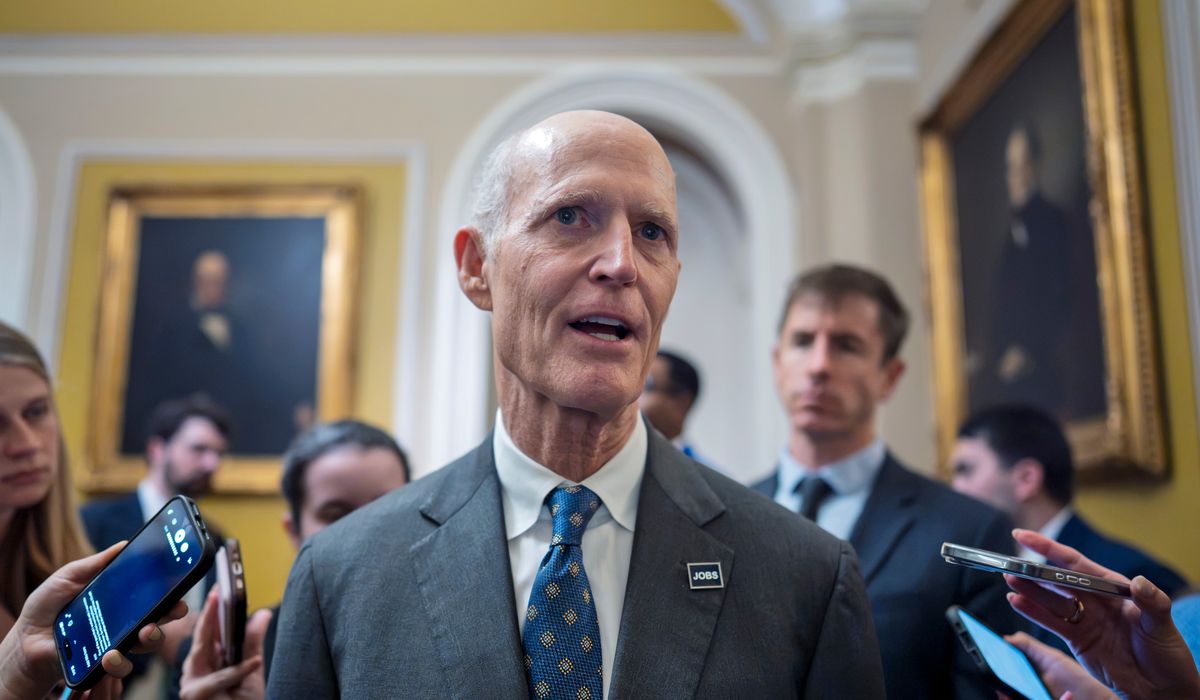
Senate Republicans look positioned to hold the majority and possibly gain seats, and party leaders are sharpening strategy and messaging ahead of a pivotal election cycle.
Senate Republicans are on track to keep their majority and have a good shot at picking up seats, says Sen. Rick Scott. That clear statement sets the tone for a campaign season where confidence matters as much as strategy. Republican operatives are already emphasizing turnout, candidate quality, and sharpening messages that resonate with voters tired of Washington excess.
The map this cycle gives the GOP tangible advantages in states where conservative messages land well with independent and suburban voters. Republican strategists point to a mix of vulnerable Democratic incumbents and open seats where credible GOP contenders can win. Messaging will focus on inflation, border security, and the economy to translate favorable conditions into votes.
Fundraising patterns are another reason for cautious optimism among Republicans. Donors have been responding to a narrative that the Senate balance is within reach and that small investments in key races can yield big returns at the national level. That financial momentum helps recruit candidates and mount competitive ad campaigns in battleground states.
Candidate recruitment has been a priority, with party leaders pushing for pragmatic conservatives who can appeal outside the base. The goal is to avoid nominating unelectable fringe candidates and instead back figures with proven records and strong local ties. When Republicans run disciplined campaigns focused on bread and butter issues, they tend to outperform expectations in swing environments.
Voter fatigue with one-party rule in Washington offers an opening for Republican arguments about accountability and fiscal restraint. The GOP will highlight examples of government overreach and unchecked spending as reasons to restore balance in the Senate. Clear, repeatable messaging about pocketbook issues can sway undecided voters in close races.
Campaign operations matter more than ever, and Republicans are investing in ground game and digital outreach to match Democratic infrastructure in urban centers. Local organizers and volunteers who know their communities remain the backbone of successful turnout efforts. Efficient targeting and get-out-the-vote work in suburban and rural counties could decide multiple seats.
Senate strategy also involves prioritizing races where national resources can tilt the outcome without diluting efforts elsewhere. That means funneling money and attention to a shortlist of winnable contests while trusting local teams to handle the rest. Smart allocation of resources will be a test of party discipline heading into election night.
Messaging discipline will be key; candidates who stick to clear, values-based arguments tend to connect better with undecided voters. Republican campaigns are likely to emphasize practical solutions and contrast them with what they portray as the failures of the current majority. When the message is simple and consistent, it becomes harder for opponents to define the narrative.
Senate leaders are also mindful of the long game, building a bench for future cycles while focusing on immediate pickup opportunities. That balance between short-term wins and long-term viability shapes recruitment, endorsements, and where to deploy big-name surrogates on the trail. The upcoming months will reveal whether the upbeat assessments translate into results at the ballot box.

