

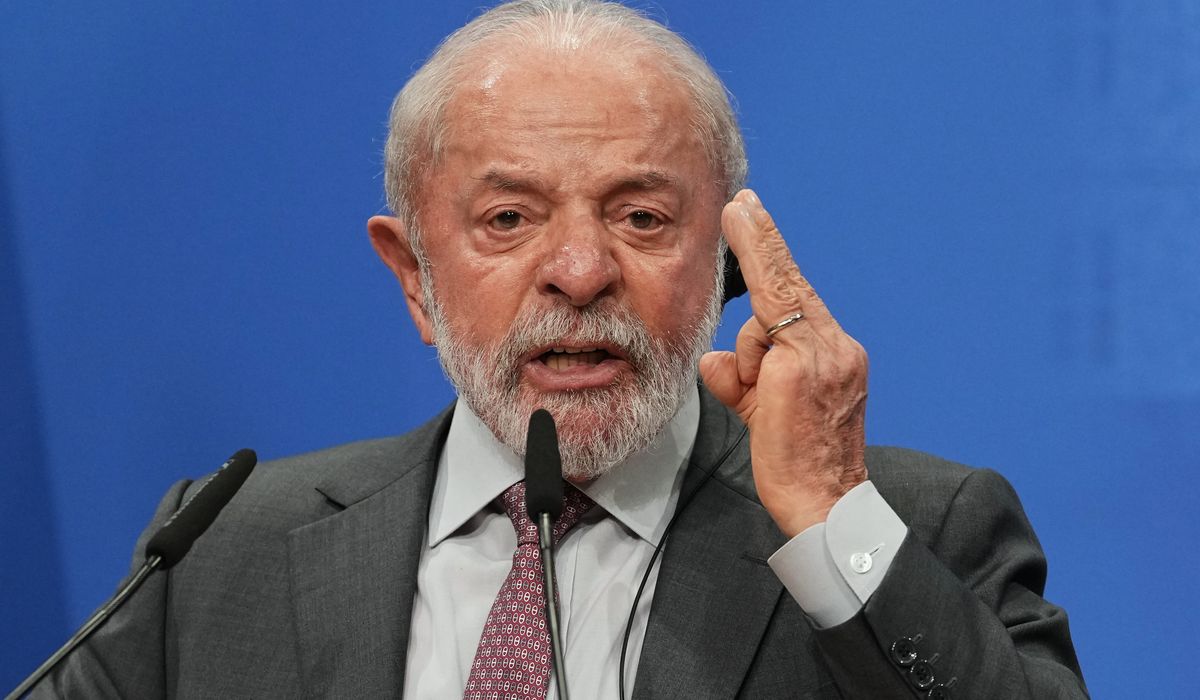
Brazil’s Senate voted down President Luiz Inacio Lula da Silva’s pick for the Supreme Court on Wednesday, an outcome that interrupted a long pattern of confirmations and left a high court seat open amid heated political debate.
The Senate’s decision stunned Brasília and set off intense discussion about the balance of power between the executive and judiciary. Lawmakers who opposed the nomination argued the choice raised questions about judicial independence and whether the court would remain a neutral referee in Brazil’s fraught political battles.
Opponents painted the nomination as part of a broader effort by the president to reshape institutions after his return to office. Critics in and out of the Senate said the pick looked too clearly tied to Lula’s political circle, and that confirmation would risk blurring the lines between partisan politics and the rule of law.
Supporters of the president countered that his right to nominate qualified jurists is a standard presidential power and that the Senate should respect that prerogative. Still, the vote showed enough resistance to block the appointment, signaling a fractured governing coalition and a Senate willing to assert its independence from the executive.
This rejection carries practical consequences: the vacancy remains open, and the court must continue working with the same membership until a successful nominee is chosen. That limbo increases uncertainty for important rulings that could affect elections, corruption probes, and economic policy, which in turn matters to investors watching Brazilian risk signals.
From a conservative perspective, the outcome is a reminder that democratic safeguards exist to slow down any attempt to concentrate power. Lawmakers who voted no framed their move as defending institutional checks and preventing a single branch from stacking the judiciary with political loyalists.
The political fallout will play out in several arenas: behind-the-scenes bargaining in Congress, public messaging from both the president and opposition leaders, and renewed scrutiny of future nominees’ records. Expect heightened vetting and tougher confirmation fights, since senators have signaled they are prepared to resist candidates they see as too partisan.
For the administration, the episode is both a setback and a test of political skill. Lula’s team must now choose whether to propose another candidate who can win over skeptical senators or double down on a pick that pleases the president’s base but risks further rejection and legislative conflict.
Brazil’s democratic institutions are under pressure in more ways than one, and the judicial nomination fight is a flashpoint that reveals deeper disagreements about governance. The Senate’s vote will likely be cited for years by those who worry about judicial independence and by those who say the Senate simply exercised its constitutional role in a polarized era.
What happens next depends on political negotiation and the ability of Brazil’s leaders to find a nominee acceptable to a fractured Congress. The vacancy will remain until a compromise emerges, and the struggle over this seat will shape how Brazilians view the separation of powers for the foreseeable future.

