

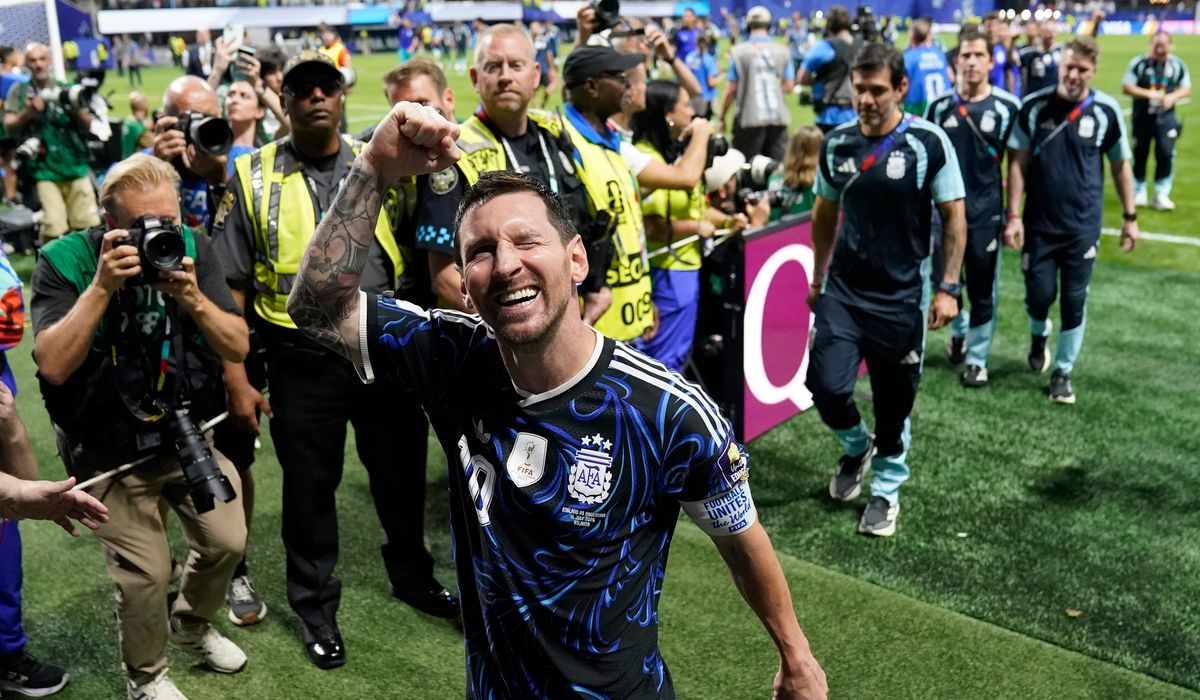
Spain defeated France in one World Cup semifinal on Tuesday, while Argentina, labeled the comeback king of this tournament, rallied to beat England 2-1 in the other semifinal on Wednesday, setting up a final between Spain and Argentina.
Spain’s victory over France on Tuesday felt decisive in moments and tight in others, with the Spanish side showing the balance between composed possession and sharp finishing. France, despite flashes of brilliance, couldn’t find the consistency needed to turn pressure into goals. The result ended a high-stakes clash and confirmed Spain’s place in the final.
Argentina’s semifinal on Wednesday leaned into drama and resilience, as the team that has repeatedly overturned expectations across the competition did it once more to halt England at 2-1. That comeback label is no accident—Argentina kept probing, adjusted under pressure, and found the breakthrough that pushed them through. The win added another chapter to a tournament defined by late twists and unrelenting momentum swings.
These two results carry different textures: Spain looked methodical and steady in their march to the final, while Argentina leaned on character, urgency, and a knack for late answers. Both approaches show why knockout football is as much about temperament as technical skill, and why single-game margins often tell a richer story than the scoreline alone. Fans and neutrals alike will now be left choosing between disciplined control and dramatic resilience in the title game.
For Spain, Tuesday’s success underlines a system that can dominate possession without becoming predictable, and it highlights a spine of players capable of executing tactical plans in high-pressure moments. France posed problems, of course, but Spain’s ability to neutralize key threats at crucial stages made the difference. That clarity of approach and execution has now brought them within one match of lifting the trophy.
Argentina’s path feels different because of momentum: this team repeatedly found ways to respond when it mattered, and Wednesday’s comeback reinforced the idea that they are built to fight until the final whistle. England offered stern opposition, but Argentina’s capacity to sustain belief and pressure eventually paid off. The 2-1 scoreline captures the result but not the psychological lift that comes with overturning a tough contest.
Beyond tactics and outcomes, these semifinals offered a reminder about football’s wider theatre: stadium atmospheres, quick swings in narrative, and the emotional highs that ripple across fanbases and cities. Players who cope best with those variables often become the difference-makers in finals, where one moment can rewrite legacies. Both Spain and Argentina arrive at the last match tested and with stories to tell.
The final test will now be about how each side matches its strengths against the other’s defining traits, and how coaches manage fatigue, form, and the tiny tactical adjustments that matter most at this stage. Whether Spain’s possession choreography can dismantle Argentina’s reactive grit or whether Argentina’s late-game resilience will uproot Spain’s rhythm are the central questions heading into the showpiece. Expect tweaks, careful mind games, and an intensity that only a final can produce.
What stands out from these two semifinals is less the single scoreline and more the contest between different footballing philosophies played out under knockout pressure. Spain’s composed route and Argentina’s comeback route both earned them the right to contest a final, and each team will now prepare with the knowledge that margins will be thin and moments decisive. The upcoming match promises to be a true contrast of style and spirit.

