

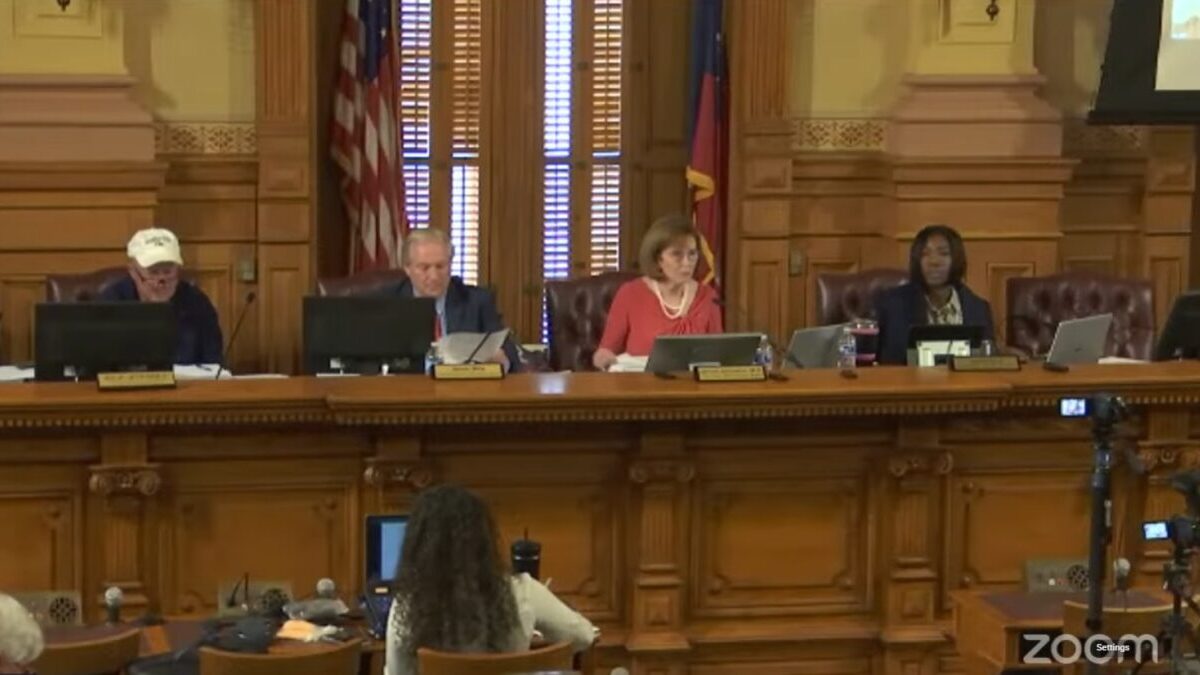
The way Georgia’s state offices handle election law shows a pattern of broken systems that allow rules to be ignored, eroding public trust and producing inconsistent enforcement across agencies.
State agencies are supposed to enforce election laws uniformly, but persistent organizational flaws leave room for selective application. That reality has created repeated instances where the law is treated as optional rather than binding. Voters notice when rules are enforced inconsistently and confidence drops fast.
At the heart of the problem is unclear responsibility. When nobody is directly accountable, mistakes and intentional lapses both slip through the cracks. Fixing that starts with redesigning who does what and making those roles impossible to dodge.
Staffing and training shortages are another big issue. Offices underfunded and understaffed will prioritize short-term fixes over careful, lawful processing. Proper resources change behavior because staff can follow procedure instead of improvising under pressure.
Technology gaps amplify human error and inconsistent policy. Old systems, patchwork databases, and siloed records let discrepancies grow without easy detection. Upgrading tech and standardizing data handling would make enforcement more reliable and transparent.
Transparency itself is a weak spot that invites suspicion. When processes, decisions, and audits are hidden, people assume the worst regardless of intent. Publishing clear timelines and accessible records removes excuses and forces consistent behavior.
Legal consequences matter. If rule violations are met with vague reprimands or internal notes, the deterrent effect disappears. Clear, enforceable penalties for deliberate breaches make it costly to ignore the law and restore a baseline of compliance.
Legislative oversight should be practical, not performative. Committees must ask concrete questions about process and outcomes, and they must demand evidence rather than spin. Real oversight drives better internal controls and produces measurable improvements.
Local control and uniform standards need to be balanced better. Counties and state offices must follow the same core rules while retaining flexibility for unique challenges. A uniform playbook with room for documented exceptions keeps the system fair and predictable.
Independent audits are an essential check on internal dysfunction. External reviews pick up patterns that internal teams miss or hide, and they create records that hold people accountable. Regular, random, and public audits would make it harder to sweep problems under the rug.
Leadership changes often enough to disrupt continuity, but not the accountability structure. New leaders should inherit clear policies, metrics, and a public scorecard so they can be judged on performance immediately. That keeps the agency focused on enforcing the law rather than reshuffling blame.
Electoral integrity depends on predictable, enforceable rules applied the same way everywhere. When state offices build systems that reward consistency and punish willful neglect, the public will see that laws matter again. Restoring faith in the process takes institutional fixes, not talking points.

