

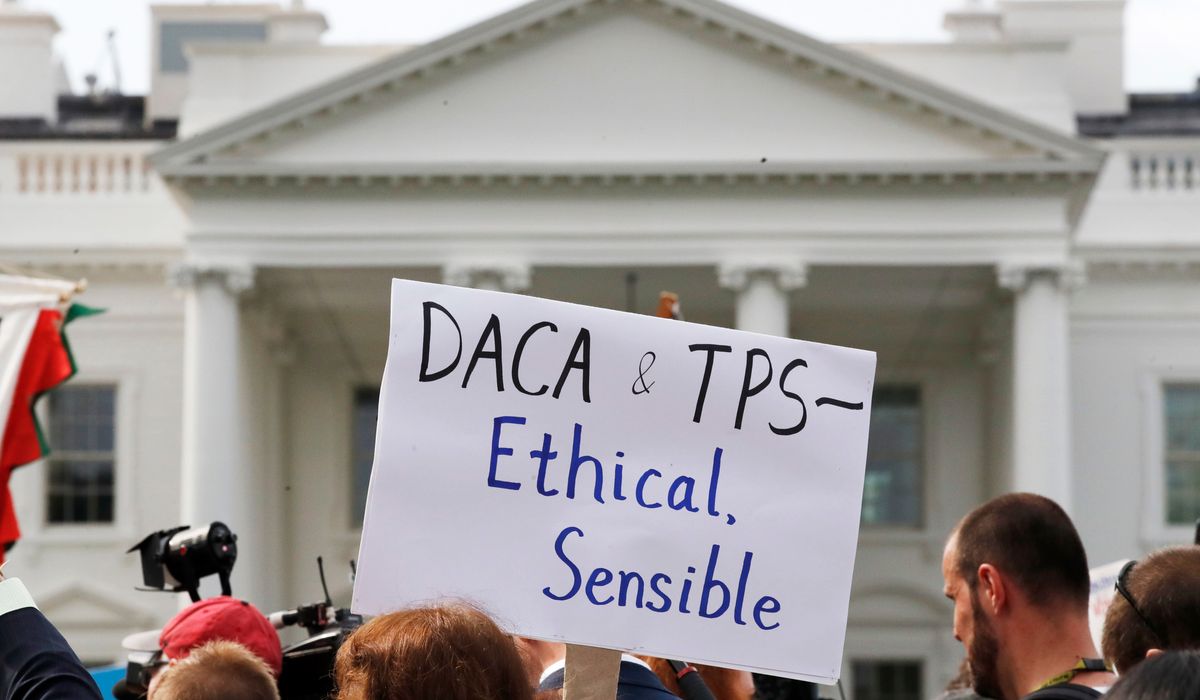
The Supreme Court heard arguments Wednesday on the Trump administration’s move to end legal protections for migrants who fled war and natural disaster, focusing on the limits of executive power and how immigration law is applied.
The court session looked at whether the federal government can rescind Temporary Protected Status and similar protections without fresh congressional authorization. Justices pressed lawyers about statutory text, administrative procedure, and the practical effects on families and communities. The issue sits at the intersection of immigration law and separation of powers, so the outcome could reshape how future administrations act.
Republican concerns on the bench centered on legal clarity and congressional primacy. Conservative justices asked whether agencies were stretching their rulemaking authority or ignoring statutory limits, and they pushed for bright-line rules that curb administrative overreach. That perspective favors returning contested policy choices to Congress so elected lawmakers, not unelected officials, make major changes to immigration status.
Liberal justices emphasized humanitarian consequences and long-term reliance interests. They queried lawyers about what would happen to thousands of people who have lived and worked in the United States for years under these protections. Those questions reflected a concern for stability and the real-world disruption a withdrawal of status might create for communities and employers.
Oral argument delved into precedent and how courts should review agency action. Counsel for the administration defended its authority to terminate protections when conditions in a country change, arguing agencies must have flexibility to respond to shifting facts on the ground. Opponents countered that abrupt rollbacks without clear congressional direction could violate administrative procedure rules and leave vulnerable people in legal limbo.
Justices on both wings probed the administrative record and the process used to end protections. They asked whether the agency adequately considered evidence, whether its explanations were sufficient, and whether affected people had notice and an opportunity to respond. Those questions are familiar from other cases testing executive decision-making and could determine how strictly courts scrutinize such moves in the future.
The dispute also raised practical questions about enforcement and resources. If protections are ended, federal agencies would face a surge of removal proceedings and potential humanitarian crises as people scramble to adjust their status. Republicans on the bench framed the problem as one of legal order and predictability, saying enforcement must follow clear law and that agencies should not substitute policy preferences for statutory mandates.
Lawyers noted the political context but tried to keep the argument focused on statutory language and precedent. They pointed out that Congress created the protection procedures and that any broad reshaping of immigration policy belongs in the legislative branch. That line of argument appeals to conservative judges who prioritize textual limits on executive agencies.
The case could set a precedent for how much leeway future presidents have when changing immigration programs created by past administrations. A ruling that tightens judicial review would constrain agencies and push more decisions back to Congress. Conversely, a decision granting broad deference would allow administrations greater flexibility, but it would also raise concerns about consistency and the potential for abrupt reversals tied to electoral politics.
Court observers noted how the justices balanced legal doctrine with real-world impact in their questioning. Several asked pointed, practical questions about who benefits and who loses when protections are removed, while others circled back to statutory interpretation and precedent. Those trade-offs will likely drive the vote, as the justices weigh the letter of the law against the broader consequences for people and government institutions.
The hearing underscored the broader debate over who should make immigration policy and how stable those policies should be. Republican-leaning voices on the court repeatedly stressed the importance of legal limits on agencies and the need for Congress to set clear rules. The decision, whenever it comes, will ripple through immigration law and influence how future administrations approach protections for people fleeing war and disaster.

