

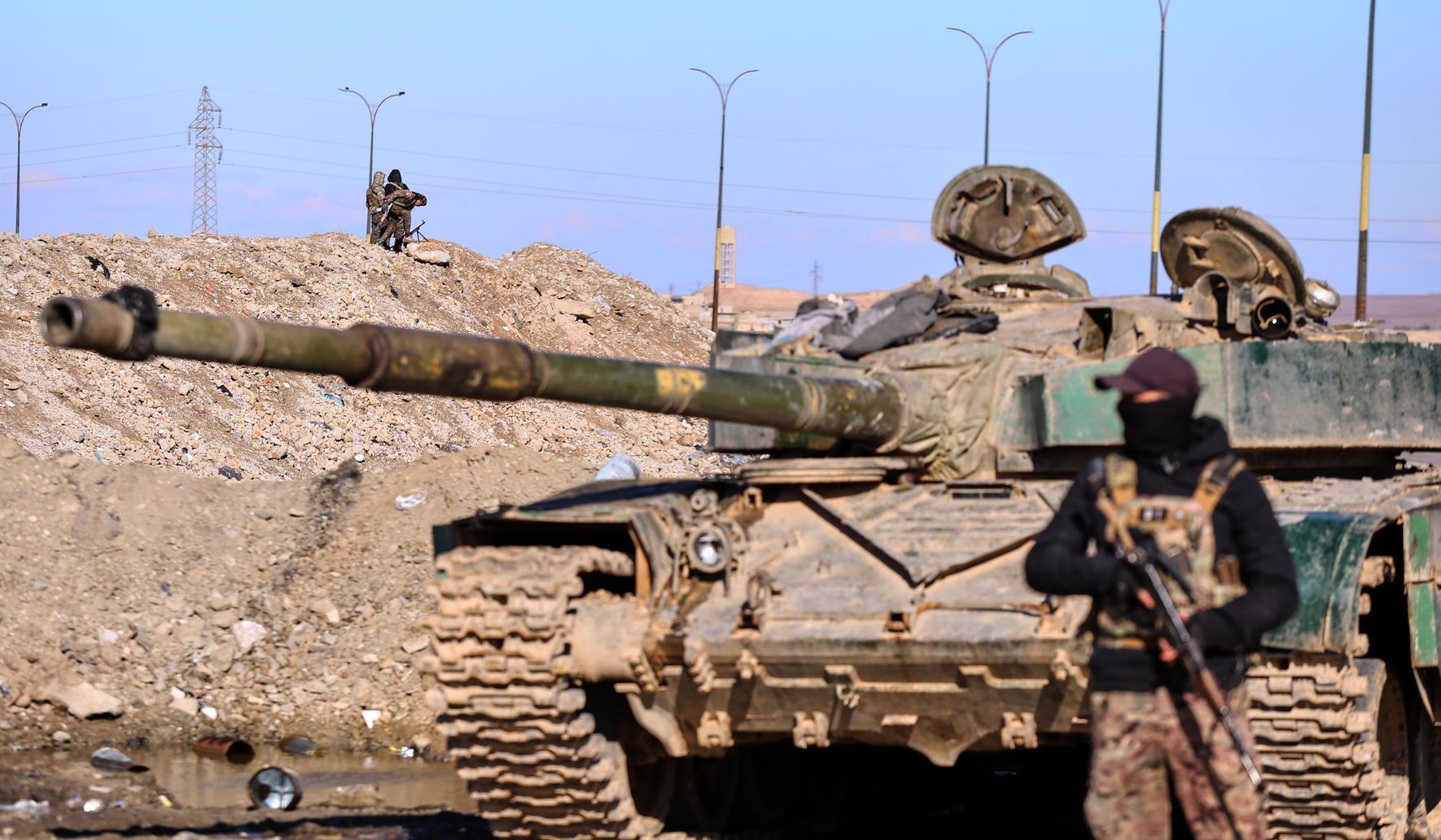
The Syrian military says Kurdish-led forces walked away from a crowded northeast camp tied to Islamic State detainees, raising fresh concerns about security, responsibility, and what happens next in a chaotic region.
The Syrian military claimed Tuesday that guards from the Kurdish-led Syrian Democratic Forces had abandoned a camp in northeast Syria housing thousands of people linked to the Islamic State group, all
Local sources and international observers have reported that the facility held civilians and fighters, many of them from abroad, and that conditions were already fragile before the recent incident. When security at a detention site falters, risks grow fast: escapes, radical regrouping, and humanitarian collapse follow close behind. The situation puts pressure on anyone with influence in the region to act decisively rather than hand-wring.
From a Republican perspective, the episode underlines a broader failure of policy and accountability after years of messy, half-measured interventions. Supporting local militias without clear, enforceable oversight invites instability and leaves American interests exposed. If troops, contractors, or allied forces do not secure detainees, the threat does not evaporate—it migrates, sometimes back to our own neighborhoods.
The Kurdish-led Syrian Democratic Forces have been partners against ISIS, but partnership does not excuse lapses in custody and control. Whether the report of abandonment is fully accurate or politically motivated, the consequences are the same: a camp with thousands of vulnerable, dangerous, and radicalized people becomes a tinderbox. A secure, transparent chain of custody is the only way to reduce the chance of a boss-led resurgence.
Humanitarian concerns are real and immediate, and they need hard answers rather than rhetoric. Women and children in those camps often face dire conditions, and simply relocating them without protection or judicial process compounds suffering. Accountability has to mean both humane treatment and firm security, not one at the expense of the other.
Regional players are watching and acting on their own calculations, which complicates any coherent Western response. Turkey, Russia, Iran, and Damascus each have motives that do not necessarily align with Western security or humanitarian priorities. That fragmented landscape makes it all the more important for U.S. policy to be clear-eyed and enforced, not diffuse or symbolic.
Back home, the debate should focus on practical safeguards: securing detainee populations, tightening oversight of proxy forces, and accelerating repatriation and prosecution of foreign fighters when possible. Leaving citizens of other countries in legal limbo or relying indefinitely on local militias is not a long-term plan. Repatriation and legal processing protect communities and deny ISIS the narrative of persecution it exploits.
Military and intelligence officials should brief Congress and the public on what went wrong and what will be done to prevent repeats. Transparency builds trust, and without it voters and lawmakers are forced to guess about the true risks and costs. Republicans who care about national security should insist on clear metrics and timelines for fixing custody gaps.
Diplomacy must be matched with deterrence: pressure the actors on the ground to secure camps and allow international monitors when appropriate, while reserving the option of direct action if those efforts fail. That balance discourages abandonment and shows that negligence has consequences. The security of the West depends on controlled, accountable processes in troubled zones.

