

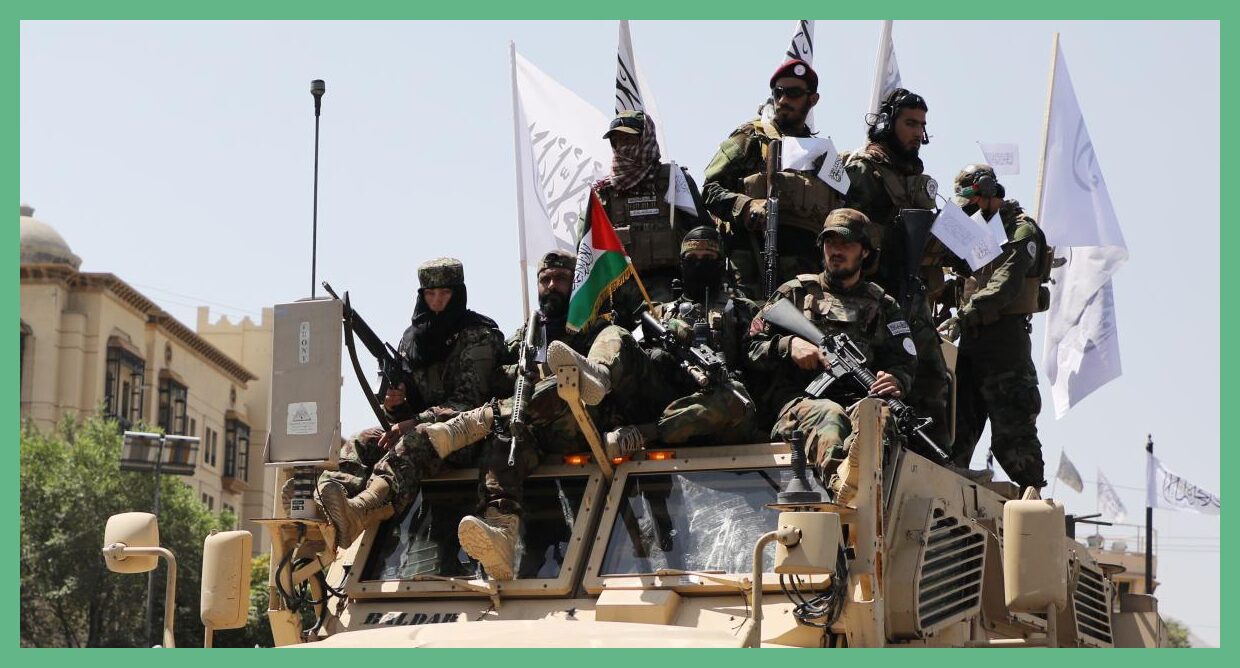
Taliban Shuts Down Internet in Afghanistan as Part of ‘Morality Measures’ Campaign
The Taliban has imposed a nationwide internet blackout that looks less like governance and more like control by fear. This is not a technical glitch or a temporary outage, it is a deliberate policy move tied to the group’s so-called morality campaign. Afghans and the world are watching the freedom of speech and access to information be stripped away in real time.
“Afghanistan is now in the midst of a total internet blackout as Taliban authorities move to implement morality measures, with multiple networks disconnected through the morning in a stepwise manner; telephone services are currently also impacted,” the cybersecurity and internet governance watchdog Netblocks on Monday.
Reports say high-speed links were cut in stages over the past weeks before the blanket shutdown took hold, and slower services have been throttled or disabled entirely. Telecom operators and infrastructure providers can be ordered or pressured to comply, and this appears to have been a coordinated effort. The pattern of stepwise disconnection matches tactics we’ve seen in other authoritarian rollbacks of internet freedom.
A local Taliban spokesperson, Haji Zahid, made the rationale stark and simple when he posted on X that the ban had been ordered by their leader, Haibatullah Akhundzada, “to prevent immoral activities.” That line is chilling because it admits the aim is social control rather than security or technical maintenance. When moral policing becomes a state policy, every private action becomes subject to public punishment.
Broadcasters and mobile users are already feeling the impact, with at least one major television channel reporting disrupted service and mobile internet cut in many areas. Sources within media outlets say mobile connections could return at a crippled 2G speed, which is useless for modern apps, video, and reliable communications. For journalists and activists this is exactly the kind of isolation that makes reporting dangerous and uncertain.
This communications clampdown fits a darker, wider pattern: since returning to power in 2021 the Taliban has steadily tightened restrictions on women and girls, detained journalists, and cracked down on dissent. That crackdown is not random; it is systematic and ideological, backing away from any pretense of inclusion. The internet blackout is simply the next tool in a broader push to control every aspect of Afghan life.
https://x.com/netblocks/status/1972679896729014371
Afghanistan is also deep in a humanitarian crisis at the same time the blackout is happening, which compounds the human cost. Donor governments have cut or rerouted aid, and roughly 1.9 million Afghan refugees expelled from Iran and Pakistan are returning home to a country that can barely absorb them. The nation is still reeling from a recent earthquake that killed thousands, and shutting down digital lines only makes relief and coordination harder.
From a conservative point of view this situation demands clarity: regimes that silence their people and weaponize technology for coercion should not be praised or appeased. The blackout exposes the real character of the Taliban and should stiffen resolve among free nations to push back with targeted pressure. Weakness or indifference only rewards brutality and shrinks the space for people trying to live free lives.
The immediate effects of a blackout are practical and brutal: businesses that rely on the web stop operating, clinics lose telehealth capacity, and students are cut off from distance learning. Aid agencies and local charities lose the tools they need to register and route help, which translates into slower rescues and fewer supplies getting to people in need. Isolation does not keep anyone safer; it makes everyday survival worse for ordinary Afghans.
There is also a clear national security angle that conservative policymakers should not ignore, because cutting communications aids extremist governance. Information blackouts make it easier for militant groups to hide movements, silence opposition, and limit international scrutiny. That raises the stakes for strategic responses that combine sanctions, conditional aid, and diplomatic isolation tied to concrete human rights benchmarks.
Technically, these blackouts are executed through cooperation or coercion of telecom providers and backbone operators, and through blunt force orders to cut capacity. Netblocks and similar monitors can map outages, but mapping does not restore service or protect people. The international community needs to document abuses and act swiftly so enforcing entities face real costs for participating in repression.
American and allied leaders should keep pressure on allies and technology companies to resist being complicit, and expand refugee and humanitarian corridors to help those who can flee. It is not enough to issue statements of concern and move on; policy must translate into safe options for vulnerable Afghans and consequences for those who enforce tyranny. Public attention keeps flashpoints like this from disappearing into bureaucratic silence.
Independent journalists and local activists must be supported with secure tools, emergency funds, and safe channels to get their work out, or else the story simply vanishes from global view. There is moral clarity here that should unite civil society and skeptical conservatives: denying people the means to speak and organize is an assault on basic human dignity. Supporting free people under threat aligns with both principle and strategic American interests.
Expect the Taliban to tinker with partial restorations that leave users stuck on old, crippled networks while surveillance increases. Temporary, low-bandwidth windows will be presented as concessions, but they are control measures in disguise. The only durable outcome that respects Afghans is a reversal of repression, not technical patches that leave power in the hands of authoritarian rulers.
What happens next depends on whether the free world treats this as a moment for real pushback or as yet another foreign problem to be filed away. Afghan lives are on the line, and the internet blackout is a blunt reminder of what is lost when extremist groups govern without checks. Remember the people cut off in the dark when you hear discussions about policy, because the human costs are immediate and severe.

