

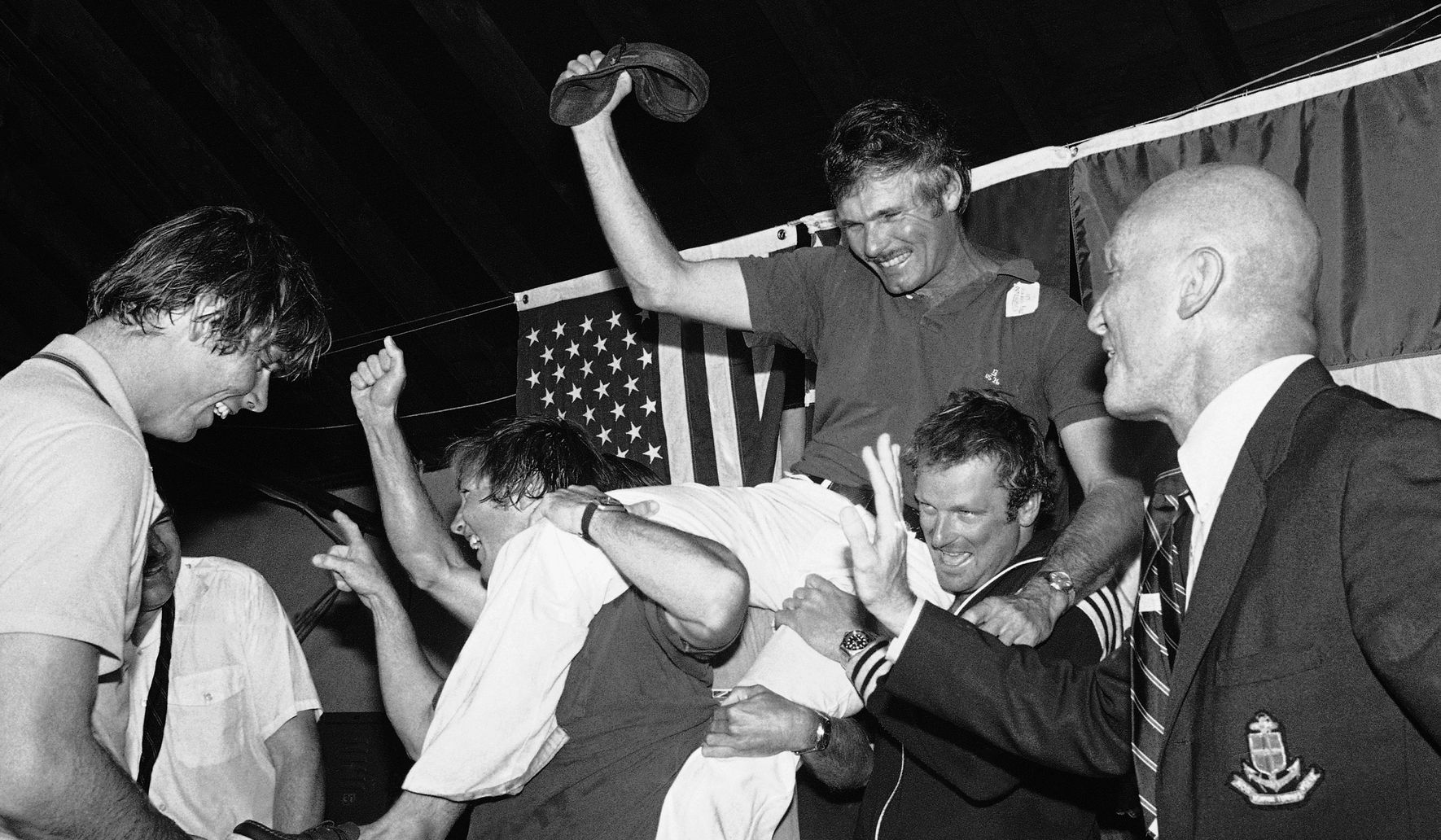
Ted Turner left a mark beyond media: a fierce competitor who chased speed on water and wins on the field, shaping teams and traditions with a blend of showmanship and serious sporting instinct.
Ted Turner built a reputation for mixing bold business moves with a love for competition. He moved through worlds that value risk and reward, from the roar of a crowded ballpark to the hush just before a sailboat tacks. That mix of personality and performance defined how people remembered him across different arenas.
“Ted Turner was a sportsman of all types, a world champion in sailing and a World Series-winning owner in baseball.” That line captures the practical and symbolic reach of his athletic life, linking the trophies to the temperament that chased them. He wasn’t content to watch from the sidelines; he jumped in and tested himself directly against rivals.
In sailing, Turner raced at the highest levels and brought intensity to a sport that rewards precision, patience, and split-second judgment. Those skills translated into a leadership style that prized quick decisions and a willingness to change course when the conditions demanded it. Competitors learned to expect audacity and to respect the competence behind it.
On the baseball side, Turner’s ownership brought both headline-making flair and serious investment in winning. He understood how a franchise connects with a city and used that platform to raise the profile of the teams under his control. Fans remember the energy he injected into the clubhouse and the way he kept the spotlight where it mattered most.
Beyond trophies and headlines, his involvement in sport showed how competition can be an extension of identity. Turner seemed to treat contests as public experiments in strategy and character, a place to test ideas and show resilience. That outlook made him a polarizing figure but also a figure people watched closely for how he handled success and setback.
There’s a practical lesson in his approach for anyone who works with teams or big projects: invest in the people and the culture, and the rest will often follow. Turner’s style was part spectacle and part stewardship, and that combination pushed organizations to perform. He backed coaches, managers, and skippers in ways that signaled he expected results as well as loyalty.
Critics argued his methods could be theatrical or impulsive, and sometimes they were, but that same energy also created momentum. When momentum met discipline, Turner’s ventures reached notable highs. Whether people agreed with his tactics or not, they had to account for the force of his will and the clarity of his aims.
His sports legacy survives in stories, trophies, and the habits he left behind — an appetite for competition, a willingness to spend where it counts, and a belief that taking part at the highest level changes the culture around you. Those are enduring traits that keep his name in conversations about daring leaders who turned personal passion into public success.

