

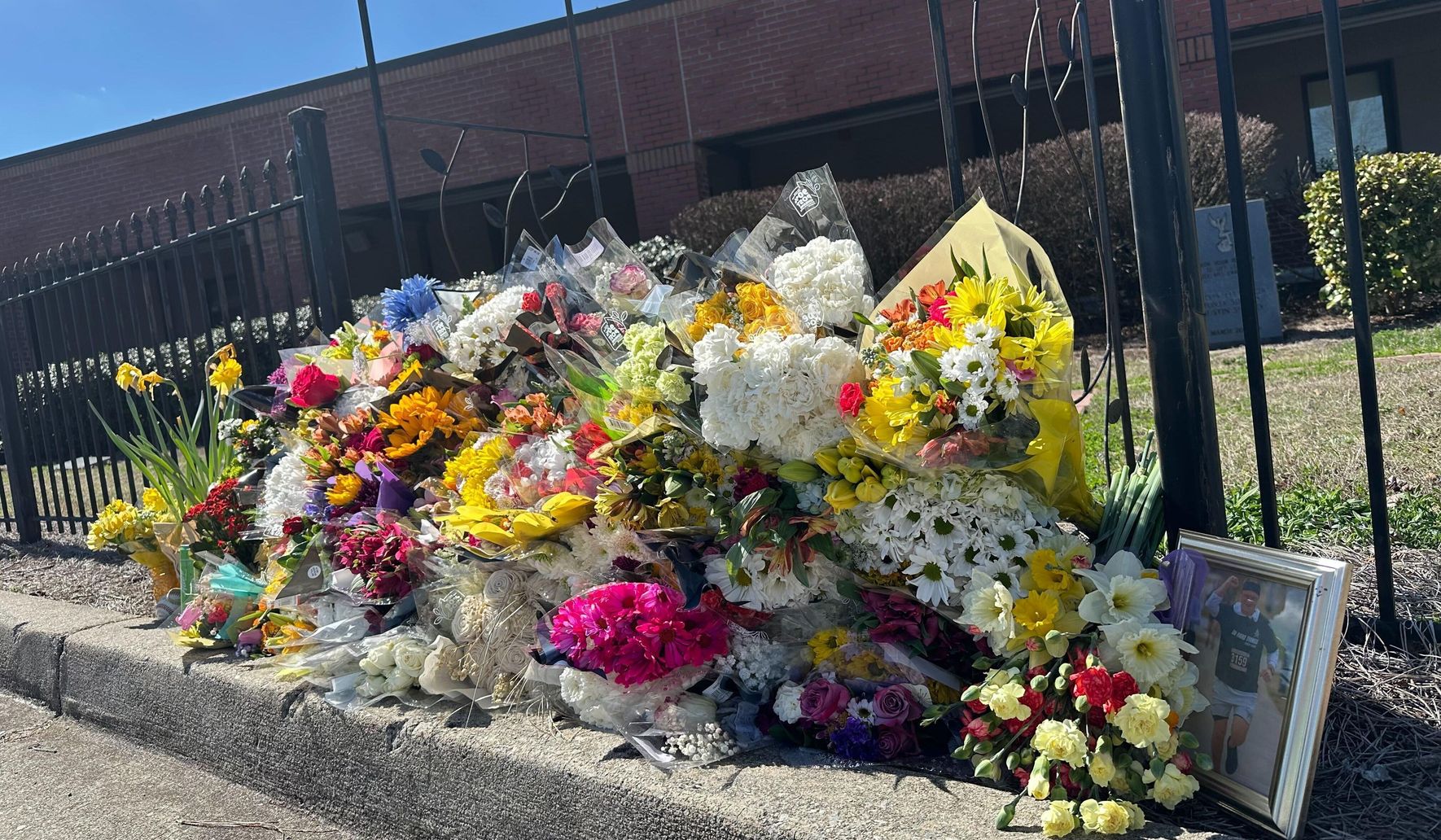
It was a prank that turned deadly, authorities said: a group of teenagers unspooled rolls of toilet paper outside the home of a beloved high school teacher who tripped in the street and was struck, sending a quiet neighborhood into shock and setting off an investigation into how a youthful prank became a fatal accident.
The scene described by authorities began with what some teens call harmless mischief and ended with a life lost and a community scrambling for answers. Neighbors who knew the teacher as warm and involved were left trying to understand why a trivial prank would happen near a private home. The physical sequence of events, as outlined by officials, was brief but catastrophic: the teacher tripped on scattered material, stumbled into the roadway and was struck, leaving little time for rescue or recovery.
Local law enforcement moved quickly to gather statements, check surveillance footage and talk to witnesses, and the school district notified families as details emerged. Investigators say a group of teenagers was involved, and authorities are sorting out who did what and whether charges are appropriate. The fact that students were implicated has amplified the emotional fallout inside the school, where teachers and students are both grieving and trying to make sense of the risks that can come from what starts as a prank.
Parents and school leaders have voiced shock and sorrow as they scramble to support students and staff, setting up counseling and outreach to anyone affected. The loss of someone considered a beloved educator resonates beyond the classroom: people are mourning a person who played a role in daily life, and that grief is compounded by the preventable nature of the accident. Conversations that used to be about harmless overflow of adolescence now center on responsibility, supervision and the ripple effects of a moment’s thoughtlessness.
The incident raises painful questions about the culture around adolescent pranks and dares, especially when social media and peer pressure elevate the urge to perform for an audience. Experts often warn that stunts staged on sidewalks, lawns or roadsides can quickly cross a line from funny to dangerous, and this case is a stark illustration of that risk. Community leaders are emphasizing that intent matters but outcome matters more, and that the severity of consequences can far outweigh any initial joke.
On the legal front, juvenile justice officials typically weigh intent, age and the circumstances when deciding whether to file charges, and that process can take time as police compile evidence. Families of minors face tough decisions about cooperation, potential discipline and the long-term ramifications for their children if charges are brought. At the same time, civil questions about liability and restitution sometimes arise after fatal accidents, creating additional layers of legal complexity for everyone involved.
Schools across the area are reviewing policies about student conduct off campus and the kinds of prevention education that might reduce risky behavior. Administrators are reminding students that actions taken outside school property can still carry severe consequences inside school walls, including suspension or expulsion, and they are expanding outreach to encourage responsible choices. Counselors are also working with teachers and students to process grief and to offer practical guidance on how to avoid situations that could endanger bystanders.
Beyond policy and punishment, neighbors and friends are searching for ways to restore a sense of safety and to honor the person who died without turning the moment into a spectacle. Vigils and quiet gatherings often follow such losses, and many community members say they want practical steps: better lighting, clearer community rules, and more adult supervision at times when students tend to act out. Authorities continue their investigation, and the community insists on accountability while trying to support the many people left dealing with the aftermath of a prank that had deadly consequences.

