

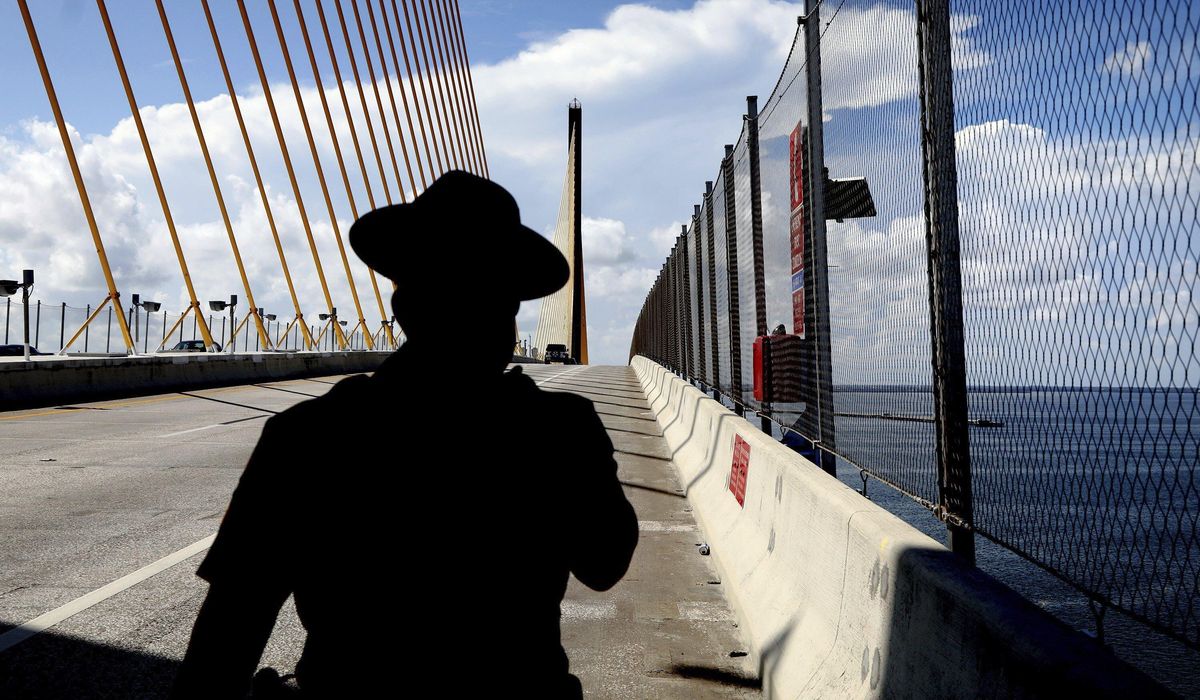
Florida Highway Patrol joined five federal, state and local agencies for a three-day immigration enforcement operation on South Florida highways that resulted in 249 arrests, demonstrating coordinated effort and a focus on public safety.
Florida Highway Patrol teamed up with five federal, state and local agencies this month for a three-day immigration enforcement operation along South Florida highways that resulted in 249 arrests. The coordinated campaign used traffic stops and targeted patrols across major corridors to disrupt unlawful movement and locate people with outstanding issues. Officials described the effort as a direct response to ongoing concerns about illegal crossings, repeat entries, and criminal activity tied to border enforcement gaps.
The operation unfolded over consecutive days with teams moving through busy highway stretches where smuggling and unauthorized travel are commonly detected. Troopers made vehicle stops based on probable cause and suspicious activity, then checked immigration status and outstanding warrants. When violations were identified, individuals were detained and handed over to the appropriate federal or local authorities for processing.
Local leaders praised the interagency approach for multiplying resources and covering more ground than any single agency could on its own. Coordination allowed quick information sharing and faster identification of patterns, such as repeat border crossers or suspected smuggling routes. That kind of teamwork matters when the goal is to restore order and deter those who exploit weak enforcement.
Public safety was a repeated theme from law enforcement sources who stressed that these actions are about keeping communities safe, not about politics. Officers said many of the arrests involved people who had either re-entered unlawfully or carried other legal baggage that made them threats to public order. The operation sent a clear message: when local, state, and federal agencies work together, enforcement is more effective.
Republican leaders and law-and-order advocates used the arrests as evidence that stricter enforcement is both possible and necessary. They argued the operation proved how predictable tactics and resource sharing can cut into the criminal networks that profit from illegal movement. The messaging leaned on a simple point: secure borders and enforced laws reduce crime and protect citizens.
Not everyone will applaud the tactics, and civil liberties groups often raise concerns about profiling, due process, and the conditions in which detainees are held. Law enforcement officials said they followed legal procedures during stops and detentions, and that anyone with lawful status was treated accordingly. Still, the tension between vigorous enforcement and civil rights protections remains part of the public debate.
Logistical challenges were also raised during and after the operation, including custody capacity and how to handle cases once suspects are turned over to federal immigration authorities. Officials acknowledged the strain that high-volume operations can place on detention and processing systems, but argued that the alternative—unchecked illegal movement—creates longer-term issues for communities. The joint operation aimed to balance immediate enforcement with efficient handoff to appropriate agencies.
Data from the three-day sweep will be used to plan follow-up patrols and intelligence-driven operations that focus on persistent problem areas. Agencies said they will analyze the arrests and stops to spot trends and close gaps in enforcement coverage. The goal is to turn a short, intensive campaign into longer-term reduction in illegal crossings and related criminal activity.
For residents who feel vulnerable when enforcement appears lax, the 249 arrests were a visible action showing consequences for illegal behavior. Lawmakers and enforcement officials framed the results as a necessary step toward restoring order and discouraging repeat offenses. The operation underlines a basic law-and-order tenet favored by many conservatives: enforce the laws on the books, and communities are safer for it.

