

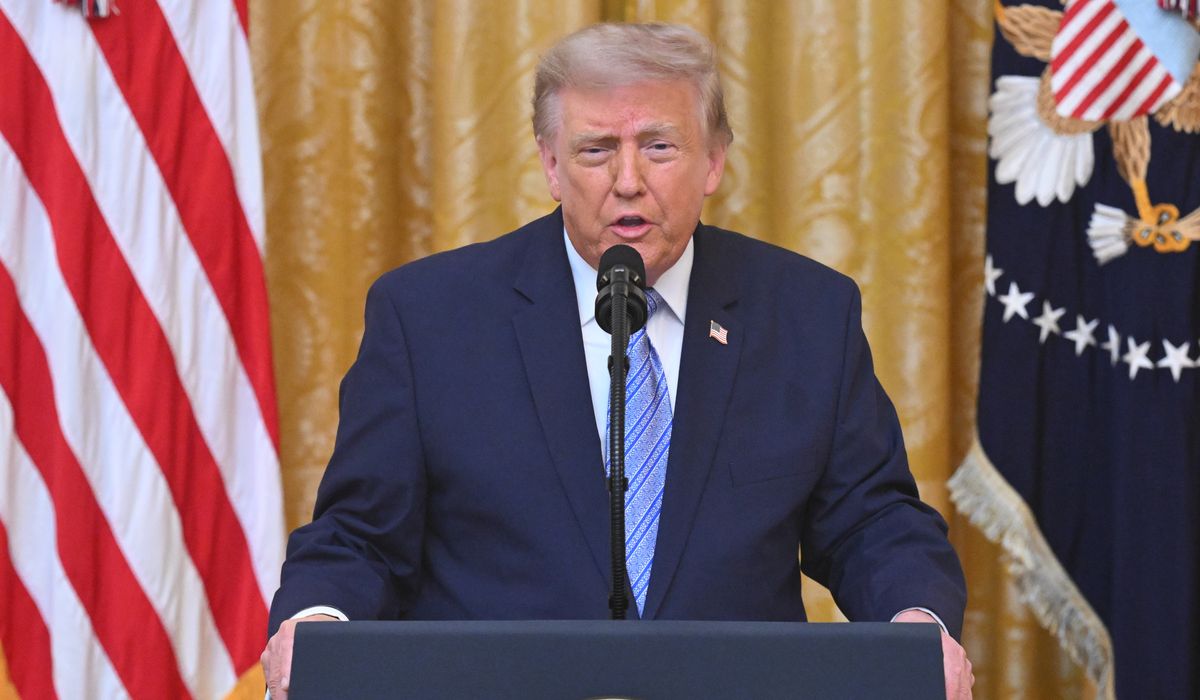
President Trump said Thursday that he has declassified documents that expose ‘shocking’ vulnerabilities in America’s election system.
The president’s move to declassify is being framed as a transparency step by his allies and a necessary push to force action on election security. From a Republican perspective, the worry has long been that bureaucrats and partisan officials have allowed weak practices to persist. Releasing these papers is meant to shift the debate from accusations to evidence, making the issues harder to ignore.
Republicans argue the documents could show how failures at multiple levels created weak spots that undermine confidence in outcomes. Those vulnerable points could range from inconsistent chain-of-custody rules to software and network exposure that invite interference. The core argument is simple: if you want secure elections, you need clear facts and accountability instead of secrecy and delay.
Critics in other quarters warn about national security risks from publicizing classified material, but the GOP view here stresses that the electorate’s trust matters too. The claim is that selectively withheld information has protected status quo actors more than it has protected voters. For many conservatives, transparency is the fastest route to fixing problems without undermining the system itself.
Republican officials are framing the declassification as an opening salvo for targeted reforms rather than a broad indictment of state-run processes. They want federal standards tightened where state practices leave dangerous gaps, while still preserving state control over administration. The tone from the right is practical: identify the risks, then build clear, enforceable rules to eliminate them.
Part of the conversation centers on technology: voting machines, election management software, and the networks that support them are frequent targets in security reviews. The concern voiced by Republicans is that procurement and oversight have lagged behind the threats, leaving equipment in the field that is outdated or poorly audited. Bringing documentation into the public square is intended to push vendors and officials toward better practices.
Another focus is procedural consistency, especially around mail-in ballots, chain of custody, and recount protocols, which Republicans say vary wildly across jurisdictions. The argument is that inconsistent practices create confusion and invite litigation that damages confidence. Evidence, they argue, will make it easier to craft straightforward federal guardrails that respect states while ensuring basic uniformity.
There is also a political dimension: GOP leaders see the release as a way to prove they are taking election integrity seriously without resorting to conspiratorial claims. By putting concrete documents on the table, the party aims to change the narrative from distrust to reform-oriented oversight. That strategy hopes to win back voters who want secure, verifiable elections above partisan theatrics.
Legal and procedural questions will follow the disclosure, and Republicans expect those debates to play out in courts and legislatures. The party will likely press for hearings and audits that use the documents as a starting point for evidence-based remedies. The central pitch is accountability: show the gaps, fix the rules, and move forward with stronger safeguards in place.
Whatever the content of the declassified papers, the Republican stance is clear: exposing vulnerabilities is a first step toward repairing them. The emphasis remains on practical fixes, rooted in documentation and oversight, rather than on rhetoric alone. For conservatives who prioritize secure elections, facts should drive the next round of policy and enforcement discussions.

