

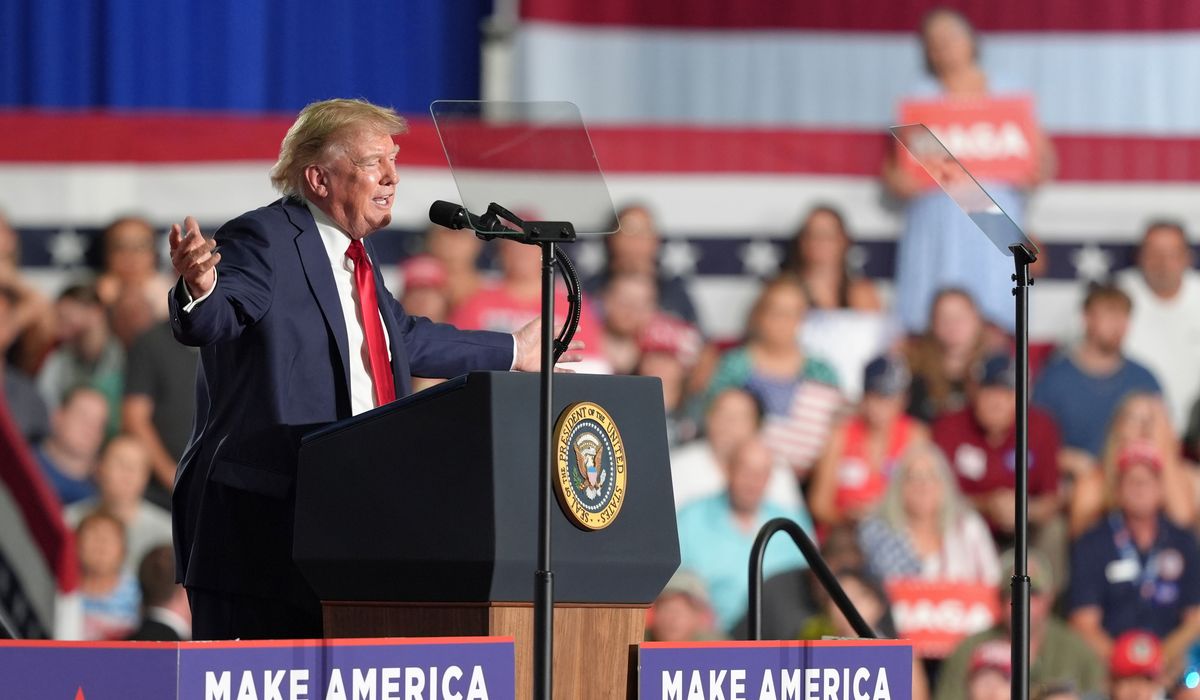
President Trump traveled to deep-red South Carolina to make the case for Sen. Darline Graham, saying that electing her to the Senate is critical to stopping Democrats’ progressive agenda.
Trump’s appearance in South Carolina was unmistakable and unapologetic, aimed squarely at rallying conservative voters behind Sen. Darline Graham. He leaned into the argument that this race matters beyond state lines and that the Senate balance hinges on candidates who will block liberal priorities. The tone was direct and meant to energize the base heading into the next round of contests.
Local Republican activists welcomed the visit as a political shot in the arm, noting the boost in donations and volunteer sign-ups after the event. Grassroots organizers said the rally translated into door knocks and phone calls the very next day, giving the campaign fresh momentum. Momentum is a currency in close races, and the campaign’s operations leaned hard into it.
Graham’s pitch to voters focused on conservative priorities: economic growth, secure borders, and preserving cultural norms. She framed her candidacy as a firewall against policies she described as costly and out of step with the state’s voters. That simple, focused messaging is intended to cut through noisy media cycles and keep attention on issues that matter to everyday voters.
Trump’s endorsement adds more than celebrity; it brings fundraising muscle and national attention that can change the math in competitive primaries. Donors who might have been undecided saw the endorsement as a signal to back the candidate who can best protect conservative principles. Campaign strategists on both sides noted that the endorsement forces opponents to respond or risk ceding the narrative.
Voters in deep-red districts tend to prioritize tangible concerns like jobs, inflation, and public safety, and campaign speeches reflected that reality. The messaging emphasized practical solutions rather than abstract ideals, highlighting tax relief and regulatory rollbacks as immediate gains. For many voters, those concrete promises carry more weight than long policy essays.
The contrast with Democratic opponents was sharp and framed as a choice between stability and sweeping change. Republican speakers described the Democrats’ proposals as ambitious experiments that would expand government power and spending. That framing is familiar to conservative audiences and often effective in rallying skeptical independents.
Turnout strategy was a major theme behind the scenes: rally energy must translate into ballots, and volunteers were tasked with converting enthusiasm into votes. Campaigns deployed targeted outreach in suburbs and rural counties where margins can swing a race. Those ground-game details determine outcomes in tight contests more reliably than headlines do.
Senate arithmetic was a constant undercurrent in speeches, with every contested seat presented as pivotal for blocking major legislative shifts. Supporters argued that the Senate is the last line of defense against policies they see as radical and reckless. That makes turnout in off-year and primary contests especially important for national policy direction.
Politically engaged voters in the state reacted with a mix of excitement and scrutiny, wanting to see concrete plans beyond endorsements. They asked for clear positions on border security, energy independence, and judge confirmations, testing candidates on specifics rather than slogans. Campaigns that can answer those questions crisply tend to hold attention and build lasting coalitions.
Republican operatives watched polling and fundraising closely after the trip, treating the visit as both a signal and a stress test for the campaign’s appeal. While rallies boost headlines, the real work happens in persuading undecided voters and ensuring reliable supporters cast ballots. In the weeks ahead, campaign calendars will fill with town halls, targeted mail, and neighborhood outreach to convert momentum into votes.

