

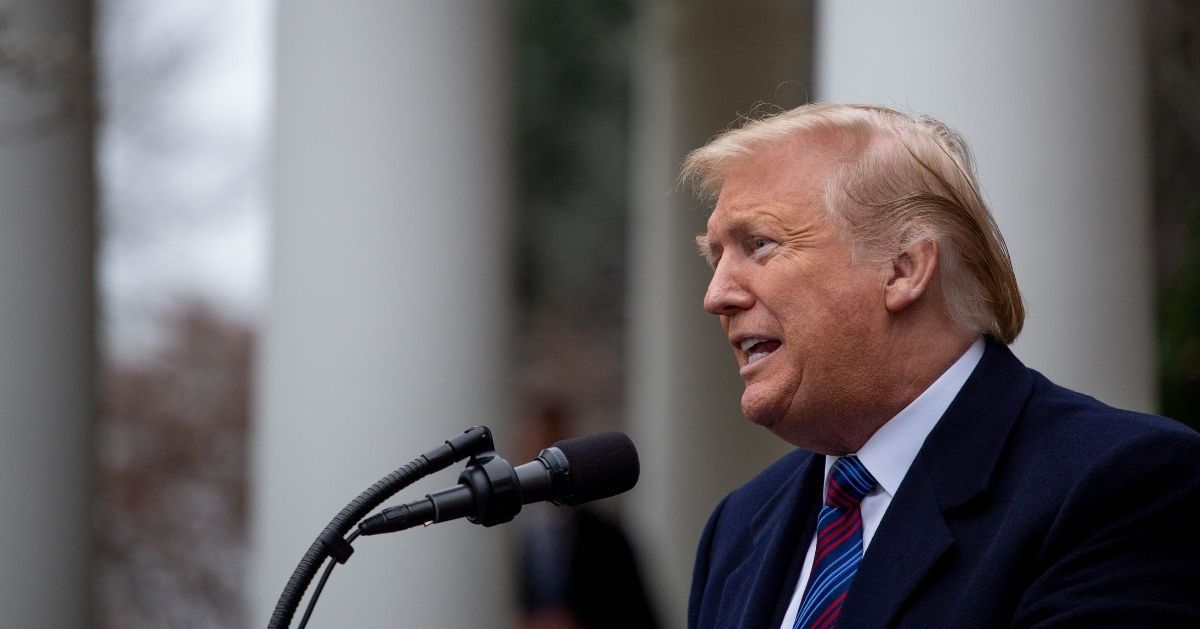
President Donald Trump is pouring resources into New Jersey and Virginia to help Republicans win key off-year contests, deploying money and high-profile appearances to energize voters. His team has tapped a large war chest for targeted get-out-the-vote efforts while he continues to stump for the ticket. Democrats have put big names on the trail too, including former President Barack Obama, making this a high-stakes, high-profile fight that both sides believe they can win.
President Donald Trump is doing what he can to make sure that Republicans come out on top in the upcoming elections in New Jersey and Virginia. He’s not treating these races as afterthoughts; they’re being approached as tests of momentum and organizing power. The campaign’s focus is on turnout and precise targeting, not just headlines.
Reports say Trump has made a “multimillion-dollar investment” in the statewide elections, signaling that national resources are backing local efforts. That money is meant to fuel microtargeting and get-out-the-vote work where margins can be tight. This kind of spending is a recognition that off-year contests can shape narratives and future fundraising capacity.
That’s not to mention other money that Trump put into the races – on top of the fact that Trump has campaigned for Republican candidates in both states.
The campaign has also tapped into the president’s centralized war chest to move funds quickly to where they’ll matter. Fox News reports that Trump has given Republican candidates over $1 million from his “war chest.” That cash isn’t symbolic; it’s directed at targeted voter contact and persuasion ahead of the ballots.
Trump’s political team is making a withdrawal from the president’s massive political war chest, with New Jersey and Virginia each receiving roughly $1 million for get-out-the-vote microtargeting efforts, Fox News confirmed this weekend.
Beyond the checks, Trump has shown up in person to lift candidates and rally the base. He and allied leaders are headlining events designed to convert enthusiasm into votes and local volunteer energy. Personal appearances matter in tight races where enthusiasm and organization decide outcomes.
President Donald Trump and Gov. Glenn Youngkin headlined a Thursday tele-rally for the entire Virginia Republican ticket, as the commander-in-chief has yet to formally endorse Lt. Gov. Winsome Earle-Sears’ gubernatorial bid.
On the other side, Democrats have roped in top-tier names to try to blunt the GOP push and motivate their voters. High-profile Democrats, such as former President Barack Obama, are trying to make their own impact on the outcome of these races. Party leaders view face time from national figures as a route to turnout in states where local dynamics are shifting.
Former President Obama is hitting the campaign trail this weekend to try to boost his party in off-year elections. Getting Obama, the party’s biggest star, on the road is an effort to ensure voters get to the polls, though there are questions about whether the former president still has the kind of standing to make a mark with voters in getting them out to vote.
Obama has also taken his message online to reach voters where they engage most, offering endorsements and urging action from afar. In one recent message, he wrote:
At a time when our politics feels broken, we need leaders like @MikieSherrill for Governor. Mikie will work to create jobs, lower costs, and do what’s right for the people of New Jersey.
At a time when our politics feels broken, we need leaders like @MikieSherrill for Governor. Mikie will work to create jobs, lower costs, and do what’s right for the people of New Jersey.
Both parties are treating these off-year races as more than isolated contests; they’re testing grounds for messaging, data, and how national figures influence local outcomes. Republicans see an opening that can be seized with focused spending and strong turnout plans. Democrats are banking on big names and their own organizing to hold the line.
What happens in New Jersey and Virginia will shape narratives heading into future cycles and give each side lessons on what works. Expect the closing days to be intense, with organizers on both sides pushing hard in targeted neighborhoods and media markets. The results will matter well beyond the polling places on election day.

