

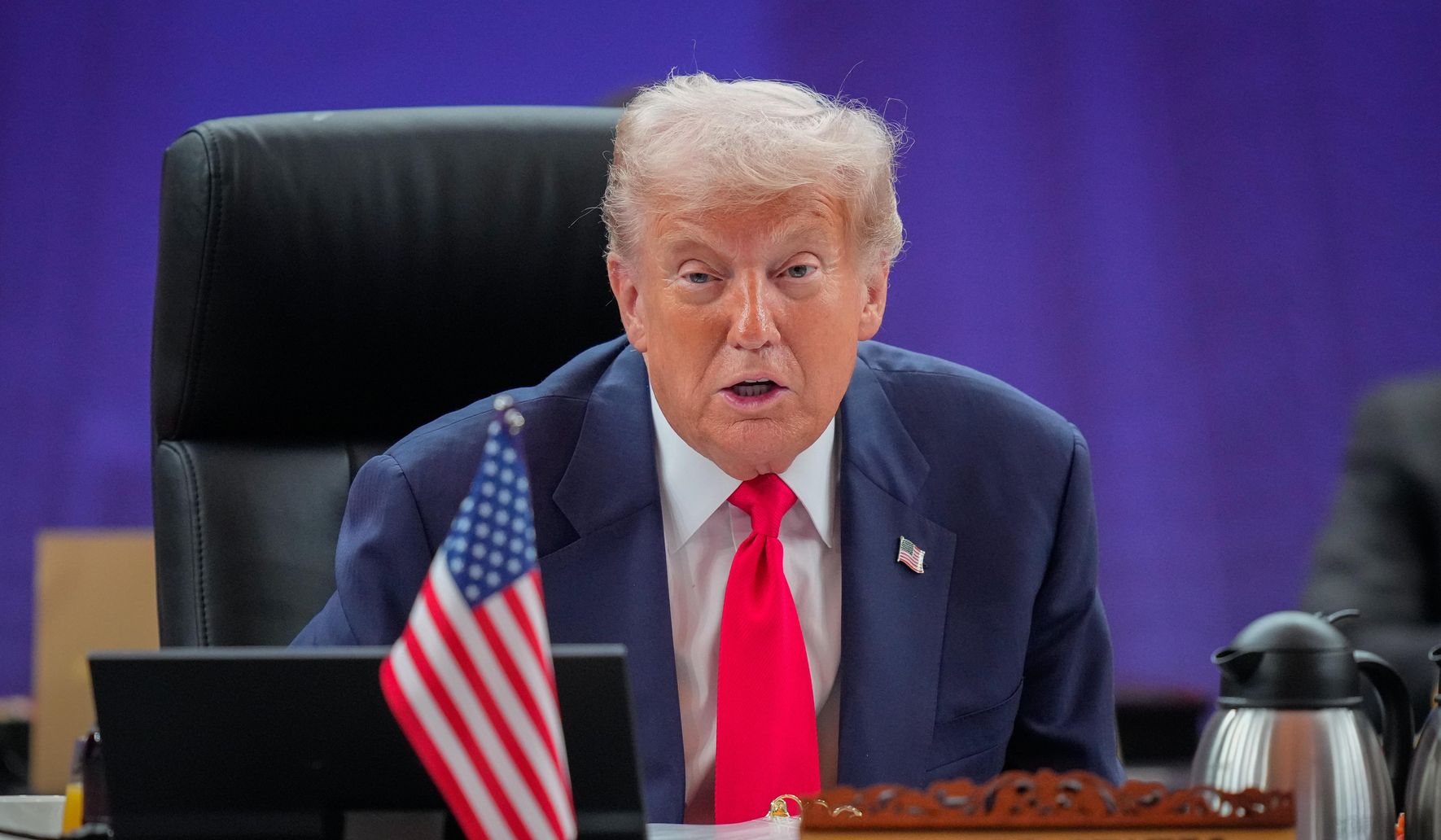
President Trump refused to rule out running for a third term while speaking with reporters on Monday, despite the Constitution limiting presidents to two terms. This article looks at why that remark matters, how legal and political debate is unfolding, and what supporters and critics are saying about the road ahead.
The remark landed like a political grenade, and Republicans are treating it with a mix of defiance and strategy. Many conservative voters shrug and point to the candidate’s energy and track record, saying the conversation about a third term is proof of a movement that will not be boxed in. People who back Trump frame the exchange as a reminder that politics is about power and will, not just tradition. They see it as an assertion that the fight for ideas and leadership can continue beyond standard expectations.
Constitutional purists jump in immediately to remind everyone of the two-term limit set by the 22nd Amendment. Legal scholars will debate the contours and possible challenges, but those debates play out in courts and classrooms, not at the ballot box. On the ground, many Republican activists are less interested in constitutional hypotheticals and more focused on policy wins and turnout. For them, the practical question is whether a candidate can translate enthusiasm into votes.
Trump’s comment also shifts the media narrative in a useful way for his supporters, according to conservative strategists. It forces opponents to spend energy on theoretical arguments instead of substantive critiques of his record. That dynamic often benefits a campaign that thrives on controversy and keeps attention fixed on one personality. In a crowded news cycle, setting the agenda is half the battle, and this remark did that instantly.
Republican officials who want to keep the party unified are navigating a tricky balance between defending the Constitution and defending an energetic base. Some will publicly emphasize rule of law while privately working to channel enthusiasm into down-ballot success. Others will openly back the sentiment, arguing the electorate should decide who governs and for how long, within whatever legal framework eventually prevails. The party’s choice will shape messaging, fundraising, and candidate recruitment as the next election round approaches.
On policy, the debate matters because voters care about outcomes more than procedural purity. Conservatives are pointing to tax cuts, regulatory rollbacks, and judicial appointments as reasons to stick with a bold, assertive leader. The pitch is simple: keep what worked and build on it. For many GOP voters, that argument beats abstract legal theory every time.
Opponents will use the comment to raise alarms about norms, but those warnings do not always land with the voters who prioritize results. Republican strategists expect Democrats to escalate the rhetoric, paint the GOP as a threat to democratic norms, and try to mobilize turnout on that basis. The counter is to remind voters of tangible accomplishments and to paint the opposing party as offering uncertainty and drift.
Legal questions will take their course, and courts will weigh in if and when any formal challenge arises. For now the immediate political reality is what matters: organizing supporters, protecting gains at the state level, and keeping the narrative under control. The conversation sparked by the remark will become part of campaign messaging and fundraising appeals for both sides.
The scene after the comment shows a GOP base that remains engaged and ready for fights over policy and power. Whether the issue becomes a long running legal saga or fades into campaign tactics depends on how quickly opponents can turn the remark into persuasive opposition. In the meantime, Republicans are treating it as evidence that the movement remains alive and focused on shaping the future.

