

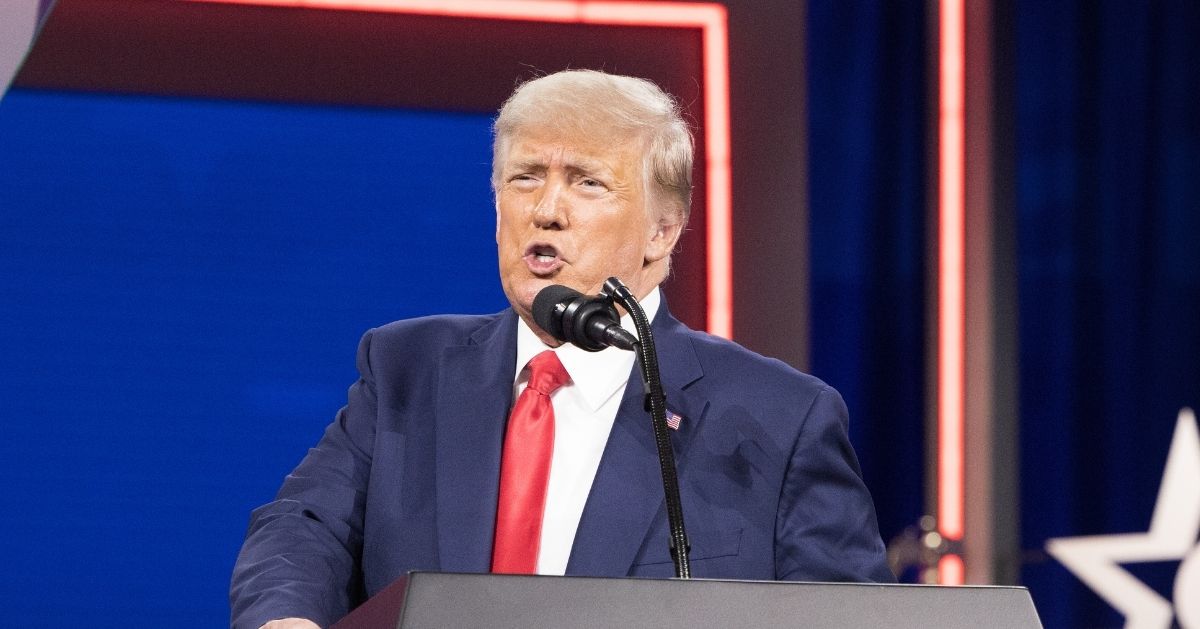
President Donald Trump scored an unexpected diplomatic win at the United Nations as a growing number of countries broke with the usual global script on Cuba’s annual anti-embargo resolution, signaling a shift in how the world views Havana’s blame game and its ties to Russia.
The U.N. General Assembly once again passed a resolution condemning the U.S. embargo on Cuba, but this year the vote looked different: seven countries, including the U.S., voted against the motion and twelve abstained, a notable deviation from past roll calls. That change caught attention because for decades the vote was almost unanimous against the U.S., with only Israel as a reliable partner on the rare occasions Washington opposed the text. This year Argentina, Hungary, Paraguay, North Macedonia, and Ukraine joined the U.S. in saying no, and a dozen others declined to back Cuba. The shift suggests more nations are questioning Havana’s narrative and reassessing its political alliances.
Cuba’s leadership has long used the annual vote to point fingers at the United States whenever the island’s economy struggles, but that argument is getting thinner. The embargo permits food, medicine, and humanitarian aid, and U.S. exports to Cuba rose to $585 million in 2024, up 16 percent from the year before. Even during emergencies, channels exist for help, and foreign partners like Germany provided $330,000 for storm relief after Hurricane Melissa. Those facts complicate Havana’s simple claim that the embargo alone is to blame for its problems.
What really drags Cuba down are its own policies and a stubborn, centralized system that resists reform. Decades of state control, rationing, and mismanagement have produced shortages that are political choices, not just economic casualties. U.S. food exports, including $21 million in chicken products this June, often arrive at Cuban ports only to be caught up in a distribution system that does not reliably serve ordinary citizens. That mismatch between available goods and actual access exposes the regime’s failures more than any blockade could.
The island’s rationing card system, in place since 1963, remains a blunt instrument that fails to meet modern needs and traps Cubans in scarcity. Reports show millions in American goods, roughly $38.4 million in some tallies, pile up without reaching the people who need them most. It’s hard to sympathize with a leadership that touts victimhood on the global stage while its own institutions siphon resources and prioritize regime stability. Voters at the U.N. are starting to notice that distinction between suffering caused by policy and suffering caused by politics.
Ukraine’s decision to vote against the resolution carried extra weight because of Cuba’s increasingly cozy relationship with Russia. Havana’s support for Moscow has not been abstract; Cuba has been accused of supporting Russian operations and even supplying mercenaries to the conflict in Ukraine. Ukrainian Foreign Minister Andrii Sybiha said it bluntly: “We remember Cuban President’s wish of ‘success’ to Putin in his war of aggression against Ukraine. We heard it well.” That kind of alignment makes it harder for other democracies to treat Cuba as simply a victim of external pressure.
The U.S. State Department also pushed back, using social media to call attention to repression inside Cuba and the cost of siding with the regime. “Voting with the Cuban regime means supporting their repression of religious leaders, Ladies in White, UNPACU, San Isidro movement, and all those Cubans brave enough to raise their voice for the cause of freedom.” Those words are a reminder that the vote is not only about trade policy but about moral choices and human rights. For countries weighing where to land, those human-rights signals matter.
This year’s U.N. roll call shows a diplomatic opening that Washington can and should use. When allies and fence-sitters begin to rethink long-standing positions, it creates leverage for pushing reforms, pressuring the regime to unblock humanitarian goods, and spotlighting abuses. Rather than retreating into reflexive apologetics for old mistakes, this moment invites tougher engagement that demands accountability from Havana.
For conservatives and patriots who want a principled foreign policy, the takeaway is straightforward: stand with freedom, call out repression, and use every diplomatic tool to help oppressed people rather than shielding authoritarian regimes. The recent votes and the facts about goods, aid, and political alignments suggest a clearer course is possible. If the U.S. keeps pushing that line, more countries may follow, and Cuba’s leaders will have to answer for the policies they control rather than blaming everyone else.

