

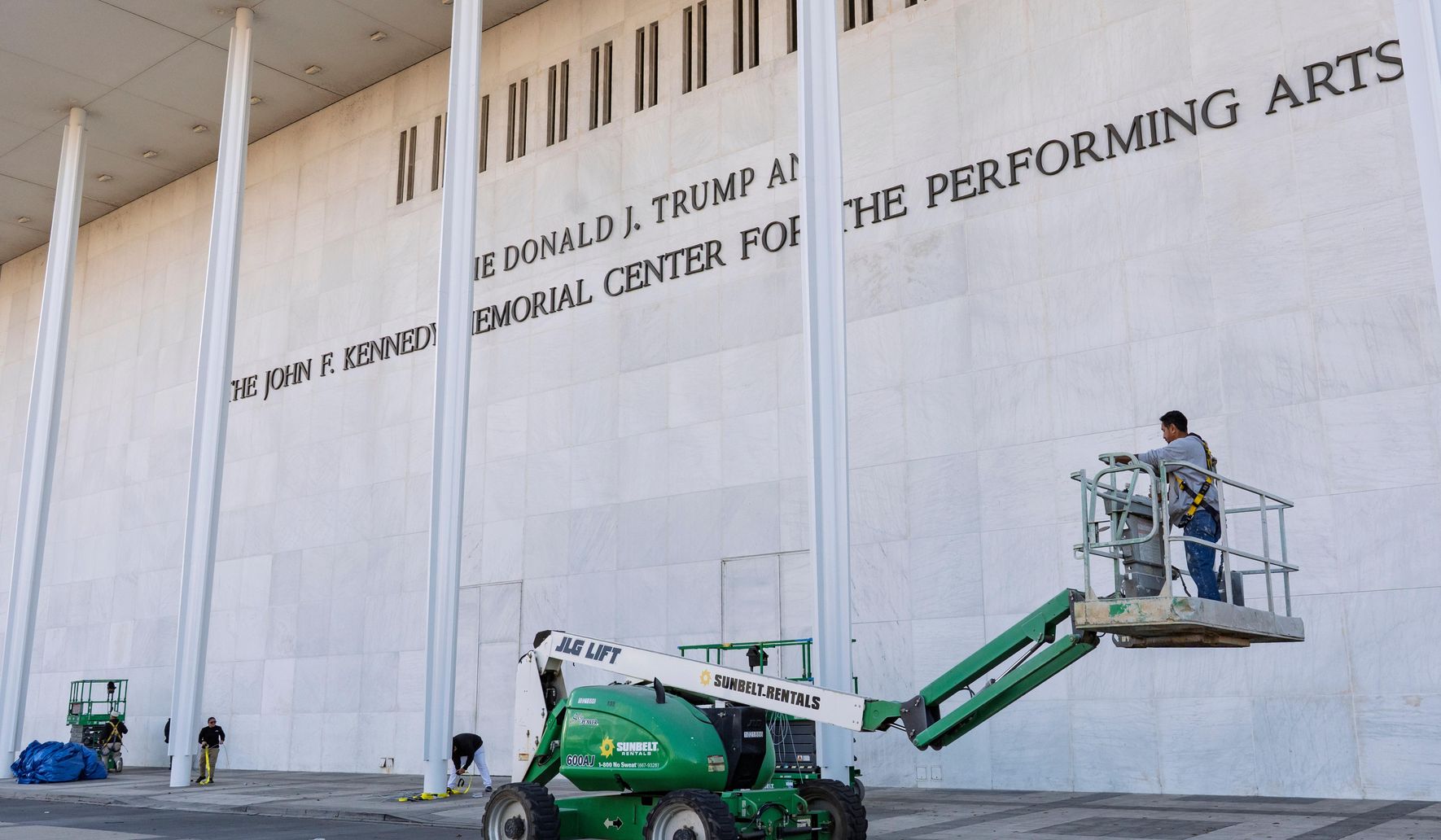
President Trump plans to close the Kennedy Center for two years beginning in July to allow for a major construction project that will reshape the venue’s operations and access during that period.
President Donald Trump says he will move to close Washington’s Kennedy Center performing arts venue for two years starting in July for construction. That announcement lands as a clear, decisive move from a leader who prefers concrete timelines over slow-moving committees. Closing the Center for an extended stretch forces choices and trade offs, and those have real effects on performers, staff, and audiences.
The plan raises immediate practical questions about where shows and rehearsals will happen while the Kennedy Center is offline. Local producers and touring companies will need temporary homes, and smaller venues could see an influx of bookings. Republicans want this kind of disruption handled with clear lines of accountability and speedy execution so taxpayers and artists don’t get stuck in limbo.
Supporters say a full, uninterrupted construction window makes sense: crews work faster and costs fall when a site is shut to the public. A phased, partial-closure approach can stretch timelines and inflate budgets, and Republicans tend to favor efficiency over drawn-out compromise. If the goal is a modern, safer, and more usable performing arts center, a two-year closure may be the most straightforward route.
That said, accountability matters. Any large federal construction plan must include tight oversight, realistic budgets, and milestones the public can monitor. Republicans will press for independent audits and firm schedule guarantees so the project does not morph into another endless government program. Voters deserve clear answers about who pays, who benefits, and how long everyday disruption will last.
Economic impact is another immediate concern for the community and for small businesses that rely on traffic from the Kennedy Center. Restaurants, hotels, and retail near the venue may lose revenue, and workers tied to live events could face layoffs or reduced hours. A responsible plan will include support for displaced workers and clear strategies for channeling performances to alternate stages so the region does not take an unnecessary economic hit.
There is also room for creative solutions that reflect private sector involvement while protecting taxpayers. Public-private partnerships can bring capital and project management skills without turning the venue into a political project. Republicans typically prefer market-driven options where private capital and experienced operators share risk and incentives, keeping the government from shouldering unnecessary long-term expenses.
Cultural priorities matter, and conservatives do not dismiss the importance of national arts institutions. The Kennedy Center is a flagship venue and should represent excellence, not bureaucratic waste. Closing the facility if it produces a better, safer, and more accessible center fits a conservative approach that values results and stewardship over symbolic gestures.
Political critics will predictably frame the closure as disruptive or politically motivated, and opponents may call for alternatives that slow the work. That pushback is part of public life, but decisions about infrastructure require discipline and the courage to choose a path with trade offs. What matters from a Republican viewpoint is enforcing performance, protecting taxpayers, and ensuring any shutdown yields a clearly better outcome for artists and audiences.
Practical next steps include publishing an honest timeline, naming a project manager with a track record, and setting enforceable penalties for missed deadlines. Transparency will calm nerves and help arts organizations plan. Above all, a repair plan that respects the taxpayer and preserves the nation’s cultural assets can be a sensible, conservative approach to a necessary upgrade.

