

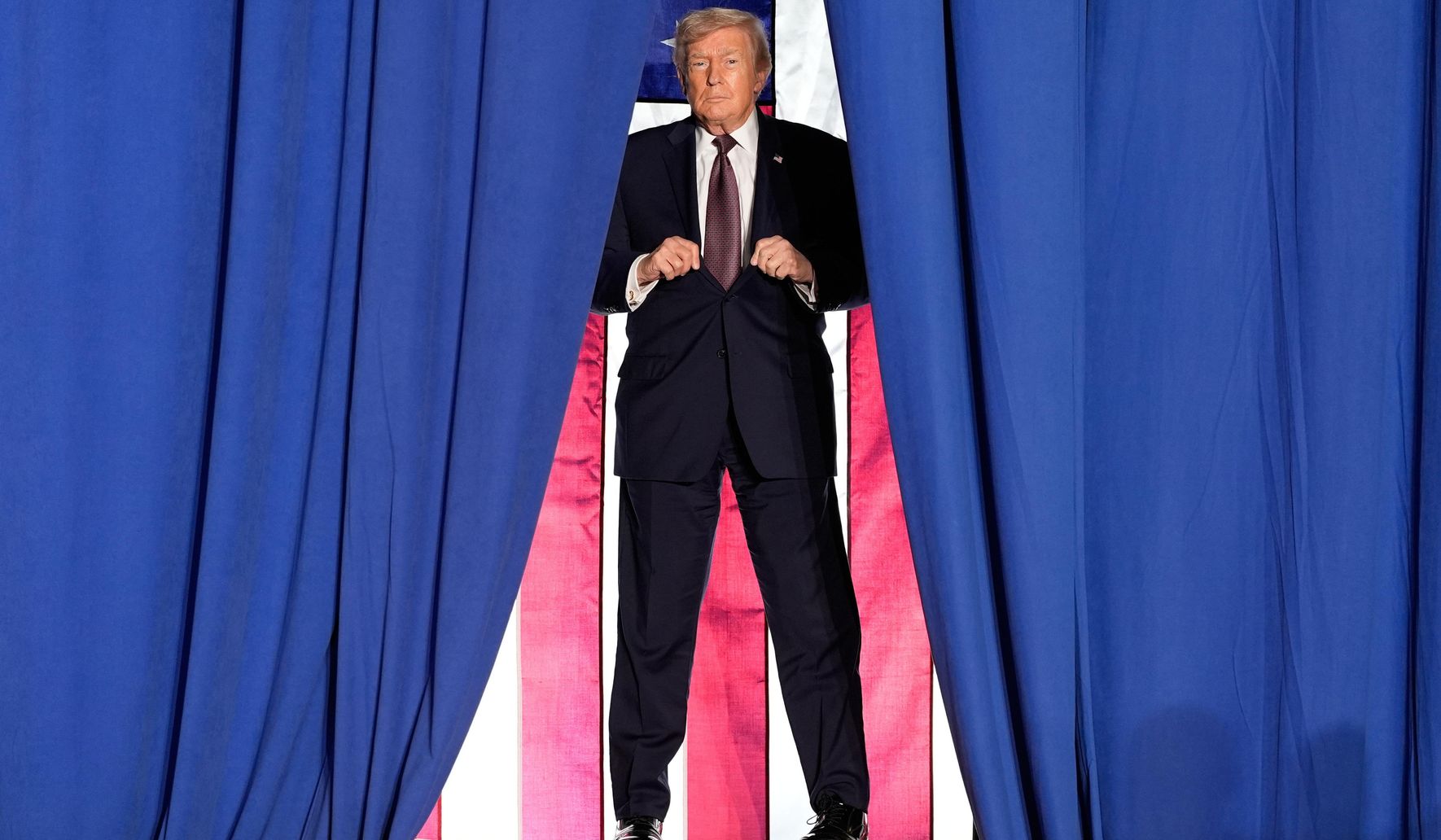
President Trump’s return to the White House has stirred debate and delivered measurable changes, with policy choices like tariffs and a focus on public safety shaping how his first year back is being judged by supporters and critics alike.
There’s a clear narrative coming from the Republican side that credits aggressive trade policy and law-and-order emphasis for an improved sense of economic resilience and safer streets in many communities. Supporters point to tariff moves as a way to defend American manufacturing and bargaining power with foreign competitors. That argument is straightforward: if you protect your industries and enforce the rules, you strengthen jobs and leverage.
On public safety, the administration leaned into targeted enforcement, federal support for local police, and stepped-up penalties for repeat offenders, arguing those steps translate directly into fewer violent incidents and restored confidence in neighborhoods. Critics push back hard, but the simple Republican position is that public safety is not negotiable and that a government unwilling to punish crime guarantees decline. Voters who prioritize daily safety often see those results first and explanations second.
Fiscal and economic choices, including tariffs, have been presented as tools to rebalance unfair trade practices while encouraging companies to keep production on U.S. soil. The pitch is pragmatic: tariffs are leverage, not the endgame, used to force better contracts and fairer deals from longstanding trade partners. For conservatives who value national sovereignty and secure supply chains, these moves feel like restoring a measure of control lost to globalization.
At the same time, the administration faced standard trade-offs: higher import costs, pressure on some domestic industries, and diplomatic friction with allies. Republicans will say those are manageable short-term pains for longer-term strategic gain, arguing that a stronger industrial base and clearer trade terms pay off in jobs and national strength. Messaging matters here; when leaders explain trade moves as strategic and limited, support among base voters holds firm.
Crime statistics and public perception don’t always move together, but the claim that “President Trump touted his tariffs and crime rates as his first year back in office comes to a close.” captures how the administration connects policy wins to voter priorities. That line was repeated across statements and rallies, underscoring a simple campaign frame: economic defense plus public safety equals tangible improvement for everyday Americans. It’s a tidy pitch meant to appeal to voters who measure leadership by streets they walk down and paychecks they bring home.
Looking at the political landscape, Republican messaging has emphasized competence and results over rhetoric alone, aiming to turn complex policy choices into clear voter benefits. That framing relies on a direct, no-nonsense tone: act decisively, enforce laws, and push for fairer economic terms abroad. For many voters, clear action beats ambiguous promises.
Still, the coming months will test whether those policies hold up under shifting markets and evolving crime patterns, and whether the political coalition that favors this approach remains energized. Republican leaders will keep the focus on tangible outcomes—jobs, safer neighborhoods, and a stronger negotiating posture overseas—arguing that steady enforcement and strategic pressure produce durable gains. The debate will continue, but the party’s pitch is simple and consistent: protect Americans first.

