

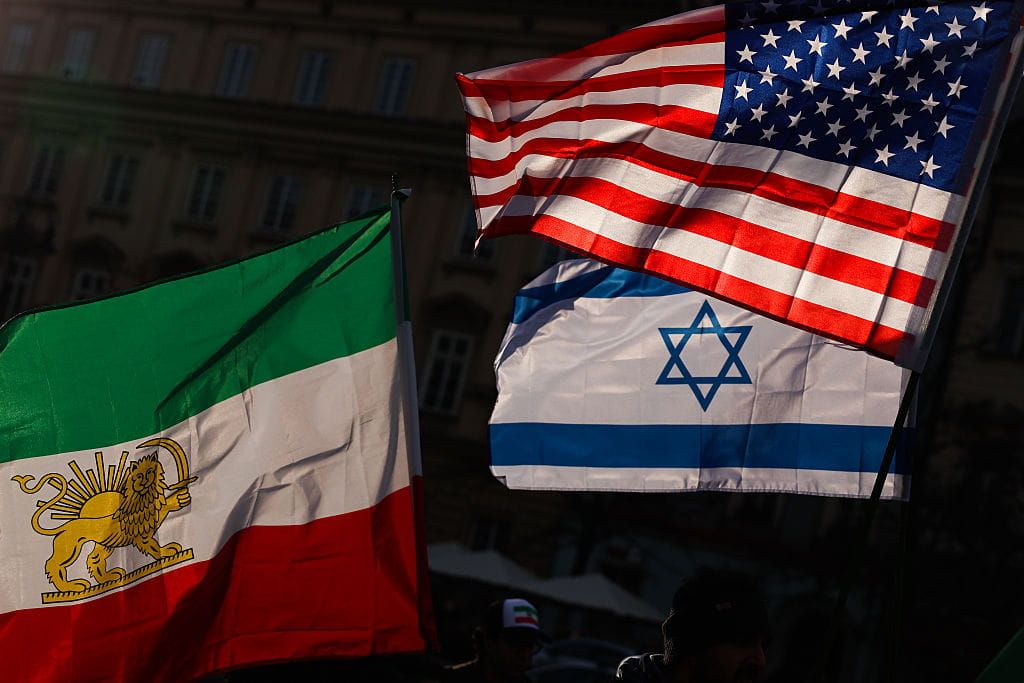
Peace Between America and Iran ‘Closer Than Ever’ — “President Trump says the framework agreement is nearly ready for signatures.” Jun 14, 2026.
The claim that peace with Iran is within reach landed fast and loud, and it changes the political landscape in a hurry. For Republicans who want America secure and respected, this is a moment to be cautiously optimistic while demanding hard guarantees. The date attached to the announcement, Jun 14, 2026, marks a fork in the road between diplomacy that works and diplomacy that merely promises.
What officials are calling a framework likely aims to freeze or roll back the most dangerous parts of Iran’s nuclear push and open the door to inspections. That sounds good on paper, but Republicans know agreements mean nothing without ironclad verification and enforcement. Any deal that fails to include meaningful, on-the-ground inspection rights and quick, automatic snapback of sanctions is a bad deal for the United States.
From a conservative standpoint, the bargain must put American interests first and keep pressure on Tehran until compliance is undeniable. Sanctions are our leverage and should remain central until inspectors confirm Iran’s behavior. The whole point of negotiation is to secure tangible, durable changes that reduce the risk of enrichment and regional aggression.
Congress has a constitutional role here, and Republicans will insist on oversight and a voice in the process. A framework that skirts congressional review or treats lawmakers as an afterthought will face resistance and legal questions. Lawmakers should demand full briefings, access to intelligence, and a chance to vote on any arrangement that affects sanctions and national security.
Allies and regional partners will watch closely, and Republican leaders will push for coordination with Israel and Gulf states to prevent surprise gaps in security. Those partners rightly expect the United States to keep deterrence in place while diplomacy runs its course. Any perception that Washington is moving too quickly without allied buy-in could damage regional stability and American credibility.
On the substance, Republicans will press for verifiable limits on enrichment, restrictions on centrifuge development, and concrete steps to dismantle pathways to a weapon if one is being pursued. They will also demand transparency about Iran’s ballistic missile activity and support for proxy groups across the region. If the framework can’t produce those elements, then it is not a lasting solution.
Public trust will hinge on clarity about what the framework actually changes versus what it leaves untouched. Vague language is a red flag, and Republicans will call that out loudly. The messaging must be clear: the goal is durable security gains, not a temporary pause that lets Iran regroup and accelerate its program later.
Practical next steps are straightforward: lay out the text, allow congressional review, coordinate with allies, and establish a testing timeline for compliance. Swift signatures without those steps would be reckless and fuel justified skepticism. The coming weeks will tell whether this is a genuine path to reduced risk or another round of empty promises dressed up as diplomacy.

