

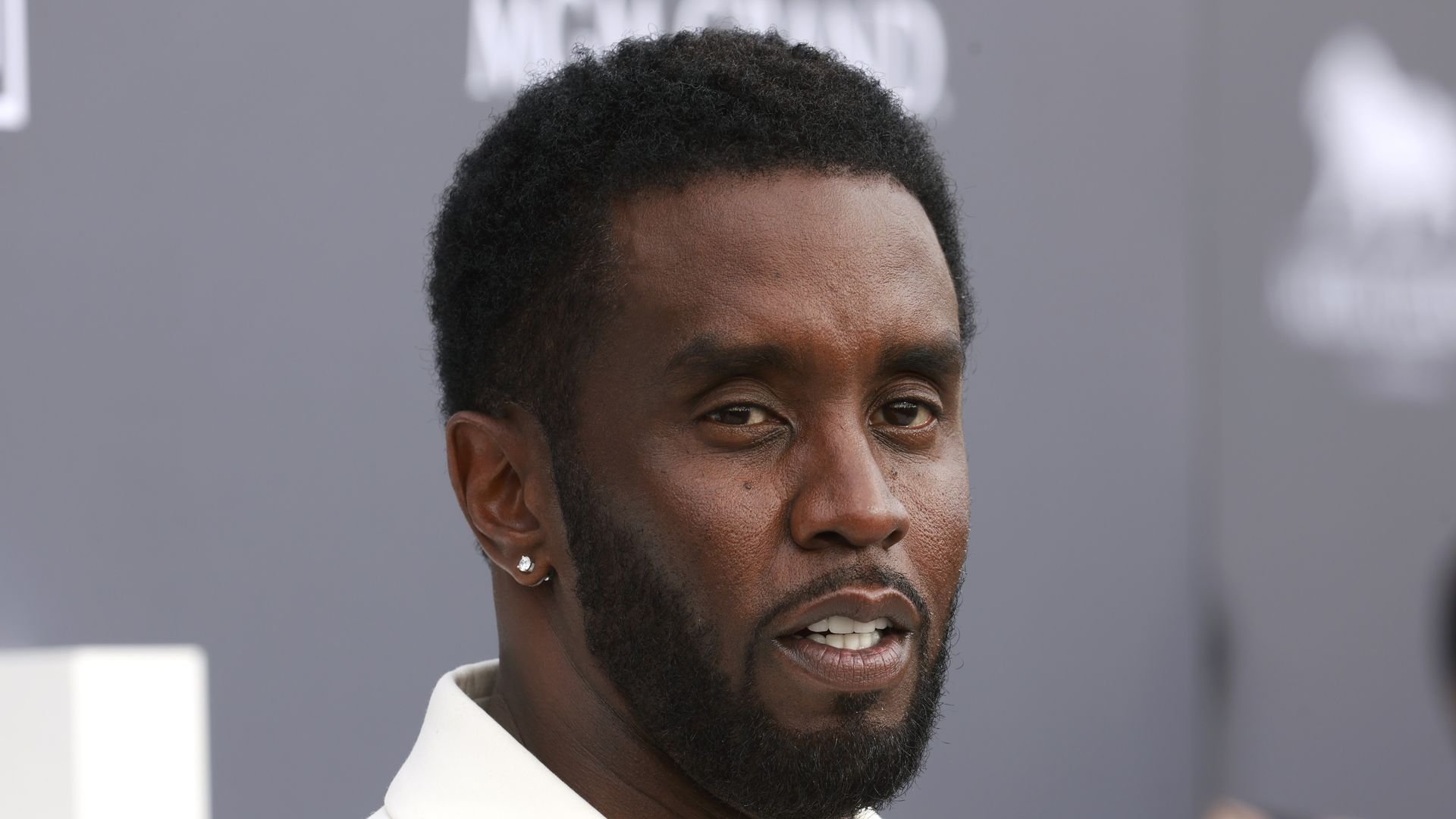
Sean “Diddy” Combs, the multimillionaire rapper and music mogul, is facing an increasingly complex legal battle as new accusations surface while he remains in custody at Brooklyn’s Metropolitan Detention Center.
Combs, who shares a cell with former FTX CEO Sam Bankman-Fried, was arrested last week on multiple charges, including racketeering conspiracy, sex trafficking by force, fraud, or coercion, and transportation to engage in prostitution.
He has pleaded not guilty to all charges, but was denied bail and remains behind bars. Now, a Texas-based law firm has announced that it is representing over 50 alleged victims who claim to have been sexually assaulted by Combs and his associates.
According to a report by Page Six, attorney Tony Buzbee of the Buzbee Law Firm shared on Instagram that the Ava Law Group asked his firm to serve as lead counsel for these individuals. The alleged victims include both men and women, with many reportedly being minors at the time of the abuse.
Buzbee described the accounts of the victims as “gut-wrenching and heartbreaking,” and claimed that the assaults occurred in various locations, including hotels, private homes, and at Combs’ infamous “Freak Off” parties.
He further alleged that these incidents involved “mind-boggling debauchery and depravity” carried out by powerful individuals against vulnerable people.
While some of the victims filed police reports, others did not, according to Buzbee. He expects the number of victims represented by his firm to increase and believes that additional individuals will be implicated in the scandal.
A press conference is planned for next week, during which some of the victims’ stories will be shared publicly. Combs has consistently denied all allegations against him. However, a federal indictment reveals disturbing details, including the discovery of over 1,000 bottles of lubricant, various narcotics, and multiple firearms during raids of his Los Angeles and Miami mansions earlier this year.
The indictment also accuses Combs of operating a criminal enterprise involved in sex trafficking, forced labor, kidnapping, arson, bribery, and obstruction of justice.
At his “Freak Off” events, Combs allegedly subjected victims to physical, emotional, and verbal abuse to coerce them into participating in acts that were often recorded. If convicted, the charges against him carry a minimum sentence of 15 years in prison.
Sexual abuse and harassment have long been pervasive issues in the entertainment industry, with recent revelations showing that such misconduct has become disturbingly normalized. From Hollywood to the music world, survivors continue to speak out about the abuse of power, gender imbalances, and lack of accountability that create an environment where sexual misconduct can thrive.
In the film industry, a long history of exploitation is often tied to the infamous “casting couch,” where job opportunities are allegedly exchanged for sexual favors. This quid pro quo harassment is reinforced by a profound imbalance of power between young, aspiring actors and industry veterans. A survey by the International Labour Organization found that 52% of victims identified people in power as perpetrators, with 43% reporting propositions for sexual favors in exchange for career advancement. Despite increasing awareness, hostile work environments filled with inappropriate sexual conduct remain a persistent issue in the film industry(Film Industry Watch)(Mathew & George).
Similarly, the music industry is fraught with its own challenges. As women and nonbinary artists gain more visibility, they continue to face a toxic culture of sexism, harassment, and abuse. In many cases, music industry structures lack basic HR support, leaving victims to deal with the trauma on their own or relying on informal peer support. Despite efforts to bring attention to these issues, perpetrators often face minimal consequences, with some returning to their jobs shortly after being accused(VICE).
Power dynamics in the industry also exacerbate the problem. Young women, in particular, are often exploited by older, powerful men, reinforcing a system of protection for abusers. This protection often extends beyond individual cases, with the entire culture of the industry complicit in minimizing complaints or outright dismissing them. As a result, many survivors feel silenced, fearful that speaking out will damage their careers or lead to retaliation, including being blacklisted from opportunities(VICE)(Mathew & George).
Efforts to challenge this culture have begun, but meaningful change requires structural reforms. Legal protections are being enhanced in places like California, where laws now make it easier for victims to file complaints and pursue justice. Still, without widespread industry accountability, the pattern of abuse is likely to persist(Film Industry Watch).
The entertainment industry, once considered a glamorous and aspirational space, has revealed a darker reality where sexual abuse is alarmingly common. Whether through stronger legislation, industry guidelines, or increased awareness, tackling this issue head-on is essential to changing the pervasive culture of abuse.

