

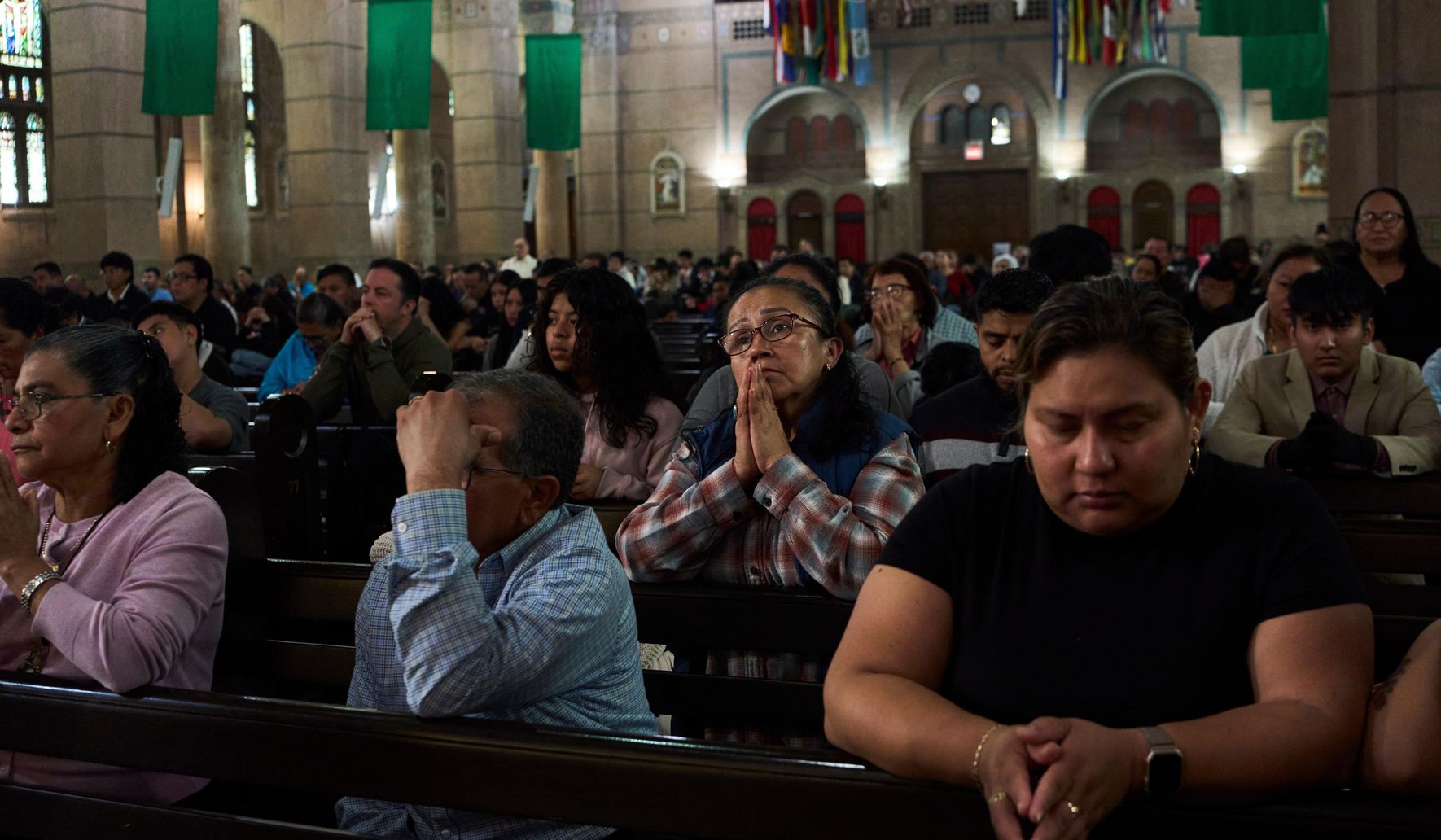
The U.S. bishops will meet in Baltimore to pick a new president and vice president, and that vote will shape how the conference talks, what it prioritizes, and how it deals with public issues facing the Church.
The meeting in Baltimore has the feel of a crossroads, with bishops casting votes that will steer the Conference’s tone for the next three years. This election matters beyond titles because the president sets agendas, steers public statements, and decides which issues get airtime. Bishops from across the country will weigh experience, pastoral temperament, and where each candidate stands on hot-button topics.
At the center of the conversation are two broad instincts: steady institutional leadership and a sharper public witness on moral questions. Some bishops want a steady hand who focuses on internal reforms, clergy training, and diocesan stability. Others want leaders who will speak plainly in public and push the Church’s moral voice into national debates.
Immigration, religious liberty, and pro-life advocacy will all be part of the calculus. For many conservative-minded Catholics, the ideal leaders will defend life at every stage, resist government overreach that threatens schools and hospitals, and press for policies that align with Catholic teaching. Those concerns are pressing because the Church often serves communities that need clear moral leadership as culture shifts around them.
Handling the clergy abuse crisis remains a top priority for any new leadership team. Bishops who win the top spots will need to show they can enforce accountability while restoring trust. That means better policies, clear cooperation with civil authorities, and a willingness to make difficult personnel decisions when necessary.
Liturgy and catechesis are also on the table, with many Catholics wanting a stronger emphasis on traditional practice and sound teaching. For bishops who favor a more conservative approach, the goal is to deepen formation so parishes and schools produce Catholics who can argue their faith confidently. This translates into priorities for seminary formation, religious education, and support for parish priests under pressure.
Relations with the Vatican are another practical consideration, since the U.S. conference needs to be credible in Rome to get things done. A president who understands how to coordinate with the Holy See can avoid unnecessary clashes while still making a forceful case for American concerns. That balance is delicate but essential if the bishops hope to lead both at home and in communion with the universal Church.
The choice will also send a signal to Catholic voters and public officials about how seriously the bishops take their role in public life. From a Republican viewpoint, many will be watching for leaders who resist political pressure, defend religious institutions, and advocate policies that protect families and faith-based services. Bishops who act with clarity and conviction can influence public debates without being swept up in partisan fights.
Practical governance matters too: the president oversees committees, appointments, and communications. A leader who knows how to manage the conference’s limited resources will be better positioned to deliver results. That skill set often separates effective presidents from well-meaning but inexperienced ones.
Across the country, parishioners will be listening for signs that their bishops understand daily struggles: school funding, conscience protections, pastoral care for migrants, and the need for faithful preaching. The new leadership will inherit a Church that needs both repair and bold witness, and the men chosen in Baltimore will set a tone that could matter for years. Decisions made in those few hours will influence who gets asked to speak, which programs get resources, and how the bishops show up in public life.

