

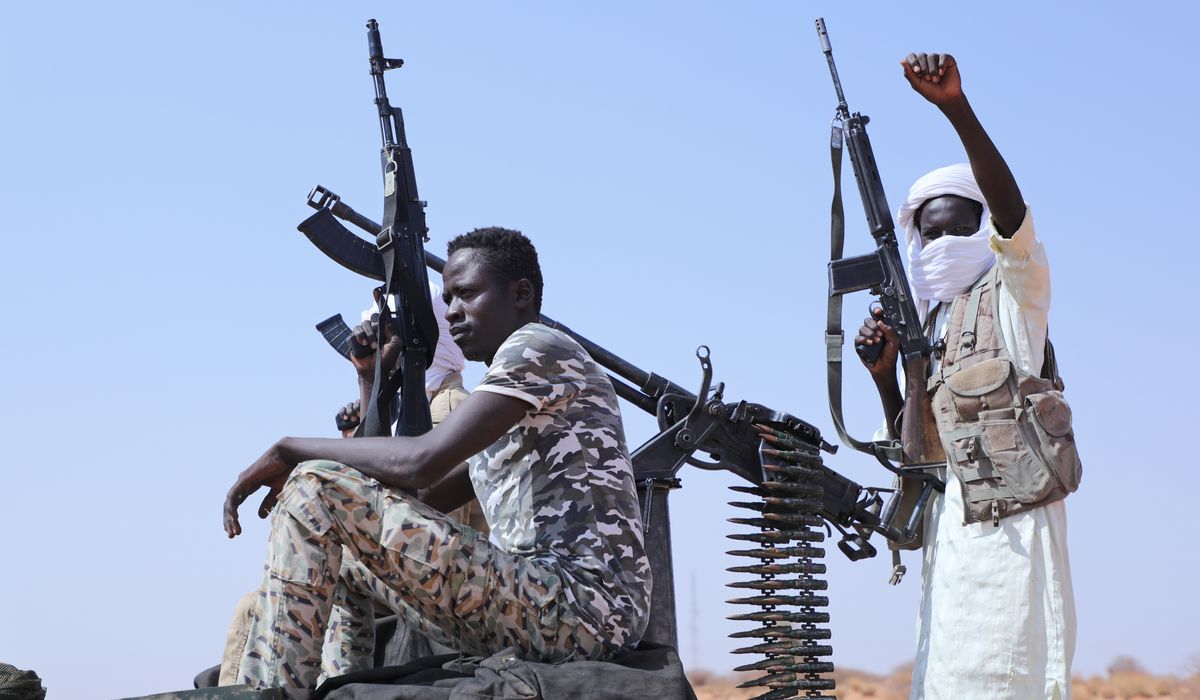
The United States is urging beefed-up U.N. sanctions against the warring parties in Sudan to build pressure on them to negotiate an end to the fighting that has killed at least 59,000 people.
The U.S. push for stronger U.N. measures comes amid a grinding conflict that has devastated cities and upended millions of lives. Officials in Washington argue that clear consequences are needed to change incentives and bring both sides back to the table. The death toll of at least 59,000 underscores the urgency of tougher international action.
Fighting in Sudan has been marked by shifting front lines and repeated breakdowns in local and international agreements. Civilians have borne the worst of the violence, with critical infrastructure damaged and basic services interrupted. Humanitarian groups report chronic shortages of food, medicine, and safe shelter for those who remain.
U.S. diplomats are advocating for sanctions that would target the leaders and backers who profit from the chaos while ordinary people suffer. The idea is to limit those who finance or arm the combatants and to isolate actors who block peace efforts. Washington’s goal is to make continued fighting more costly than negotiating.
One challenge to stronger action is getting consensus among U.N. members with differing interests and relationships in Sudan. Some countries prefer quiet diplomacy or fear that sanctions will deepen divisions rather than solve them. Still, supporters of tougher measures argue that a unified international stance can create leverage and protect humanitarian access.
From a Republican perspective, sanctions are a tool of responsibility and accountability, not punishment for its own sake. They are meant to protect innocent lives by forcing elites to choose between isolation and negotiation. That approach favors clear, enforceable measures that produce real behavior change instead of vague condemnations.
Enforcement will be critical if the U.N. decides to move forward with a sanctions package. Targeted sanctions need follow-up mechanisms to track compliance and stop circumvention through third parties. Without credible monitoring and swift penalties for evasion, restrictive measures risk becoming symbolic gestures.
Humanitarian access must be tied to any political response from the international community. Aid deliveries and medical evacuations require secure corridors and cooperation from local forces. Those providing relief say predictable, protected access is the only way to prevent further deaths and to stabilize communities.
Sanctions can also be paired with incentives for commanders and political leaders to negotiate. If clear pathways exist for reduced restrictions in exchange for verified ceasefires, there is a greater chance of durable agreements. Policymakers in Washington believe combining pressure with conditional relief will produce better outcomes than either alone.
Regional dynamics matter, and American efforts will have to coordinate with African partners and other global players. Neighboring countries face spillover risks, including refugee flows and cross-border insecurity, which gives them a stake in the outcome. A coordinated approach can reduce loopholes and increase the pressure on those prolonging the conflict.
There are practical questions about how sanctions would affect informal economies and humanitarian funding lines. Care must be taken to protect civilian channels for aid while tightening the noose around those who profit from violence. Designing measures with precise targeting and clear exemptions for relief work is crucial.
Ultimately, the aim from the U.S. position is to change calculations on the ground so leaders choose negotiation over continued bloodshed. That requires diplomacy backed by credible, enforceable tools that punish obstruction and reward cooperation. The international community will be watching whether the U.N. can translate pressure into a path toward talks and durable pauses in the fighting.

