

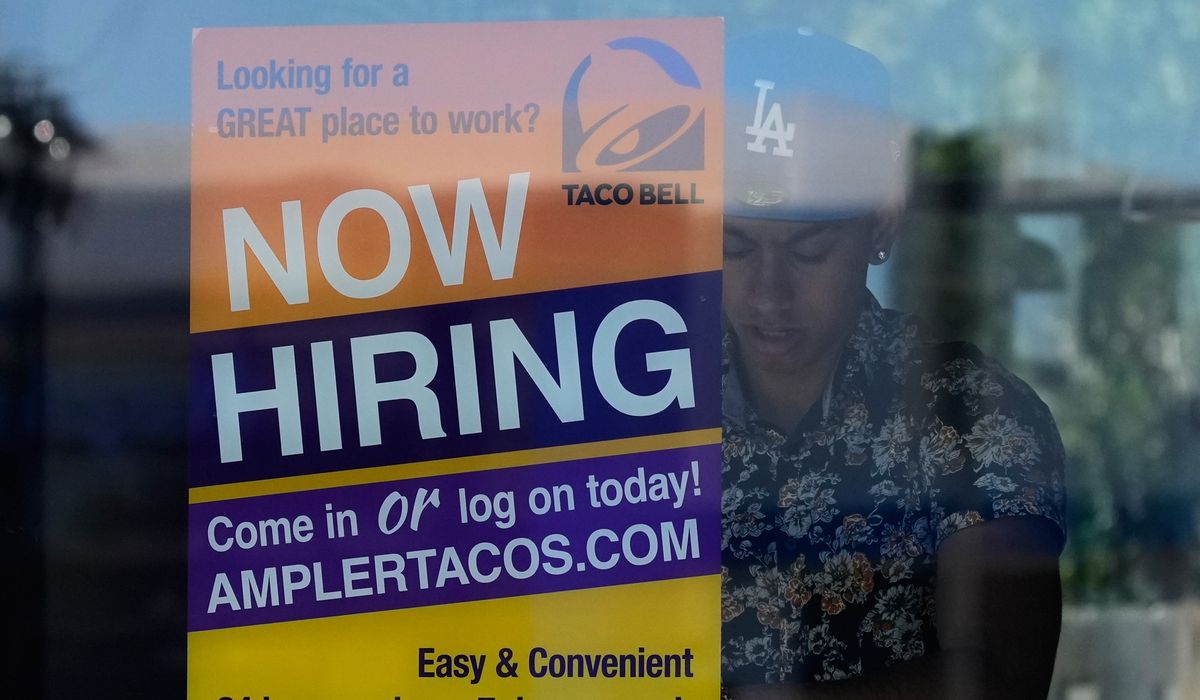
Fewer Americans filed for jobless aid last week, and layoffs stayed low even as economic uncertainties lingered, signaling a labor market that still shows resilience amid mixed signals.
The latest weekly reports show a dip in initial claims for unemployment benefits, a sign that mass layoffs have not surged. Employers overall are holding onto workers rather than cutting staff in large numbers. That dynamic keeps hiring and consumer confidence from falling off a cliff.
Even with layoffs remaining subdued, clouds hang over the economy: higher interest rates, uneven growth, and geopolitical worries. Those factors can slow hiring plans and squeeze smaller firms first. Sensible employers are cautious, trimming back on new roles rather than conducting broad layoffs.
The labor market is not uniform across industries, and contrasts are clear between sectors. Tech and startup ecosystems have been through headline layoffs, while healthcare, government, and certain services keep hiring. These sectoral gaps mean national numbers can mask real stress for workers in specific fields.
Wage growth has slowed compared with the pandemic surge, but pay remains an important retention tool for many firms. Employers who reduce hiring often rely on existing staff to cover more ground, which can limit wage pressure in the short term. That reduces the chance of dramatic unemployment spikes but can wear on employee morale.
Small businesses are particularly sensitive to higher borrowing costs and tighter credit conditions. When financing becomes less predictable, small employers hesitate to expand payrolls and may freeze openings. That caution helps explain steady initial claims even without a wave of large corporate layoffs.
Another piece of the picture is labor force participation and the pool of available workers. Participation has crept back up since the pandemic trough, but it has not fully recovered to pre-pandemic patterns. If more people reenter the workforce, employers could fill vacancies without boosting wages sharply, keeping layoffs from rising while moderating wage inflation.
Policymakers and markets will watch several indicators closely to judge where the labor market is headed. Weekly unemployment claims give a near-term read, while monthly payrolls and the unemployment rate show broader trends. Wage growth, job openings, and quit rates offer context on whether employers are competing for labor or retrenching.
Businesses are balancing cost pressures and the need to retain talent as they navigate an uncertain outlook. Some firms are investing in automation and efficiency to reduce labor dependence without resorting to mass layoffs. That approach can stabilize employment numbers, though it shifts the nature of available jobs.
For workers and jobseekers, the current mix means opportunity in certain fields and vulnerability in others. Those with in-demand skills or in resilient sectors face better prospects, while those in overbuilt niches may need to pivot. Monitoring hiring trends and staying adaptable will matter more than ever as the economy adjusts.

