

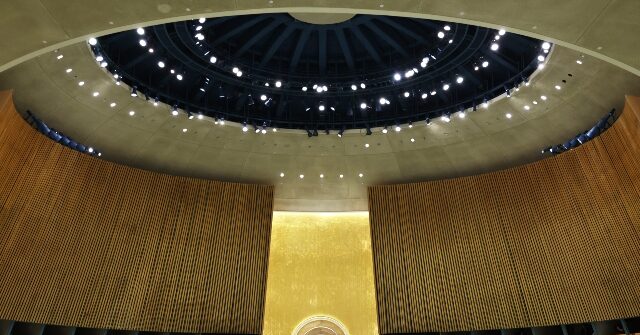
The United Nations will open the 80th session of its annual General Assembly high-level debate on Tuesday morning. The event gives world leaders a platform to raise issues that matter to them and often turns into a public airing of grievances diplomats usually keep quiet. This ritual of rhetoric matters because it shapes headlines and can sway policy, even when real consequences are slow to follow.
For conservatives, the General Assembly should be a chance to demand accountability and guard national sovereignty. Too often the UN becomes a stage for grand statements with little follow-through, and taxpayers feel the bill. Republicans should push for measurable outcomes rather than applause lines.
The agenda this year will be crowded with the usual suspects: security crises, economic instability, human rights disputes, and climate claims. Each topic gets presentation time, emotional appeals, and finger pointing. The substance behind the speeches is where conservatives should focus hard and stay skeptical of blanket solutions that intrude on national prerogatives.
History shows the UN can be useful on targeted missions, like coordinating humanitarian relief or supporting narrow peacekeeping efforts with clear mandates. But broad mandates and vague language open the door to mission creep and bureaucracy. Conservatives should insist on tight definitions, sunset clauses, and proof of value before endorsing international commitments.
On security matters, the world is more volatile than the speeches admit, with regional conflicts threatening to escalate and nonstate actors growing bolder. The UN often struggles to provide real deterrence without the unanimity that major powers rarely grant. A Republican approach is to support alliances that deliver results and to be wary of symbolic votes that substitute for strength.
Economic debates at the Assembly will center on global growth, debt, and development aid, with calls for expansive international intervention. Conservatives should ask whether aid programs actually empower recipients or create dependency and waste. Fiscal responsibility means demanding transparency, measurable outcomes, and proof that dollars are changing lives for the better.
Human rights remain a core UN theme, and rightly so, but the forum is frequently used to score political points. Some states use the platform to shield allies and attack rivals while ignoring their own records. Republicans should champion universal standards but make those standards enforceable and consistent, not selective and politicized.
Climate policy will again command attention, with a chorus of nations calling for collective action and funding. Conservatives believe in stewardship but also in pragmatic solutions that respect energy needs and economic realities. Any international climate commitments should protect consumers, preserve national decision-making, and avoid punishing growth in developing countries.
One recurring problem is the UN’s structure, which often rewards rhetoric over results and allows autocracies to hide behind procedural protections. Voting mechanisms and committee assignments sometimes amplify bad actors and mute reformers. Republicans should press for governance reforms that increase accountability and give credible democracies a stronger voice on matters of peace and human prosperity.
Transparency is another sore spot: budgets balloon and accountability rarely keeps pace, which is bad for taxpayers and for the UN’s credibility. Conservative pressure for audits, performance reviews, and public reporting would improve trust and curb waste. If the UN wants support, it should welcome scrutiny rather than resist it.
America’s role in the General Assembly is crucial because US leadership can tilt the balance between meaningful cooperation and empty showmanship. Republicans often argue that leadership must be smart, conditional, and protective of American interests. That means using engagement selectively, funding only effective initiatives, and leveraging alliances to produce concrete outcomes.
The annual speeches will include calls for solidarity and appeals to conscience, but the follow-up is what counts. Conservatives should watch budget proposals, peacekeeping mandates, and treaty language for hidden obligations that could bind the United States or its allies. Strong rhetoric without strong checks is a recipe for unintended consequences.
The UN can be a useful tool when it complements national efforts and when its work is limited, transparent, and effective. The 80th session is a timely chance to insist on reforms, demand measurable results, and defend national sovereignty. Republicans should use the spotlight to press for an international order that favors liberty, accountability, and real security.
The speeches will be replayed and debated, and some leaders will return to capitals satisfied with the optics. The real win is converting declarations into policies that protect citizens and advance freedom. That should be the test Republicans bring to the General Assembly this year.

