

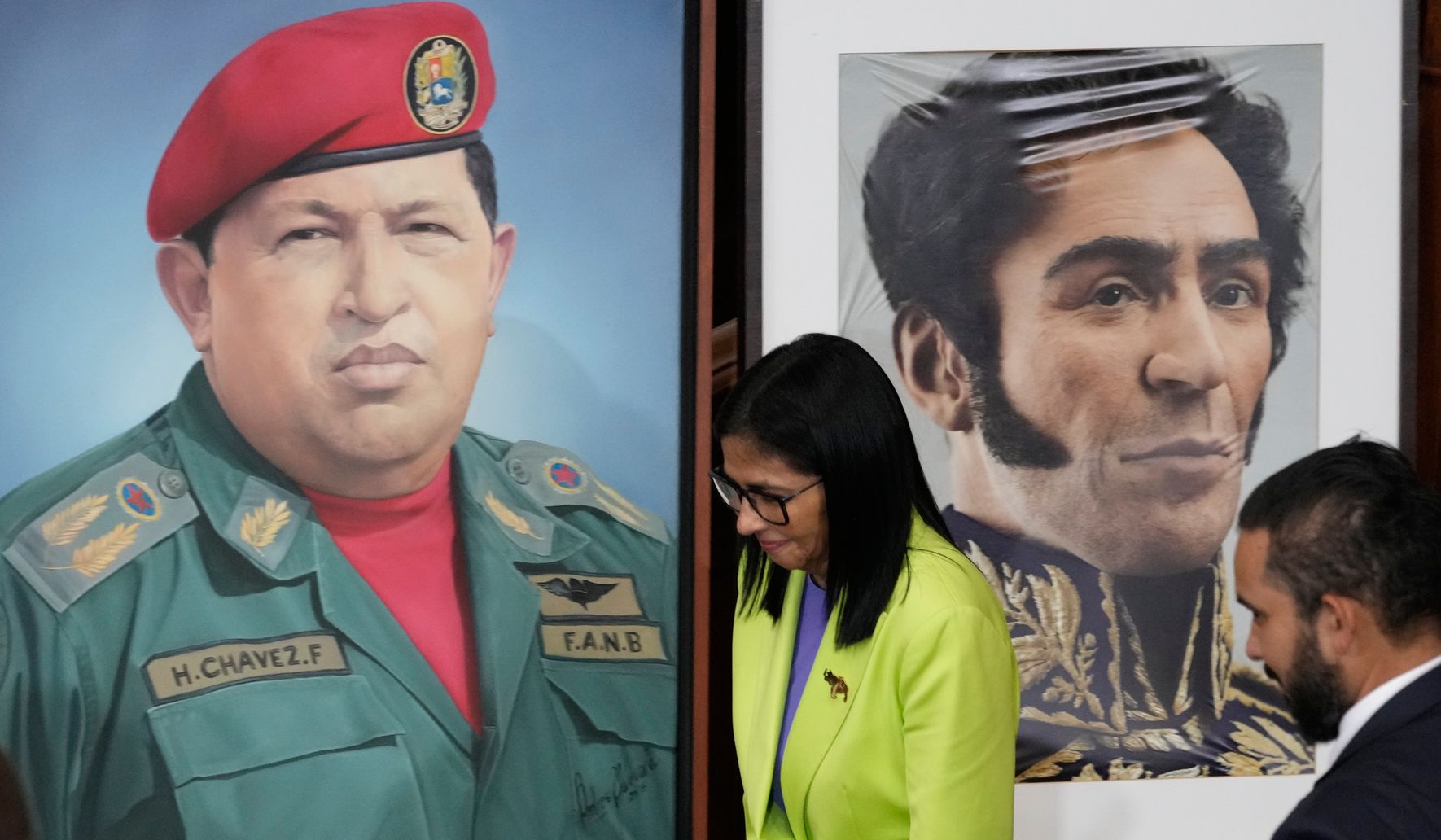
Venezuela’s long-running Chavista project looks brittle: the nationalist machine that kept Hugo Chavez’s revolution in power for 27 years is showing real signs of strain, and the politics, economy, and security fallout is reshaping lives across the hemisphere.
Hugo Chavez’s movement rested on a clear rallying cry: “United, we will win!” That slogan captured the mix of fierce nationalism and disciplined patronage that held the coalition together. For nearly three decades that politics delivered power, but not lasting prosperity for ordinary Venezuelans.
The oil boom masked deep structural problems for years, and when prices fell the cracks widened fast. Dependence on a single commodity left the state exposed and the economy vulnerable to shocks. Mismanagement and price controls compounded shortages and inflation, turning a resource advantage into a national emergency.
Corruption moved from rotten to systemic, with oil revenues diverted into patronage networks and private enrichment. State enterprises like PDVSA became political payrolls instead of engines of growth, and investment evaporated. The result is a shrunken economy and institutions hollowed out from the inside.
A humanitarian crisis followed, with millions fleeing the country in search of food, work, and safety. That migrant wave has strained neighboring nations and become a political issue in the United States and across the region. Families separated and skilled professionals lost their chance to rebuild Venezuela from within.
Chavismo survived through tight discipline: a mix of welfare benefits for loyalists, control over public institutions, and a security apparatus willing to enforce the regime’s will. That recipe can hold in the short term, but it depends on continuing access to cash and coercion. When either fades, loyalties shift fast.
Now signs of fracture are visible in multiple places. Factional squabbles over access to foreign currency, smuggling profits, and control of local economies have diluted central authority. Armed groups and corrupt officials have turned gray markets into power bases that rival formal state structures.
At the top, the Maduro circle faces internal tensions as survival becomes more expensive. Old Chavez allies who once shared a clear revolutionary project now jockey for position and protection. Those behind-the-scenes contests increase the odds of unpredictable behavior and sudden shifts in policy or repression.
Foreign patrons have kept the regime afloat, but their support is transactional and costly. Cuba provides security and intelligence backing, while Russia and China offer financing and diplomatic cover. That external lifeline buys time, but it also deepens Venezuela’s dependence and reduces room for independent reform.
From a Republican perspective, the priority is clear: stand with Venezuelan citizens who want democratic change and hold corrupt officials accountable. Policies that pressure kleptocrats and target those who profit from suffering are the right tools. At the same time, practical measures to ease regional migration strain reflect an interest in stability and security across the hemisphere.
The consequences of a further collapse would spill beyond Venezuela’s borders in ways conservatives worry about most: larger migration flows, increased criminal networks, and a vacuum that adversaries could exploit. A brittle regime scraping for resources is more likely to lash out or export instability, and neighbors pay the price.
Despite the nostalgia and slogans, the old formula that kept Chavismo in power for 27 years is unsteady now. Internal greed, external pressures, and a hollowed economy are eroding the movement from the inside. How quickly the pieces fall apart will depend on who can turn influence into real power when the money runs out and the promises no longer buy loyalty.

