

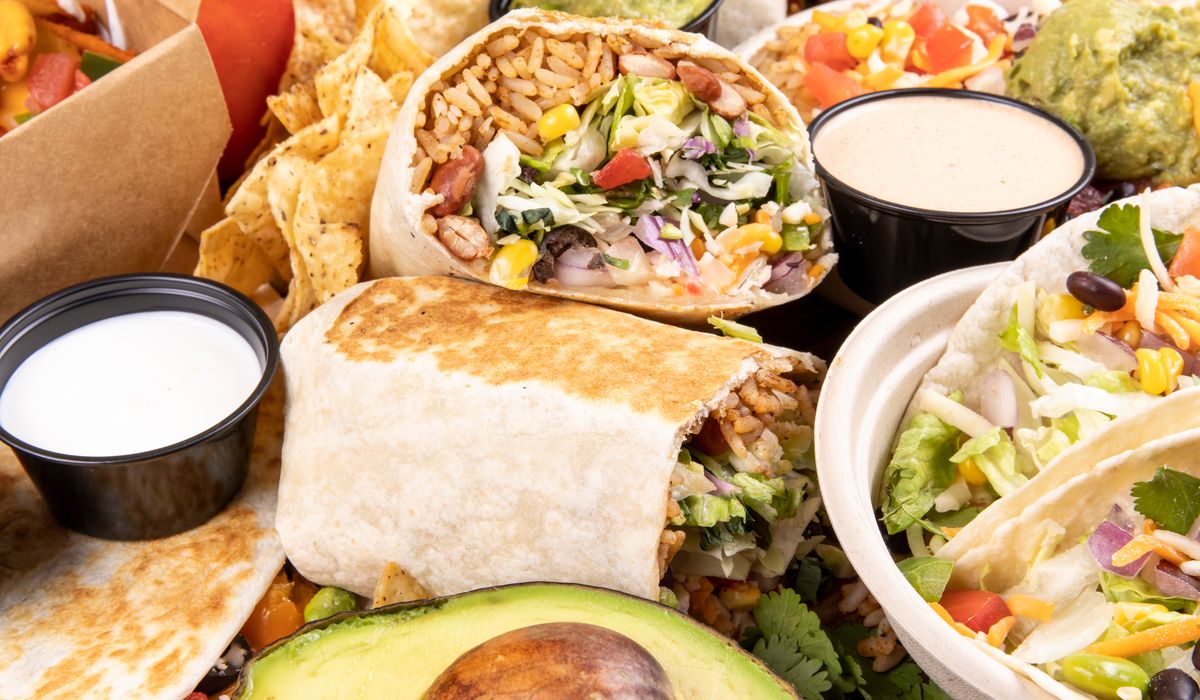
A viral gripe about the price of a burrito spiraled into a public fight among conservative commentators over how the GOP should talk about affordability ahead of the midterms, and that dispute exposes a bigger messaging problem for Republicans. The skirmish has been fueled by social media, with everyone from podcasters to pundits weighing in on tone and tactics. At stake is whether the party can translate policy into words voters actually hear and trust.
The original gripe started small and everyday — someone complained about the cost of a burrito — but it became shorthand for a larger argument about whether the GOP is connecting with voters on pocketbook issues. On one side are commentators urging a folks-first approach that sympathizes with people struggling to cover basic costs. On the other side are voices insisting the party should double down on structural arguments about taxes, regulation, and economic liberty.
From a Republican perspective, both impulses matter, but the public spat made the party look split at a time when unity on messaging would help. Voters care less about internal debates than about results: lower bills, steady jobs, and predictable prices. That means the GOP has to show how conservative ideas actually reduce costs and protect family budgets, not just argue abstract principles.
The burrito moment also highlights a common pitfall: tone deafness. When a discussion about affordability turns into mockery or an intellectual exercise, it reinforces the stereotype that conservatives are out of touch. We need communication that meets people where they are, names everyday expenses, and explains in clear terms how policy choices affect the grocery cart, the gas pump, and rent checks.
Social media turned this into a spectacle, which is both a risk and an opportunity. A single viral clip can shift the conversation away from policy onto personality, and that helps the other side. The smart play is quick, plain responses that reclaim the narrative and demonstrate competence instead of sparking weeks of internecine bickering.
Practical messaging should do three things: demonstrate empathy, offer concrete solutions, and make wins tangible. Empathy removes the accusation of indifference. Concrete solutions connect theory to outcomes, and tangible wins — lower fees, cleaner regulatory hurdles, more take-home pay — give voters something they can test against their daily lives.
There’s also a tactical element: avoid letting pundit fights become the story. That means leaders and campaign teams should set the frame early and refuse to be distracted by punditry that favors attention over discipline. The midterms will turn on whether Republicans can show they understand ordinary Americans’ concerns and have a credible plan to address them, not on who wins an argument about political style.

