

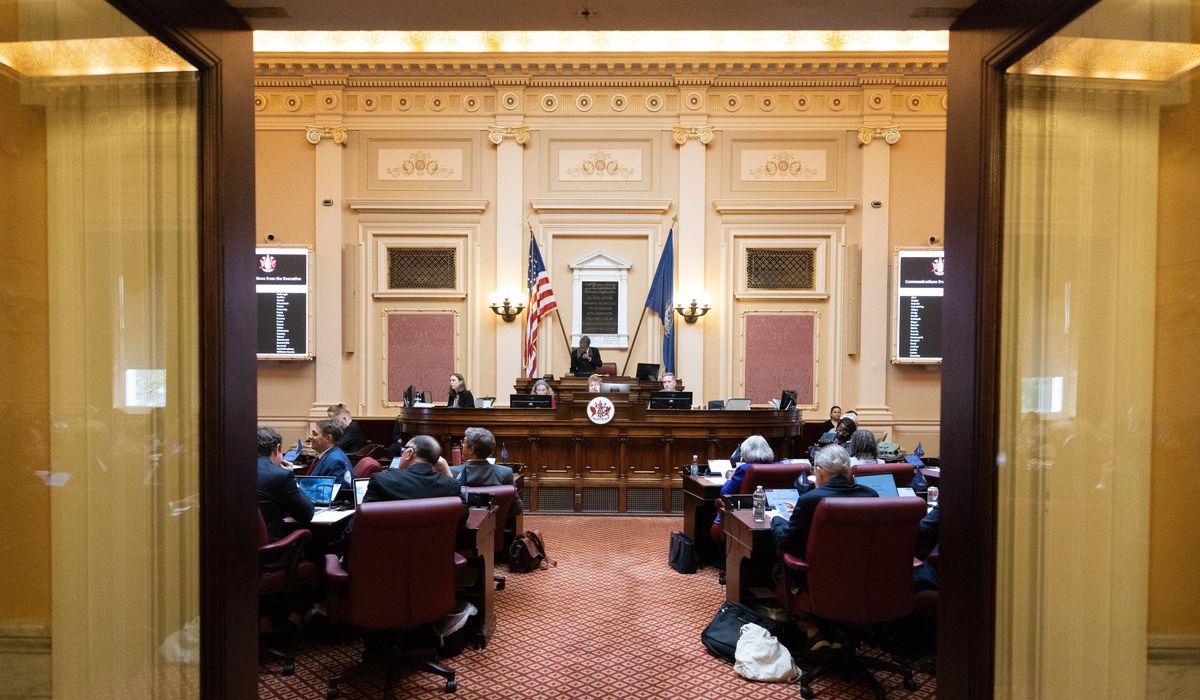
The Virginia state Senate on Friday approved a constitutional amendment to allow the Legislature to redraw the state’s congressional districts. This move shifts the debate back to elected officials and away from judges and appointed panels, and it is framed as a push for accountability and clearer lines of responsibility. The article explains what the change means, why many Republicans support it, and how the process would play out in practical terms.
The Virginia state Senate on Friday approved a constitutional amendment to allow the Legislature to redraw the state’s congressional districts. That vote marks a clear preference for legislative control over mapmaking rather than leaving the task to courts or independent commissions. For Republicans, the core argument is straightforward: voters can hold elected lawmakers accountable in a way they cannot hold unelected bodies accountable.
Supporters say returning map power to the legislature restores a basic democratic principle. When lawmakers draw boundaries, the people can reward or punish them at the ballot box if they abuse that power. That direct line of accountability appeals to voters who want decisions made by those they elect, not by panels that answer to no one.
Critics will point to the risk of partisan gerrymandering and argue that allowing legislators to draw maps invites self-dealing. Republicans counter that transparency rules and public hearings can reduce that risk and that competitive districts can emerge when elected officials know they face voters. The argument emphasizes clarity over secrecy, and responsibility over convenient scapegoats.
The amendment does not end judicial involvement entirely, because courts still serve as a backstop for constitutional violations. But the point from a Republican perspective is to keep the primary power with the people through their representatives. That setup preserves judicial review while making it a remedy rather than the default route for deciding political questions.
Rescinding map control from unelected commissions would also change incentives inside Richmond. Lawmakers who must explain and defend their maps in public hearings will face political tradeoffs they cannot avoid. The result, advocates say, should be maps that better reflect community ties and local needs because elected officials must answer to the same families and businesses that vote for them.
There is also a practical argument about timing and flexibility. Legislatures move more quickly than courts and can adjust details in response to new data or community feedback during the redistricting cycle. Republicans argue this agility is important for ensuring districts remain sensible and that small technical fixes are handled without years of litigation.
Transparency measures and procedural guardrails are central to selling this change to skeptical voters. Republicans propose open hearings, clear criteria for mapmaking, and published datasets so citizens can follow the work in real time. The message is simple: if legislators are in charge, at least citizens will know who to credit or blame.
Passing a constitutional amendment is only the first step in a longer process that typically includes additional legislative approval and, ultimately, voter ratification. Until voters weigh in, the amendment remains a legislative decision and a statement about how lawmakers want to manage representation going forward. Whatever comes next, this vote signals a preference for elected officials to manage the lines that shape who represents Virginia in Congress.

