

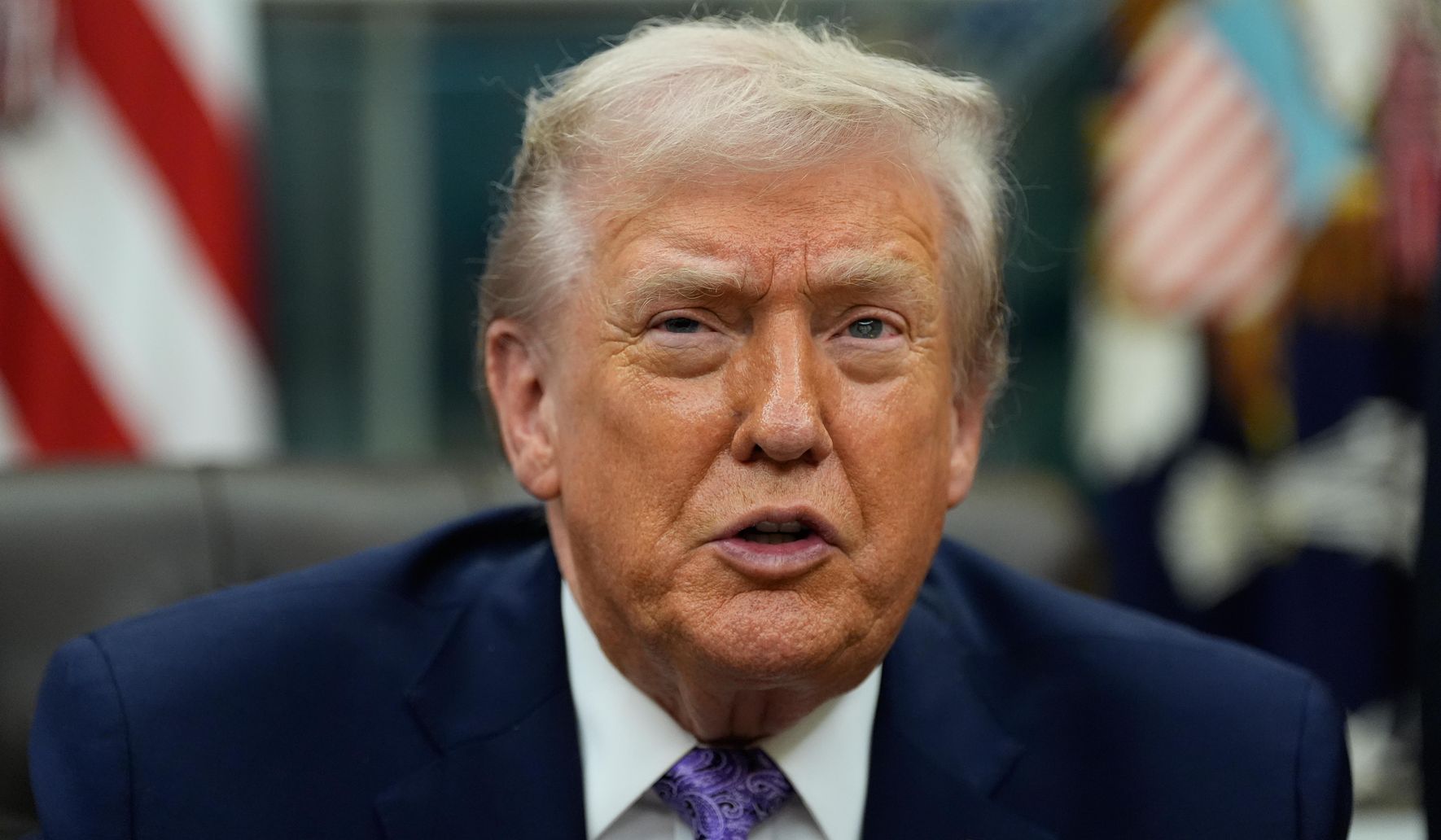
President Trump’s move on Greenland and threats of tariffs rattled markets, prompting a swift reaction from Wall Street and a broader debate about trade leverage, national sovereignty, and the right to use economic tools in diplomacy.
Wall Street stocks plummeted early Tuesday over President Trump’s threat to impose new tariffs on eight European countries for their resistance to his plans to claim Greenland. That sell-off underlines how markets can jump on headlines and how policy signals from the White House carry immediate financial consequences.
From a Republican standpoint, using tariffs as leverage is a blunt but effective tool in foreign policy. When diplomatic channels stall and partners push back against U.S. initiatives, economic pressure becomes the leverage Washington can deploy quickly and decisively.
Tariffs change incentives, and smart presidents use them to focus attention on issues that matter to American interests. If European resistance imperils U.S. strategic goals or blocks sensible negotiations over territory or access, applying pressure through trade policy is a legitimate option that puts a price on obstruction.
Critics will point to market volatility as proof the approach is reckless, but volatility is not the same as failure. Short-term market moves reflect uncertainty; they do not always forecast long-term outcomes of a policy that reasserts U.S. bargaining power.
Markets prefer predictability, and predictable strength often stabilizes markets faster than timid diplomacy that yields nothing. Standing firm can resolve disputes sooner by forcing a recalculation; dragging out negotiations for the sake of avoiding headlines can leave Americans paying the long-term cost.
There are risks, and Republicans should acknowledge them without surrendering principle. Tariffs can ripple through supply chains and hit consumers and companies, so setting clear objectives and timelines is crucial to avoid unnecessary economic harm while pushing for a strategic win.
At the same time, a president who communicates straightforwardly about his aims gives markets the chance to adjust. Clear, credible signals about intended duration and targeted sectors reduce speculation and let investors price risk more accurately, which ultimately limits extreme swings.
International law and diplomacy matter, and America should operate within norms while defending its interests. But the reality is that other nations often respond only when consequences bite, and tariffs are a nonviolent way to create those consequences and protect national priorities.
Republicans can argue for a balanced approach: use tariffs to gain leverage, but pair them with transparent goals and a willingness to negotiate. That combination applies pressure without being punitive for the sake of punishment, and it opens a path to deals that serve American workers and strategic aims.
The market reaction to these latest threats is a reminder that politics and finance are intertwined, and that leadership decisions echo through trading floors around the world. Smart policy accounts for that interplay and aims to convert short-term turbulence into long-term advantage for the country.
Ultimately, this episode is about asserting national will and using all legitimate tools to protect American interests. Republicans should support firm, clear strategies that defend sovereignty, leverage economic power wisely, and keep the long-term health of both the economy and the nation front and center.

