

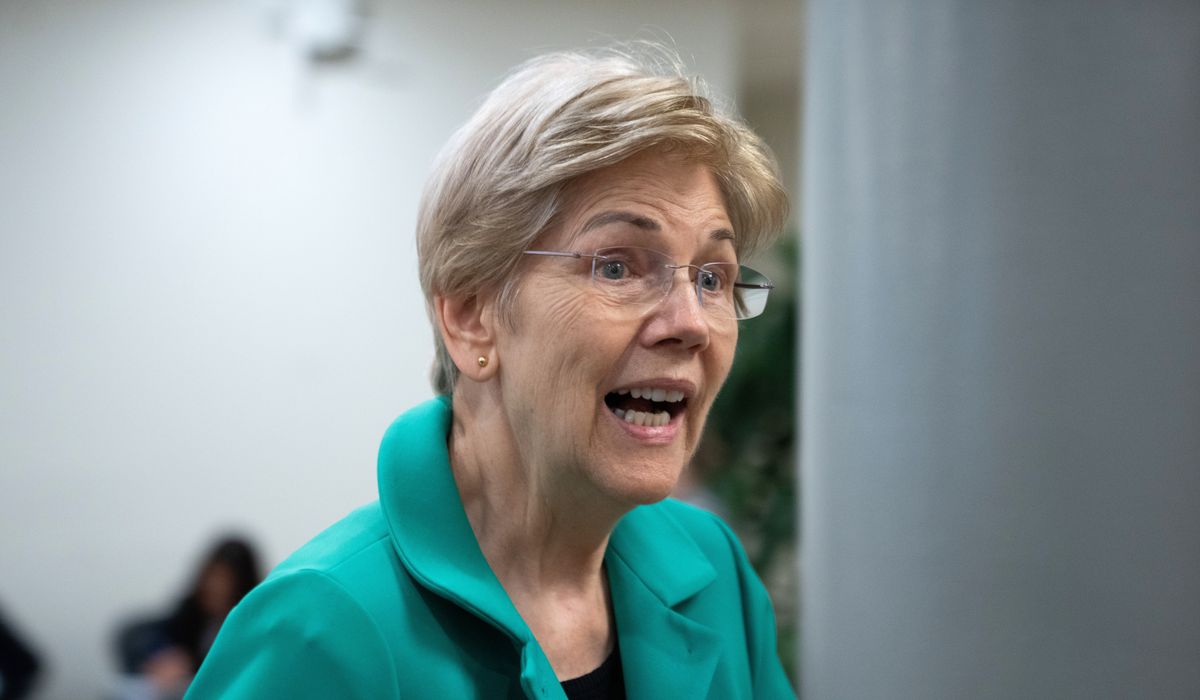
Sen. Elizabeth Warren has publicly pressed Health Secretary Robert F. Kennedy Jr. for explanations about what she calls “political corruption” and the part it may have played in the Trump administration’s response to public health matters.
Sen. Elizabeth Warren has escalated her criticism by demanding answers from Health Secretary Robert F. Kennedy Jr., invoking the phrase “political corruption” as the core concern. Her letter and public statements frame the issue as more than policy disagreement. The demand makes clear she expects a detailed accounting from the department leadership.
From a Republican standpoint, oversight is welcome but the tone here reads as performative. The Senate is supposed to dig into facts and hold officials accountable, not stage sound bites for political gain. Real scrutiny requires calm focus on documents and testimony, not theatrical rhetoric that drives headlines instead of evidence.
Kennedy, now serving as Health Secretary, faces a tough spot where transparency and management meet politics. Republicans argue the priority should be ensuring agencies deliver clear guidance and protect patient welfare. If there are problems, the remedy is procedural and legal, not simply louder accusations in public forums.
Warren’s use of “political corruption” is a strong charge, and strong charges demand strong proof. Republicans insist that Congress follow regular rules for oversight: request documents, hold depositions under oath, and cite specific instances where decisions were unduly influenced. Vague allegations do not substitute for tangible evidence that can be examined in committee.
The debate is also about incentives. When oversight shifts into political theater, agency staff get distracted and resources move from service delivery to legal defense. Republicans maintain that that dynamic harms patients and providers more than it helps voters looking for answers. Clear, narrow inquiries produce results; broad, ideologically driven attacks do not.
There is a balance to strike between vigorous checks on executive power and respect for the expertise of public health officials. Republicans emphasize results: did the department’s actions protect people and preserve liberties? If the answer is no, then remedies should be targeted and lawful. If the answer is yes, political accusations should not undermine public confidence.
Practical oversight looks like a documented trail, specific policy decisions, and an explanation of who advised whom and why. Republicans call for subpoenas only when requests for documents and testimony are refused. That preserves the dignity of the Senate while still delivering the accountability voters expect.
Media moments often substitute for governing, and that risks blurring two separate responsibilities: investigating wrongdoing and shaping policy. Republicans say the priority must remain protecting Americans from harm while letting committees work their way through facts. That is how meaningful answers are produced, not by piling on rhetoric that may satisfy partisans but does not advance understanding.
At the end of the day, the questions Warren raises should be answered on merits and in public records. Republicans will push for a methodical review that produces evidence rather than headlines. The public deserves clarity from the department and the Senate that does not trade slow, sober inquiry for cheap political points.
Whatever the outcome, the process matters. Republicans will insist on following established oversight tools and norms so any findings have weight and can lead to corrective action if needed. That approach serves both accountability and the long term stability of public health institutions.

