

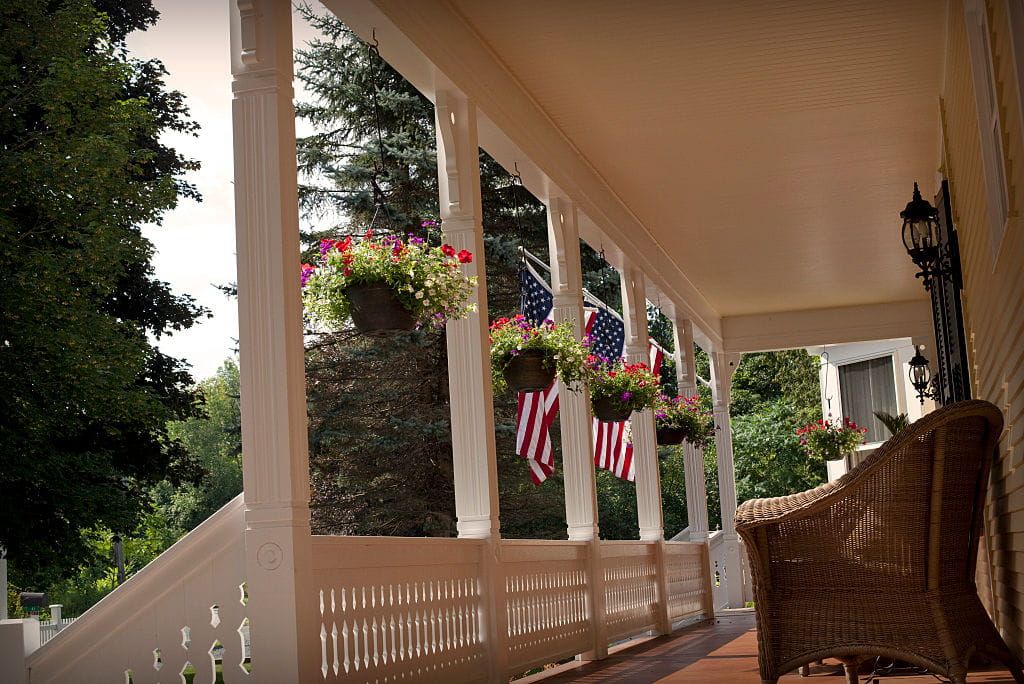
On Aug 16, 2026, this piece looks at the slow fade of the American front porch and why that simple, social space once central to neighborhood life has mostly disappeared from modern streets.
The front porch used to be a living room that faced the street, an in-between space where neighbors waved, kids played, and conversations happened without pretense. It was both a practical feature and a symbol of openness, a place to cool off in summer and watch the world go by. “We may be losing an important part of American tradition.” That line still rings true when you walk down many contemporary blocks and see stoops or garages instead.
Architects and historians point to a mix of design shifts and lifestyle changes that pushed porches out of front yards and into blueprints of the past. Smaller lots, deeper set-back garages, and modern floor plans favored private backyards and interior-focused living. As houses grew more efficient and indoor comforts improved, the porch lost its functional edge as a seasonal refuge.
Technology also played a role in the porch’s decline. With air conditioning, streaming entertainment, and private porches, families no longer needed that semi-public space to escape heat or boredom. Television and smartphones rerouted social life inward, replacing spontaneous sidewalk chats with scheduled digital interactions. The result is less casual, unplanned neighbor contact across communities.
Public safety and liability concerns contributed too. Rising worries about crime, and stricter enforcement of property rules by homeowners associations, nudged people away from open porches toward fenced yards and locked doors. When sitting outside feels risky or frowned upon, fewer people choose to linger where passerby interaction is unavoidable. That creates quieter streets and fewer chance encounters to build trust.
Urban planning choices aggravated the trend. Suburban sprawl prioritized cul-de-sacs and cul-de-sac living that often isolates houses rather than connects them. Parking lots and wider roads put distance between homes and the pedestrian life that once fed porch culture. When infrastructure favors cars over walking, there are fewer reasons to stay put on a porch watching neighbors pass by.
Cultural shifts matter as much as physical ones. The pace of modern life, longer commutes, and more multi-job households leave less time for afternoon lemonade and porch talk. Social norms changed as well; privacy is prized, and many prefer climate-controlled solitude to public-facing sociality. For younger generations, neighborhood ties are more likely to form online than on a shaded veranda.
Despite the decline, the porch still has comeback potential in pockets. Some designers and homeowners are reimagining porches as usable extensions of indoor space, adding comfortable seating, lighting, and weather protection that make lingering easier year-round. Small tweaks like wider steps, better seating, and visible front entries can nudge people back outside without major renovations.
Municipal policies can help too. Narrower streets, improved sidewalks, and zoning that encourages front-facing porches over garages can recreate the conditions for porch culture to thrive. Where local rules support human-scale design, people notice one another more and accidental interactions return, slowly knitting neighborhoods back together.
The front porch decline is not just an aesthetic loss; it’s a cultural shift with practical consequences for community cohesion. Reviving porch life won’t happen overnight and it won’t suit every block, but simple design choices and a willingness to sit outside can revive that old rhythm. Observing how other towns restore porches offers useful examples for anyone curious about rebuilding a neighborly public life.

