

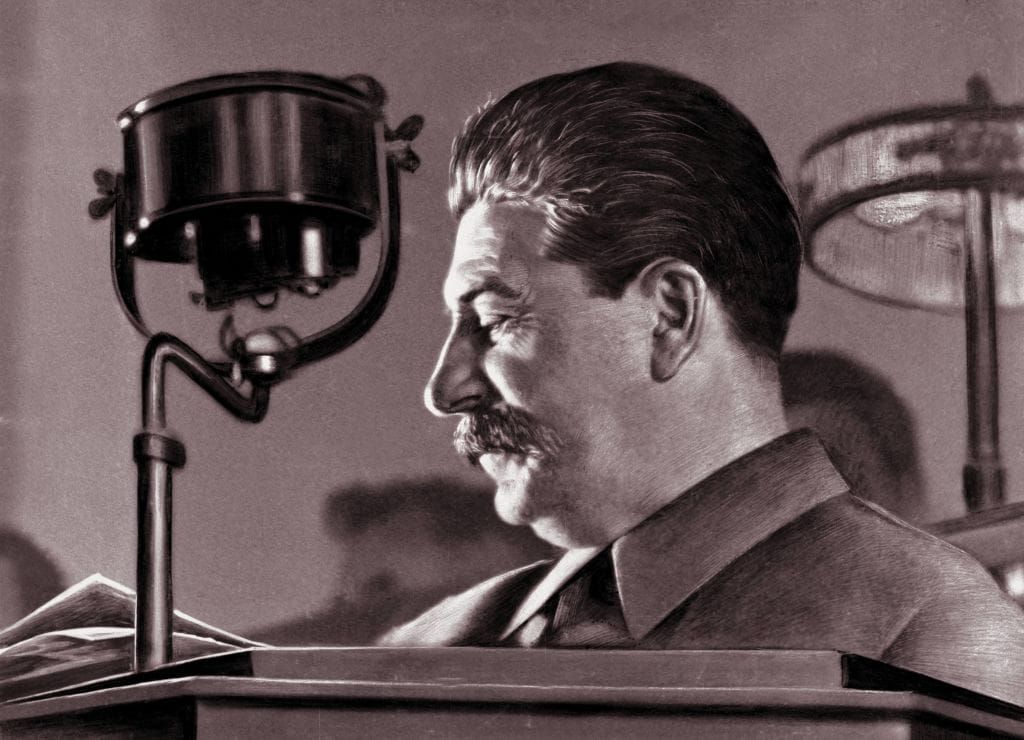
If past is prologue, more Americans had better understand the true history of socialism and communism.
Sep 8, 2026 is the date tied to a renewed debate over how ideologies that promise equality have actually played out in the real world. The discussion revisits numbers, policies, and the human toll, and it questions whether those lessons are being taught clearly to a new generation. This piece lays out a blunt review of causes, outcomes, and political implications without softening the stakes.
The core argument is simple: systems that centralize power and hollow out markets have repeatedly produced catastrophic outcomes. Those failures are visible across multiple countries and decades, and they tended to follow a similar arc — political coercion, economic collapse, and loss of personal freedoms. Pointing to patterns matters because policy choices are rarely neutral; they carry incentives and consequences.
On the economic side, planned economies create predictable shortages and debilitating inefficiencies. When enterprise is replaced by state allocation, production incentives vanish and innovation stalls, leaving citizens with fewer goods and poorer services. That economic stagnation then becomes a political threat, which regimes often counter with repression rather than reform.
Human costs are the clearest test. Millions suffered under regimes that claimed to be building utopia but delivered famine, purges, and brutal policing instead. Those outcomes are not abstract casualties; they represent families, livelihoods, and basic liberties stripped away in the name of an ideology. A sober account cannot ignore those facts when evaluating modern policy proposals.
Political patterns repeat too: power consolidates in cadres and party bosses, accountability collapses, and dissent is labeled treason. Once institutions meant to check power are neutralized, the machinery of coercion expands. The central lesson is that concentrating decision-making authority without robust checks invites abuse.
Cultural and educational levers play a role in how easily societies drift toward dangerous policies. When history is downplayed or sanitized, the next generation can be tempted by appealing slogans without understanding the trade-offs. That makes accurate history teaching essential to prevent repetition of costly mistakes.
There are also rhetorical tactics to watch: promises of free goods and guaranteed security often mask the trade-offs in liberty and prosperity. Political advocates may emphasize compassion while minimizing how their plans will be financed and enforced. Voters deserve clear answers about who makes the choices and what penalties may follow for failure.
Defenders of state-heavy solutions often point to noble intentions, and intentions do matter. Yet intentions do not negate outcomes, and repeated policy failures deserve more scrutiny than platitudes. A politically serious conversation should weigh both motives and measurable results.
Practical policy alternatives exist that protect liberty while addressing real needs, but they require honest trade-off analysis. Strengthening civil society, empowering local solutions, and allowing private enterprise to compete can lift living standards without sacrificing freedom. History suggests decentralizing control tends to preserve innovation and personal autonomy.
Political messaging on this subject matters because it shapes incentives for lawmakers and voters alike. Honest language about costs, limits, and incentives is a civic duty, not an optional rhetorical flourish. A clear-eyed case for free institutions must be offered alongside compassion for those who struggle.
International comparisons reinforce the point: nations that embraced market mechanisms tended to produce more prosperity and political openness than those that doubled down on centralized control. That is not to ignore complexity or the need for targeted social supports, but it is a reality that weighs on policy choices. Real solutions blend responsibility with opportunity.
There is a moral dimension too: protecting individual rights and the rule of law creates the conditions for human flourishing. Systems that erode property rights and free speech inevitably narrow the space for human creativity and dissent. Politics that prizes freedom over coercion builds more durable prosperity over the long run.
Public debate should be honest about past tragedies and practical about future options. If citizens study history and demand accountability, they are more likely to reject policies with dangerous precedents. That vigilance is a democratic responsibility that keeps power checked and liberty alive.
Joseph Stalin, 1944 — (Photo by Laski Diffusion/Getty Images)

