

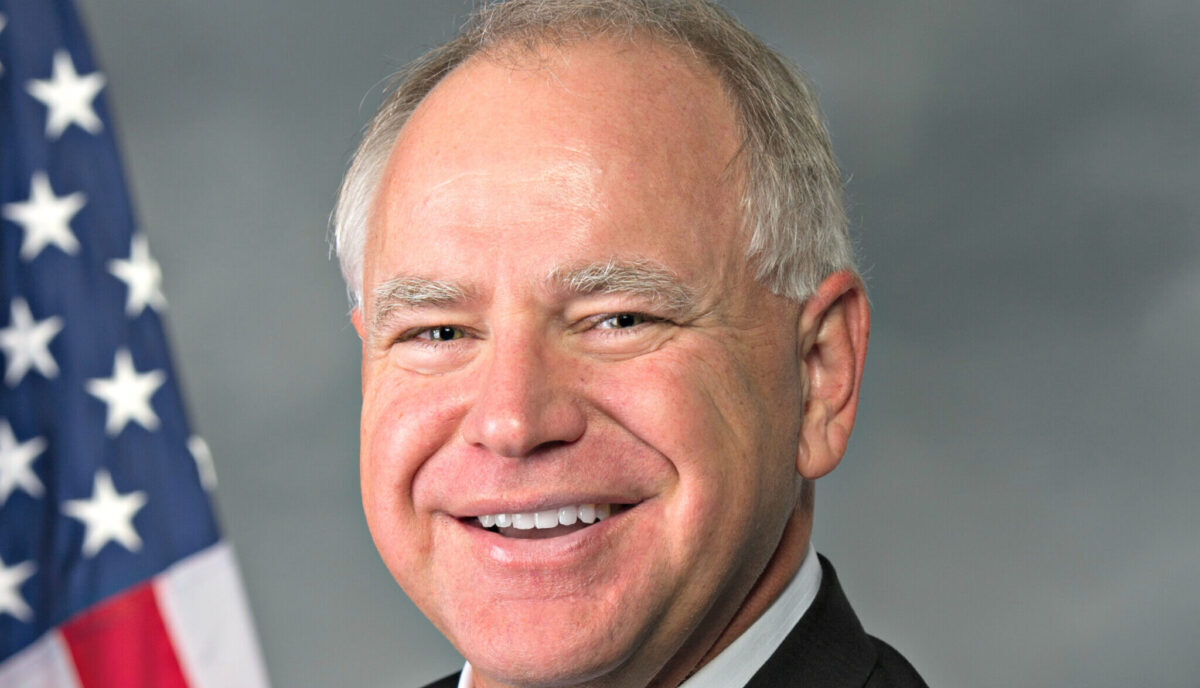
Gov. Tim Walz faces accusations from hundreds of state employees who say he allowed widespread fraud in Minnesota’s social programs and retaliated against those who raised alarms.
Republican critics are pushing a hardline narrative: whistleblowers say the governor protected the wrong people and blocked efforts to stop theft from taxpayers. Those claims are serious and come with specific allegations about retaliation, bad hires, and broken oversight. The story centers on state employees, federal prosecutions that already convicted dozens, and the political fallout for Walz.
Whistleblowers say the problem was visible for years but ignored by agency leaders picked by the governor. They accuse Walz of appointing people who “willfully disregarded rules and laws to keep fraud reports quiet” and who were “not qualified for their jobs, instead getting leadership jobs via Tim Walz’s friendship.” Those are not small staffing complaints; they describe a system that, according to insiders, shut down internal reporting.
One anonymous source amplified by the Minnesota Staff Fraud Reporting X account put the blame squarely on Walz, saying, “Tim Walz is 100% responsible for massive fraud in Minnesota.” That blunt statement has fueled calls for more aggressive federal scrutiny and for Republican officials to demand answers. The quote has become a rallying point for those who believe the scandal isn’t just about bad actors but about leadership that tolerated the theft.
Federal prosecutors have already nailed 59 people tied to three schemes that allegedly siphoned about $1 billion in taxpayer dollars. Those convictions show the scale of the problem and give muscle to the whistleblowers’ claims that this was not isolated fraud. Now critics want prosecutors to consider whether leadership decisions and alleged retaliation should be part of ongoing inquiries.
Political consequences are immediate. Walz’s national profile grew after he ran as former Vice President Kamala Harris’s running mate, and Democrats once mentioned him as a 2028 contender. That window looks narrower now as opponents highlight the allegations and the convictions, arguing that leadership failures at the top are different from ordinary political missteps. For Republicans, this is a chance to press for accountability and to challenge a narrative that Democrats have been running on competence.
Trump’s Thanksgiving remarks about Walz stirred the pot earlier and now look like foreshadowing to critics who say the governor helped political allies and certain communities at the expense of enforcement. The coverage points to a particular complaint: that Walz was too protective of Minnesota’s large Somali community and not aggressive enough in rooting out fraud tied to welfare programs. Those claims mixed politics and policy, and they’re being used to argue for firmer oversight.
Whistleblowers say they tried to work with the governor’s office and were rebuffed, describing efforts to silence them rather than fix the problem. “We let Tim Walz know of fraud early on, hoping for a partnership in stopping fraud but no, we got the opposite response. Tim Walz systematically retaliated against whistleblowers using monitoring, threats, repression, and did his best to discredit fraud reports.” That passage, released via social posts, reads as both a plea and an accusation against the governor’s handling of internal dissent.
For governors and lawmakers across the country, this episode raises policy questions about how social services are administered and how whistleblowers are protected. Republicans argue that stronger accountability, tougher oversight, and real protections for employees who report fraud are necessary to prevent taxpayer dollars from being wasted. Democrats will push back that the issue should not be turned into a political weapon, but the convictions already on the record complicate that defense.
The legal and political dust is far from settled. Prosecutors could expand investigations to include those who allegedly enabled defendants, and that possibility keeps the pressure on Walz. Meanwhile, Republican voices are mobilizing to demand transparency and to ensure that whistleblowers get a fair hearing rather than punishment for speaking up.
As investigations proceed, the story will test how seriously state and federal officials take allegations about leadership failures and alleged retaliation. Voters and watchdogs will be watching whether reforms follow or whether the case becomes another example of politics protecting process failures. For now, the claims, the convictions, and the quotes from insiders have created a sustained political headache for the governor and his allies.


1 Comment
Yet another criminal who continues to walk for his heinous crimes. Why the double standard?