

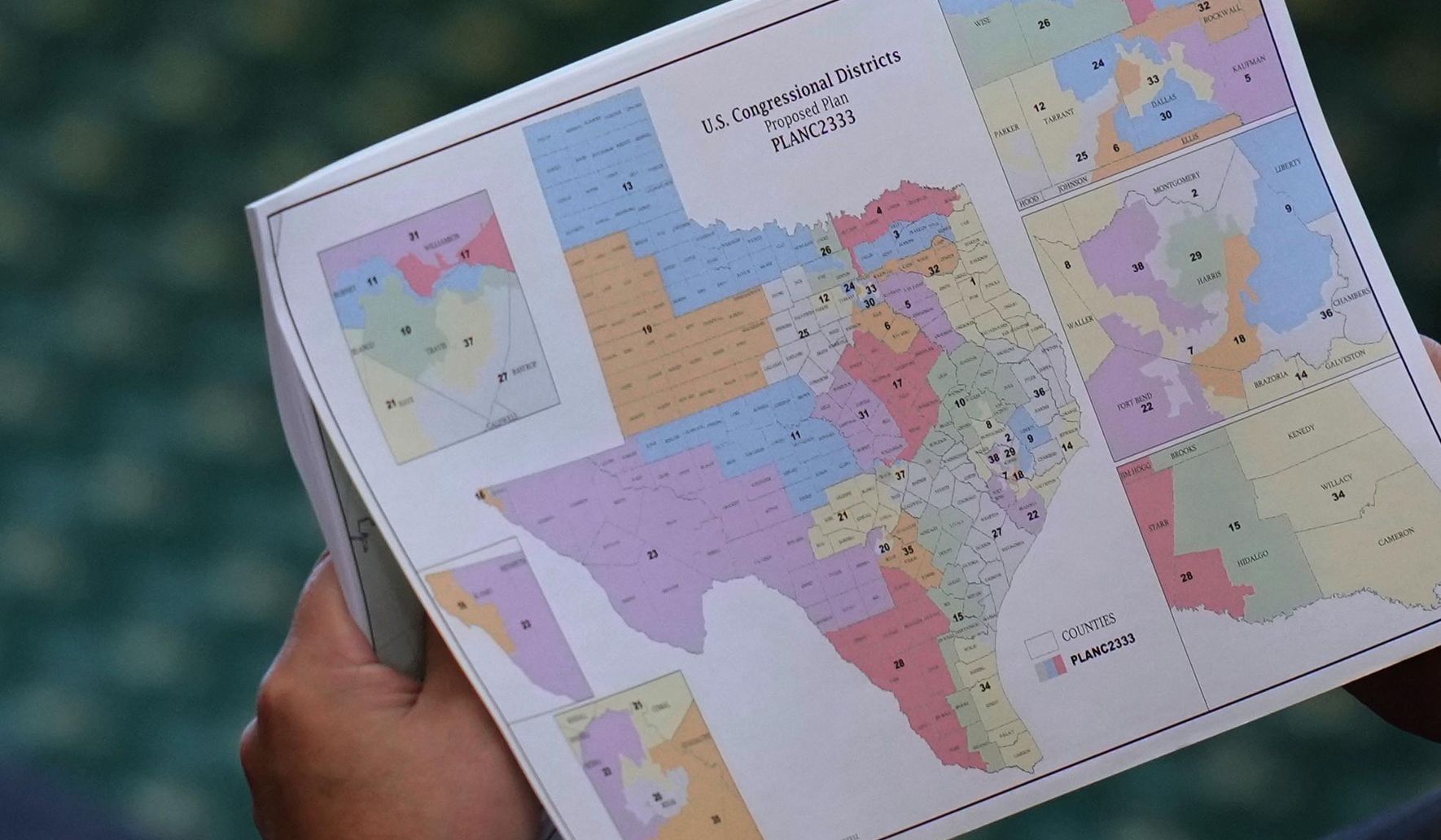
The Supreme Court ruled Thursday that Texas can proceed with its new Republican-drawn congressional map for the 2026 midterm elections, overturning a lower court decision that found the redistricting
The Supreme Court’s action clears the way for Texas to use the map Republicans approved, and it represents a major legal win for those who argued state lawmakers have the authority to set congressional boundaries. Supporters framed the decision as a victory for voters and state sovereignty, saying it respects the political process rather than substituting federal courts’ judgment for elected officials. Opponents immediately voiced concern about fairness and representation, setting up an intense political debate ahead of the 2026 midterms.
For Republicans in Texas and beyond, the ruling is straightforward: the map stands and candidates can plan accordingly. Party strategists see clarity where there was chaos, and campaigns that were shifting resources because of the lower court ruling can now recalibrate with a stable map. That certainty matters when races are measured in tens of thousands of votes and when national groups decide where to invest time and money.
Judicial restraint was a common theme among those who welcomed the decision, who argued the courts should avoid second-guessing legislative redistricting absent clear constitutional violations. From this perspective, the Supreme Court put a brake on federal intervention and returned authority to state lawmakers chosen by voters. That line of reasoning appeals to conservatives who favor limited federal oversight and deference to state-level political choices.
Critics say the outcome underscores how partisan power can shape electoral rules to advantage the majority party and that the process will intensify efforts to litigate redistricting in other states. Expect organized legal challenges and political messaging to continue as part of a broader fight over how districts are drawn nationwide. Both sides understand that maps can determine who controls Congress and the practical consequences for policy in Washington.
Practically speaking, the ruling affects how candidates file, where they campaign, and how donors allocate resources. House hopefuls and incumbents will now evaluate their chances under the map Republicans drew, adjusting volunteer networks, advertising plans, and ground operations accordingly. For national party committees, a final map reduces uncertainty about target districts and can sharpen fundraising priorities for the midterms.
Beyond campaigns, the decision will be touted by Republican officials as proof that their approach to redistricting is legally defensible and politically effective. That messaging emphasizes stability and respect for the political process, while painting critics as seeking judicial remedies for political losses. In turn, Democrats are likely to use the ruling to rally voters who are skeptical of partisan mapmaking and to push for reforms that limit lawmakers’ ability to redraw lines.
The practical legal landscape after the ruling is simpler but still contested, since debates over redistricting standards and voting rights remain active across the country. While this particular map moves forward in Texas, the broader conversation about how to balance partisan interests, community representation, and legal protections will continue in state legislatures and courts. Each ruling and legislative session builds precedent that will shape the next round of maps and the political battles that follow.
Looking toward 2026, the map’s approval shapes the playing field for voters, parties, and candidates alike, setting expectations for the campaign calendar and strategic decisions. With the map now in place, attention turns to organizing, messaging, and turnout efforts that will decide who wins under these new lines. The Supreme Court’s ruling has done more than resolve a legal dispute; it has reset the clock for electoral strategy in a state of growing national importance.

