

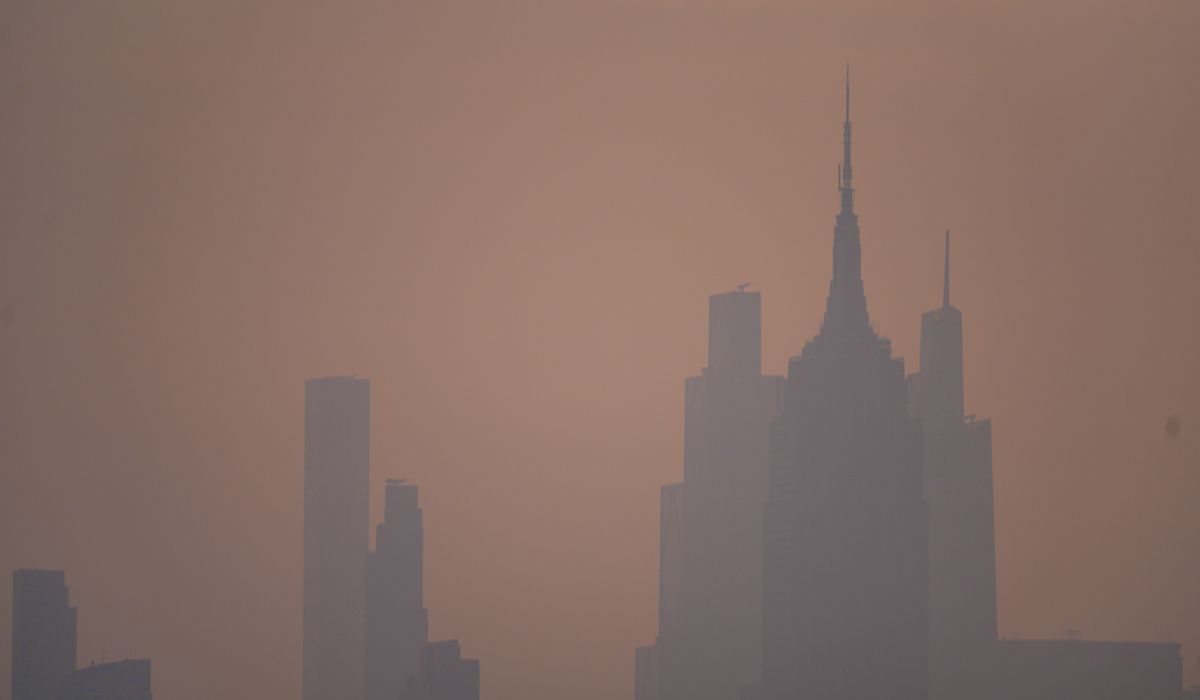
Smoke from nearby wildfires has cast uncertainty over the lead-up to Sunday’s Spain versus Argentina World Cup final, with officials, meteorologists, teams and fans watching the skies as conditions could change before kickoff.
Organizers, health authorities and broadcasters have been tracking smoke plumes as they drift toward the host city, creating a logistical and health challenge in real time. Emergency services are sharing air quality updates and contingency options, while stadium staff report reduced visibility during inspections. The situation is dynamic, and small shifts in wind or humidity could alter the forecast by game time.
“Wildfire smoke is clouding the countdown to Sunday’s Spain-Argentina World Cup final, and it’s still unclear whether conditions will worsen by kickoff.” That line captures the current picture: a high-profile match with an unpredictable environmental factor. Officials are balancing the need to hold the event on schedule with concerns about fan safety and broadcast quality.
Air quality indices in affected neighborhoods rose quickly after smoke arrived, prompting local health recommendations for people with respiratory issues to limit outdoor exposure. Stadiums often have large ventilation systems, but an influx of smoky air can bypass those protections, and spectators could still feel effects. Medical teams are on heightened alert and first-aid tents will be better stocked than usual.
Broadcasters are monitoring visibility for live coverage, since heavy smoke can change camera clarity and color balance on air. Producers are making backup plans for commentary positions and camera placements if the haze worsens. There is also a risk that aerial shots and fan celebrations in the stands could look muted compared with expectations.
Players and coaching staffs are consulting their medical teams about potential performance impacts, especially on players with asthma or other breathing concerns. Training sessions earlier in the week were adjusted to reduce exposure, and teams have access to indoor recovery spaces. Still, elite athletes often push through marginal conditions, which leaves more responsibility on organizers to advise and protect fans.
Travel and access to the stadium are another concern since wildfire response can change road priorities and emergency vehicle routes. Authorities are coordinating to keep key corridors open and to provide clear guidance for incoming fans. Organizers have urged attendees to arrive early and to follow official updates via venue channels.
Meteorologists say the main factors to watch are wind direction, humidity and any new ignition points that could shift the smoke layer. A shift in wind a few degrees could clear the stadium or channel thicker haze over the city within hours. Forecast models are being updated frequently and shared with decision makers to inform any last-minute adjustments.
There are precedents for sports events proceeding under smoky skies, where organizers added extra medical staff and communicated mitigation steps clearly to attendees. That approach depends on transparent, timely information, and officials are stressing the importance of listening to local health guidance. Fans should expect visible preparations and the possibility of instructions before or during the match.
In short, the countdown to the Spain-Argentina final continues under a cloud of uncertainty, with multiple agencies and teams working to keep the event safe and watchable. Fans, broadcasters and players are all watching the same weather updates that will help determine how the evening unfolds. If conditions change, authorities say they will act to prioritize safety while trying to preserve the spectacle of the final.

