

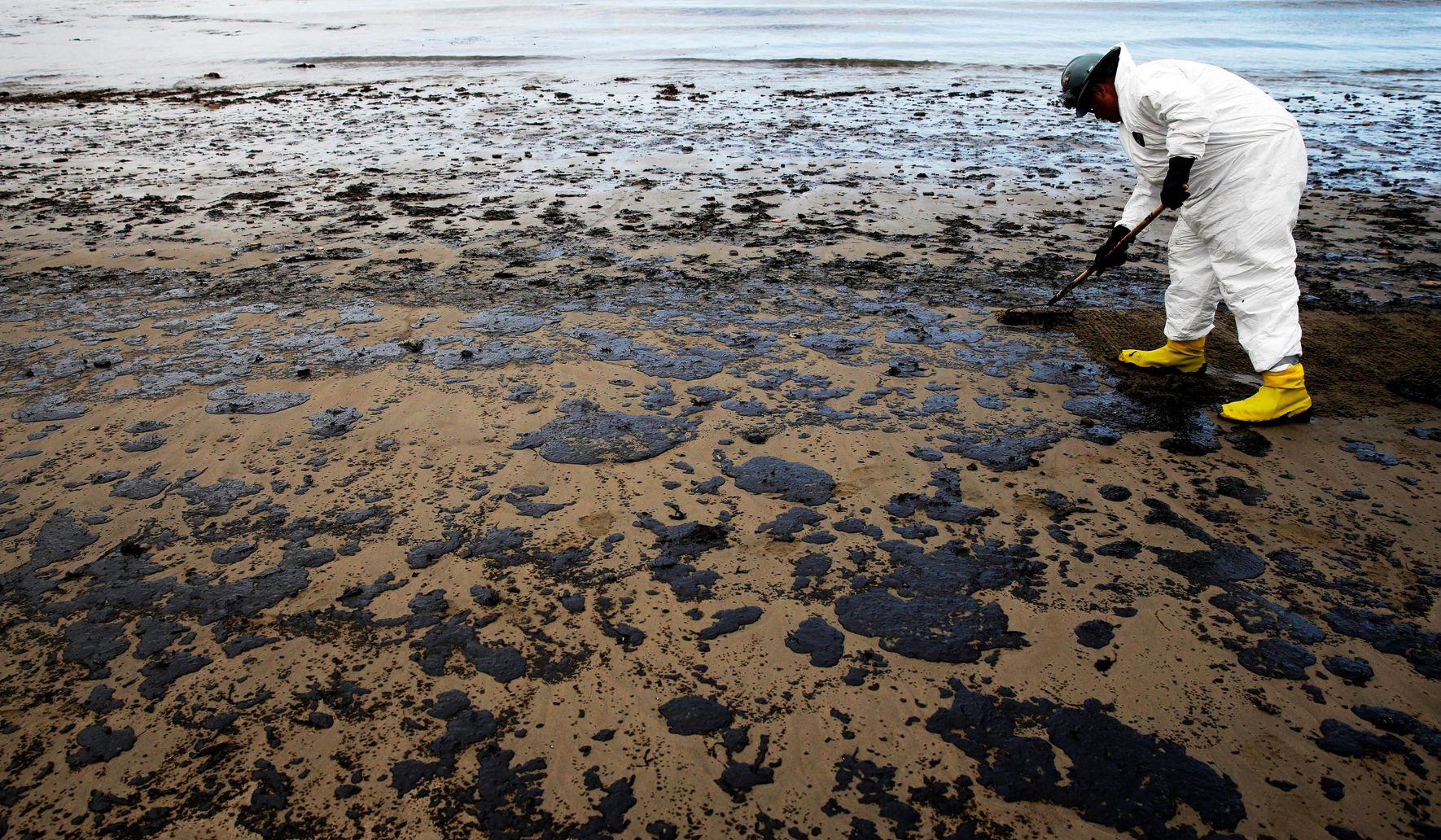
U.S. Energy Secretary Chris Wright has directed a Texas-based oil and gas company to restore operations in waters off southern California that were damaged by a 2015 oil spill, invoking the Defense
The order came from U.S. Energy Secretary Chris Wright and targets a Texas-based oil and gas company whose operations were still affected by a 2015 spill. Federal intervention was used, with the directive described as “invoking the Defense” in the original notice. That language signals an unusual level of federal involvement in a recovery and repair effort linked to an older incident.
This action raises questions about who is responsible for fixing long-standing damage and how far Washington should go to force a cleanup. From a Republican perspective, private industry should bear the cost and lead the work, with the government enforcing standards but not substituting for corporate responsibility. Still, the state of the coastal operations matters to the communities that rely on steady, reliable energy and maritime activity.
Local jobs and commercial activity depend on functioning coastal infrastructure, so restoring operations is not just about corporate balance sheets. Repair work can mean contracting local firms, paying crews, and moving supplies that support working families and regional economies. A recovery plan that rushes to punitive federal measures risks sidelining quicker, market-driven fixes that preserve employment and service continuity.
At the same time, a company that allowed damage to linger for years has to answer for that lapse. Accountability matters, and enforcement can be justified when voluntary remedies stall or when public safety and commerce are at stake. Republicans often prefer enforcement that is targeted, transparent, and predictable rather than broad, open-ended authority that creates uncertainty for investors and employees.
Invoking federal power here — especially described as “invoking the Defense” — sets a precedent worth watching. Using extraordinary authority to compel private action can be appropriate in genuine national emergencies, but it should remain a narrow tool. Lawmakers and regulators should clarify when such powers apply so businesses know the boundaries and communities know their protections.
Environmental repair and operational restoration are not mutually exclusive goals. Practical, well-supervised remediation can protect coastal habitat while getting platforms, pipelines, and support services back to work. A clear timeline, measured oversight, and reliance on proven engineering and cleanup firms will move the project forward without needless delay or excess cost.
Policy should push companies to maintain robust contingency plans so one spill does not produce multi-decade disruption. Incentives for better maintenance, stronger bonding requirements, and faster enforcement mechanisms can all reduce the likelihood that taxpayers or extreme federal measures must step in. Those approaches align with a pro-growth view that holds operators accountable while preserving incentives to invest in reliable, domestic energy infrastructure.
In short, the directive to restore operations highlights a clash between the need for accountability and the preference for private-sector solutions. The priority now should be restoring coastal operations quickly and safely, making sure affected workers and communities are considered, and ensuring future incidents are less disruptive because industry standards and oversight are strengthened.

