

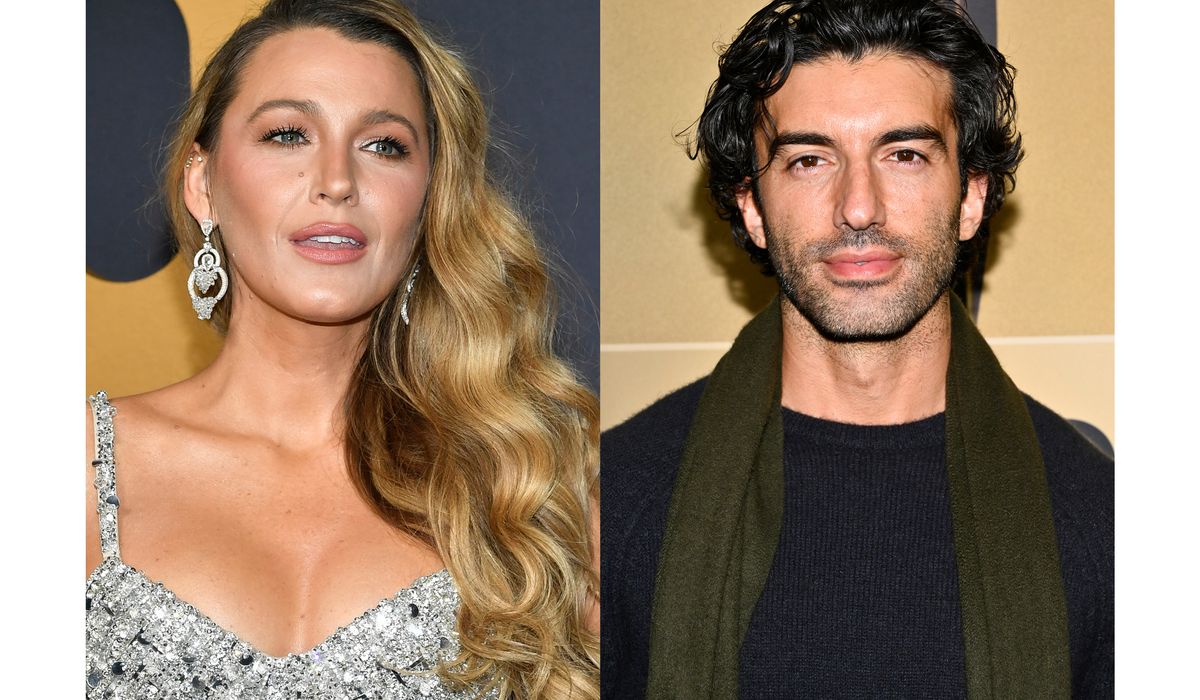
The bitter public feud between actors Blake Lively and Justin Baldoni may outlive their court fight after all. This piece lays out how public sparring, legal filings, and celebrity reputations are colliding in a case that has become about more than claims on paper. Expect a look at what has been said publicly, how courts handle high-profile disputes, and what this means for the people watching and the people involved.
The dispute between Blake Lively and Justin Baldoni began in the headlines and has stayed there as both sides have made public moves that amplify the stakes. Court filings reveal legal arguments, but social media and media outlets have turned private disagreements into a public drama. When actors are involved, every post and statement becomes part of the narrative and affects how audiences perceive the conflict.
Celebrity legal fights carry extra baggage because they play out in two arenas: the courtroom and public opinion. Lawyers tend to focus on evidence and procedure, but PR teams and social posts shape the story that most people remember. That dual pressure can push negotiations, change tactics, and make settlements harder to reach when reputations and careers feel at risk.
For the principals, the practical issues in a dispute like this are often straightforward even if the headlines make them seem explosive. Contracts, alleged breaches, or personal disputes translate into claims that judges and juries are asked to sort through. Still, the surrounding publicity raises the possibility that decisions will be influenced by how each side presents itself outside of courtrooms.
Industry colleagues and fans tend to pick sides quickly, which creates a feedback loop for both parties. Supporters amplify statements and opponents dig into past actions, turning a limited disagreement into a broader reputational contest. That dynamic can make it harder to resolve disputes quietly or to return to normal professional routines.
Courts handling high-profile cases must balance public interest with legal fairness, and judges sometimes issue gag orders or protective measures to limit publicity. Those steps can slow the spread of damaging leaks but do not erase what already circulates online and in tabloids. The legal process moves at its own pace while the public conversation races ahead.
Another factor is the commercial impact on careers. Casting directors, brands, and studios monitor controversies and factor them into decisions about future projects. A prolonged public fight can influence casting calls, endorsements, and partnerships, making the financial and professional cost significant even if the legal claim is modest.
Financial settlement is a common endpoint because it resolves claims without a trial and limits further publicity, but not every party prefers that route. Some choose litigation to establish a legal record or to deter future claims, especially when reputation or principle is on the line. The choice between settlement and trial shapes both timing and outcome.
Observers should also watch for shifts in strategy as the case develops. Parties may change tone, drop certain claims, or file counterclaims to adjust leverage. Media coverage, legal milestones, and third-party reactions will influence those moves and determine whether the dispute cools down or keeps fueling headlines.
At its core, the situation shows how personal conflicts among public figures rarely stay private for long. Legal arguments and public statements now form a single, intertwined story, and the outcome could affect more than the immediate claim. For anyone following the news, the Lively and Baldoni situation is a reminder that modern disputes are fought both inside courtrooms and across social platforms.

