

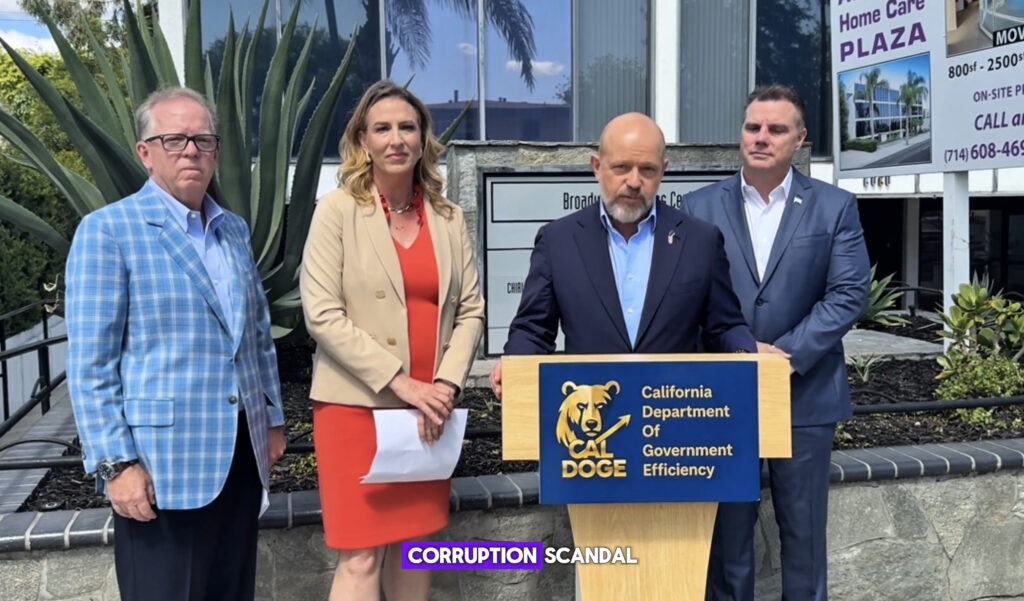
This piece outlines how organizations labeled as non-governmental can function like government proxies, channeling public funds into private hands and operating with weak oversight.
Non-governmental organizations frequently aren’t non-governmental in practice. Many accept government grants, contracts, or cooperative agreements and then carry out activities that look private but are effectively extensions of state policy. That financial and operational closeness blurs lines between public responsibility and private privilege, leaving taxpayers and citizens unsure who is actually accountable.
At the heart of the problem is how funds move. State budgets and international aid often land in the accounts of organizations classified as NGOs, and from there the money supports projects, salaries, lobbying, or other uses that escape the usual public scrutiny. When government money is diverted into private bank accounts for private activity, standard controls like open bidding, public reporting, and legislative oversight can be bypassed.
This arrangement creates predictable incentives. Organizations chasing grants tailor their priorities to fit government funding streams, not necessarily to serve the communities they claim to represent. That turns civil society into an echo chamber for bureaucratic priorities, and it rewards organizations that are good at securing public dollars instead of those that are most effective at delivering results.
There is also a sovereignty angle that resonates with conservative instincts. When domestic groups are funded indirectly through government channels, the picture gets murkier for policy influence and foreign entanglements. Overseas grants routed through NGOs can carry foreign policy consequences that never passed before Congress or the public, and domestic grants can insulate government choices from political accountability.
Accountability suffers in several ways. Reporting requirements tend to be lighter for private entities, and auditing often happens internally or through contracted firms that lack teeth. Whistleblowers and oversight bodies face practical obstacles when transactions move through layers of intermediaries and private accounts. The result is a shadow budget, where important decisions and spending occur out of sight.
Transparency is not just a moral demand, it is a practical necessity for good governance. When NGOs act as indistinct extensions of government, it undermines public trust in both sectors. Citizens deserve clarity about who sets priorities, who receives funds, and how outcomes are measured, yet current structures frequently obscure all three.
The legal and regulatory framework contributes to the confusion. Definitions of what constitutes a government actor versus a private nonprofit are often porous, and enforcement varies by jurisdiction. That patchwork leaves openings for creative accounting, contractual arrangements that transfer risk and responsibility, and legal interpretations that favor secrecy over disclosure.
Economics matters too. Large flows of public money into a few well-connected organizations concentrate influence and create dependency. Smaller groups with grassroots footing struggle to compete for funding even when they deliver better outcomes, because the system rewards scale and political savvy. That distorts the nonprofit sector and shifts resources toward administrative overhead and fundraising rather than front-line services.
There are real-world consequences when public funds are used without clear accountability. Programs can persist despite poor results because they have powerful bureaucratic backers and steady revenue streams. Policy debates become skewed when major implementers also function as influential advocates, blending service delivery with lobbying in ways that are hard to disentangle.
Reforming this space means facing uncomfortable trade-offs between flexibility and oversight. Some degree of private implementation is often practical and efficient, but it must come with rigorous transparency, clear contracting rules, independent audits, and meaningful consequences for misuse. Without those guardrails, the public interest gets diluted and the line between public service and private gain keeps getting thinner.
In short, calling something non-governmental does not make it independent, and the flow of state funding into private accounts can create private activity that operates beyond usual checks and balances. That reality reshapes how policy is made, how money is spent, and how citizens can hold power to account, and it deserves scrutiny from every quarter concerned with honest, effective governance.

