
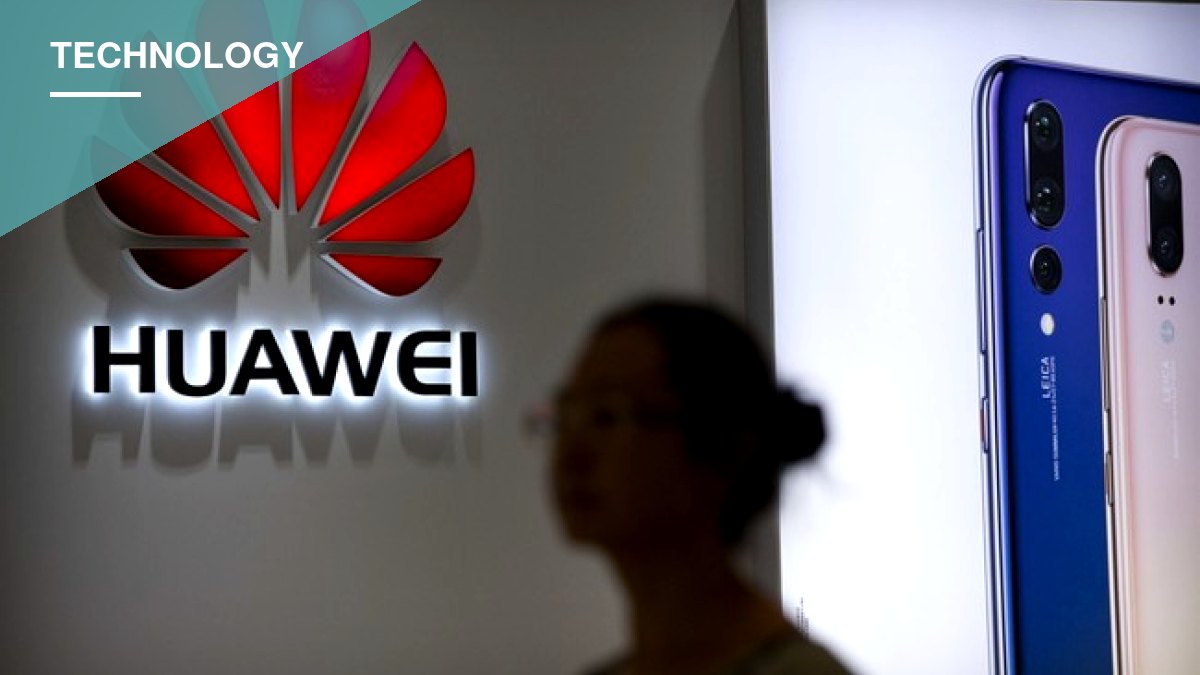
A federal jury in Brooklyn convicted Chinese telecommunications giant Huawei on Tuesday of 10 of 12 criminal counts, including bank fraud, wire fraud, violations of U.S. sanctions law, and conspiracy to steal trade secrets from American companies. Jurors acquitted the company on a racketeering conspiracy charge that had accused Huawei of operating as a criminal enterprise.
The case centered on allegations that Huawei misled banks about its business dealings in Iran and improperly obtained proprietary technology from American firms. The prosecution traces back to 2018, and in 2019 the U.S. government placed Huawei on a trade blacklist restricting its access to American technology over national security concerns.
Huawei is a privately held company with a vast domestic customer base in China, which gives it some insulation from the reputational and commercial fallout of a U.S. conviction, even as the ruling may complicate its efforts to expand internationally among governments and customers already wary of its practices.
A Bigger Fight Over AI Chips
While Huawei is best known to many Americans for phones and networking equipment, the company has been pushing hard into artificial intelligence hardware, positioning itself as a rival to U.S. chipmaker Nvidia. In September, Huawei announced plans to release two advanced AI chips in 2027 as part of a broader effort to cut China’s reliance on American semiconductor technology.
Huawei’s Ascend line of processors is built to compete with Nvidia’s AI accelerators, the chips used to train and run large AI models. The Wall Street Journal reported last Friday that Chinese AI developer DeepSeek is training its next major model using Huawei’s chips.
The timing adds weight to Tuesday’s verdict. Nvidia has had its own turbulent week: CEO Jensen Huang was reinstated after being ousted, a move President Trump welcomed while stressing the importance of complying with U.S. export controls. Nvidia’s stock jumped more than 31 percent on the news Monday, while shares of Anthropic, a newly public AI developer, slipped 1.4 percent even as the broader tech sector rallied.
Before his ouster, Huang had been a vocal backer of open-source AI development, an approach that could undercut the business models of proprietary AI companies like Anthropic. Chinese developers have been moving aggressively toward open-weight AI models of their own, while Huawei works to build the domestic chip infrastructure to run them.
There’s a national security angle as well. Reuters reported last week that China is still seeking advanced American processors for military AI applications despite existing export restrictions, even though Chinese-made chips reportedly continue to lag behind the most advanced Nvidia and AMD products.
The Huawei conviction raises a broader question that export-control policy will have to answer in the months ahead: whether current U.S. restrictions preserve Nvidia’s technological lead, or instead push China’s semiconductor industry to develop faster on its own.