

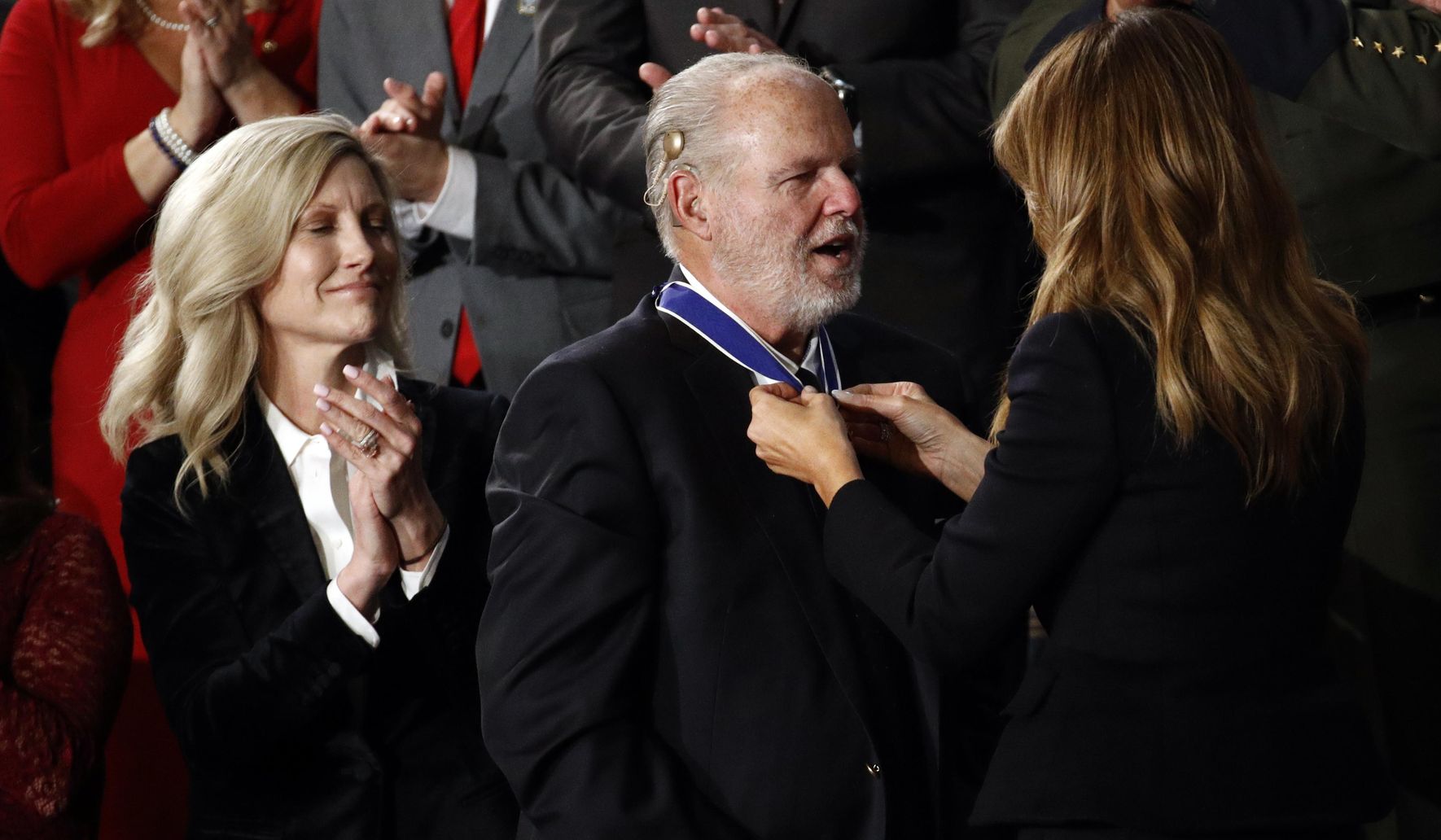
This piece looks at the 15 most striking “guestbook” selections Donald Trump has used during past State of the Union addresses and how those curated moments shaped messaging and public reaction.
Donald Trump understood early on that a State of the Union is only half speech and half spectacle, and his “guestbook” choices proved the point every time. Picking 15 attention-grabbing guests across his appearances, he turned the gallery into a visual script that reinforced policy lines and political priorities. Those moments weren’t accidental; they were designed to create soundbites and shape headlines.
The strategy was simple and effective: put real people with vivid stories in the national spotlight and let their presence do some of the talking. Veterans, first responders and families with wrenching personal tales all made for powerful visual shorthand. That shorthand translated into memorable broadcast moments that pushed the president’s themes into living color.
Beyond emotion, the selections were a disciplined messaging tool. Each guest underscored a specific talking point — whether immigration, law and order, or America First economic claims. By the time cameras cut to a tearful family or a stoic veteran, the narrative had already been set for viewers at home and for lawmakers in the chamber.
Those gallery guests also forced opponents to react on a visceral level rather than purely on policy; it’s harder to attack a face than an idea. In that dynamic Trump had an advantage, since staged empathy can blunt technical critique. It moved debate from spreadsheets and footnotes into straightforward human terms that voters remember.
Using high-drama guests doesn’t mean sacrificing substance, but it does raise the stakes for truth and context. A headline-friendly moment can obscure complexities, so the administration needed careful framing to keep the message tight. When handled well, the mix of narrative and policy let a short speech do a lot of heavy lifting.
For a Republican viewpoint, the approach was politically savvy: show America the people your policies are meant to help, and make the case visually. That’s a basic communications play, and it’s one the party should study for any major address. Voters respond to faces and stories more readily than to abstract arguments.
Critics called it theater, and they had a point, but theater and politics have always been intertwined. The question for supporters was whether those moments advanced conservative goals. In many cases they did, by making complex proposals feel immediate and moral rather than technical and distant.
Some guest selections doubled as symbolism: a worker in a closed factory, a child with a medical need, a police officer wounded on duty. Those choices made policy arguments visceral, not academic, and that helps explain why those 15 picks stuck in public memory. They were shorthand scenes with big emotional payoffs.
The visual strategy also forced newsrooms to run compelling packages that humanized policy debates, sometimes shifting the frame away from elite analysts. That shift can be decisive, because TV viewers often form impressions based on emotion, not analysis. The administration leveraged that instinct repeatedly.
Still, there’s risk in relying on staged moments: an overreliance makes audiences cynical and invites accusations of manipulation. For Republicans, the lesson is to balance strong human stories with clear, verifiable policy details. Authenticity matters, especially when critics are eager to dig for inconsistencies.
Beyond politics, the “guestbook” tactic showed a command of modern media cycles: choose a guest, create a moment, and let social media and cable news amplify it. It’s a fast loop that rewards bold, simple narratives. When executed well, that loop keeps your argument at the center of the discussion for days.
Looking back at those 15 memorable choices, the takeaway is that effective political communication marries story with stake. For Republicans, the model offers a playbook: identify compelling, credible stories that make complex policy tangible. If you can do that without sacrificing facts and honesty, you win attention and shape the debate.

