

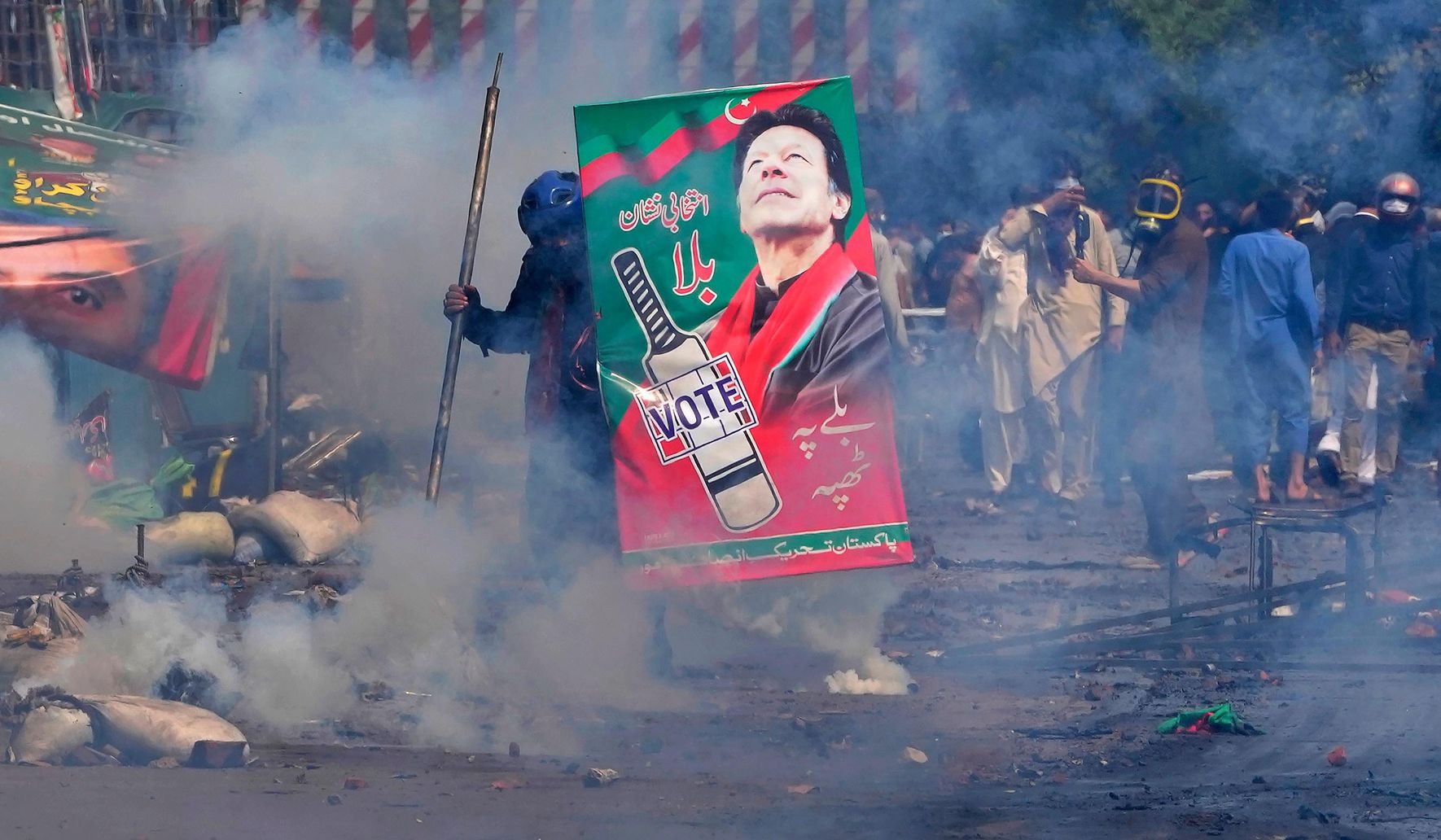
A court in Pakistan’s capital sentenced seven people to life in prison on Friday, including three journalists, two YouTubers and two retired army officers, after finding them guilty of inciting violence.
The judgment landed hard and fast in Pakistan’s capital, sending seven individuals to life behind bars on Friday. The group included three journalists, two YouTubers and two retired army officers, reflecting a mix of media figures and former security personnel. The court’s decision centers on charges that they played a role in provoking unrest, a charge that carries big legal and political consequences.
Officials framed the verdict as a matter of public safety and national stability, arguing the convicted individuals crossed a line from reporting and commentary into agitation. From a law and order standpoint, the state said it had to act to prevent chaos and protect citizens. That argument resonates with those who prioritize security and see strong responses to incitement as essential to maintaining order.
At the same time, the case immediately raised alarms among advocates for press freedom who viewed the sentences as heavy-handed. Journalists and digital creators operate in a gray zone where provocative speech and public debate overlap, and critics warned that sweeping punishments can chill necessary criticism. The tension between curbing incitement and preserving free expression is the core issue here.
The presence of retired military officers among the convicted complicates the picture politically and legally. When former servicemembers face criminal sentences, it touches nerves about the military’s role and how dissent is handled in public life. For observers who emphasize strong institutions, the case highlights how sensitive the balance is between discipline and accountability in a nation with a powerful security sector.
Digital platforms featured prominently, since two of the convicted were YouTubers known for online commentary. The rise of social media has created influential voices outside traditional newsrooms, and governments are still figuring out how to apply laws designed for older media to new formats. That uncertainty makes prosecutions in this space especially controversial and likely to draw attention from rights groups and international observers.
Legal experts noted that life sentences in cases tied to speech are unusual and will probably be scrutinized on appeal. Courts often have to weigh intent and direct causation when judging whether speech crosses into criminal incitement, and those finer legal points are likely to shape how the case moves forward. Appeals and procedural reviews could become a long slog, with implications for how similar cases are handled in the future.
Reactions inside the country were mixed, with some citizens welcoming a firm stance against what they saw as dangerous rhetoric, while others warned that the verdict could suppress legitimate debate. That split is familiar in societies wrestling with rising online influence and polarized politics. For people who prioritize security, however, the outcome underscores a simple idea: speech that sparks violence has real consequences.
The broader lesson emerging from the sentencing is that modern information channels and traditional legal frameworks are colliding. Governments must protect public order, but they also face pressure to respect free expression, especially for those in journalism and digital media. How Pakistan and other countries navigate these tensions will shape the power and limits of public speech in the years ahead.

