

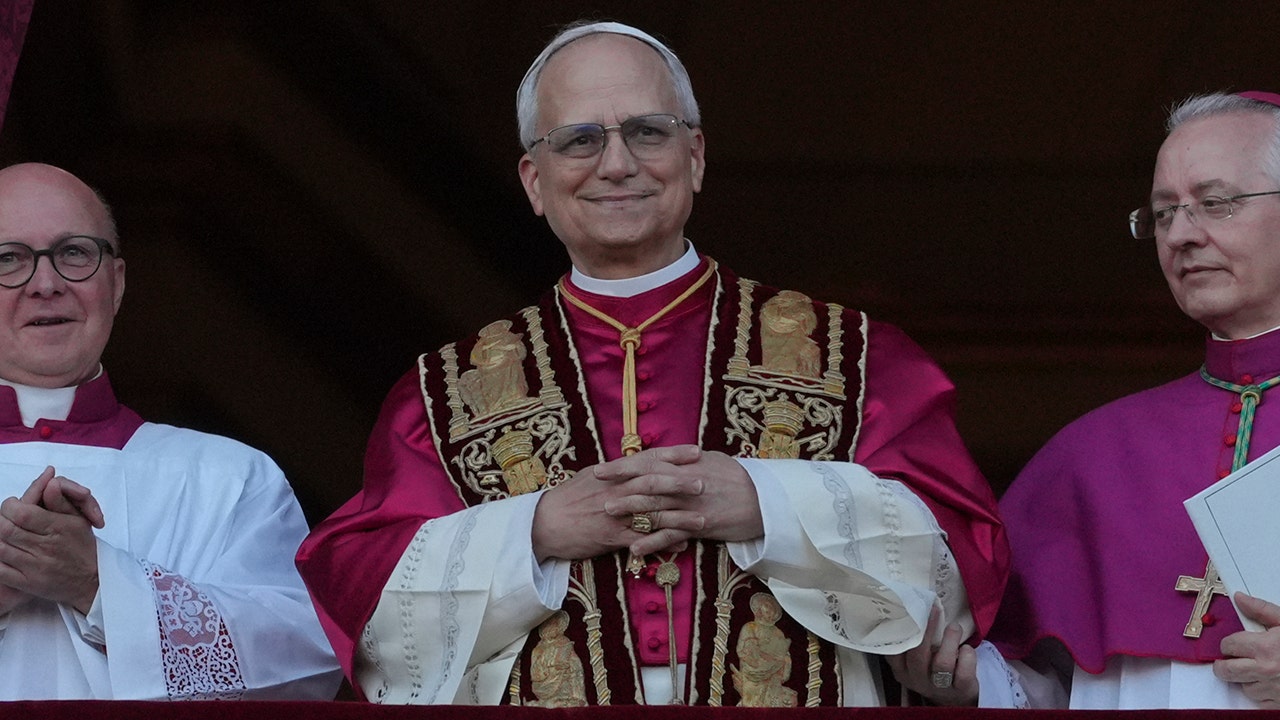
Pope Leo XIV has reaffirmed the Catholic Church’s longstanding stance on gender and marriage, emphasizing the belief in only two genders and that marriage is a union between a man and a woman. He has maintained that while gays and transgender individuals are welcome to worship, their actions are considered sinful, encouraging repentance. This position has drawn criticism from those who argue the Church is out of touch, yet it remains steadfast in its beliefs, which have anchored it since its inception.
Despite initial speculation that Pope Leo XIV might introduce progressive changes given his views on immigration and social justice, he has remained firm on traditional teachings. On May 16, 2025, he spoke to the Vatican’s diplomatic corps, reaffirming the family as “founded upon the stable union between a man and a woman.” This declaration underscores the Church’s unwavering commitment to the doctrine of biblical marriage, resisting the liberal tides that have swept through other faith communities.
Pope Leo XIV’s stance continues a legacy of consistency within the Church, with three successive popes upholding these core teachings despite varying leadership styles and global pressures. This continuity is not about personal preference but adherence to what the Church views as eternal truths. While the presentation of these teachings might evolve, the substance remains unchanged, reflecting a commitment to foundational beliefs.
Under Pope Benedict XVI, the Church’s position was solidified with the 2003 document on legal recognition of homosexual unions, approved by Pope John Paul II. It declared that respect for homosexual individuals does not equate to approval of homosexual behavior or legal recognition of such unions. The document argued that granting such recognition would obscure fundamental human values and undermine the family as society’s primary unit.
Pope Francis, known for his outreach, also maintained this doctrinal consistency through the 2019 document “Male and Female He Created Them,” which rejected gender theory while encouraging dialogue. It emphasized that biological sex determines gender identity, criticizing ideologies that impose themselves as absolute. The document maintained that there are fundamentally two genders, male and female, as God created.
Even when Pope Francis allowed blessings for same-sex couples, he imposed strict limitations, ensuring these blessings did not equate to marriage ceremonies. His final statement on the matter, “Dignitas Infinita,” condemned gender theory and sex-change surgeries, arguing they violate human dignity. He labeled gender theory as a significant danger, warning against erasing gender differences as it threatens humanity’s essence.
Pope Leo XIV’s early pronouncements suggest he will continue this tradition, rejecting the promotion of gender ideology as confusing and harmful. He stated that God created only man and woman, and distorting these natural ideas harms families and individuals. Nevertheless, he has also emphasized the importance of dialogue, urging the Church to build bridges and welcome all seeking charity, presence, and love.
Over the past 22 years, the Church’s teachings have consistently transcended individual papal preferences or cultural shifts. This consistency suggests that its positions on gender and marriage are grounded in unchanging theological principles rather than temporal attitudes. As Pope Leo XIV begins his papacy, he signals that while his approach may differ, the teachings guiding the Church for millennia will remain constant.
In his early days, Pope Leo XIV has already shown a commitment to these enduring teachings, balancing tradition with a call for outreach and dialogue. His stance indicates that while there may be shifts in tone or strategy, the core beliefs of the Church will not waver. This approach reflects a blend of steadfastness in doctrine with a pastoral sensitivity to modern challenges.
Pope Leo XIV’s emphasis on dialogue and love aligns with the teachings of his predecessors, reinforcing a message of compassion within the framework of traditional values. His approach aims to engage with the world while holding firm to the principles that have defined the Church. This strategy is seen as a way to navigate contemporary issues without compromising on essential doctrines.
The Church’s position on marriage and gender remains a point of contention in broader societal debates, yet its leaders continue to articulate these views with clarity and conviction. This articulation serves as a reminder of the Church’s role as a guardian of its teachings amidst a changing world. Pope Leo XIV’s leadership will likely continue to balance these dynamics, fostering dialogue while upholding core beliefs.
Observers note that Pope Leo XIV’s early messages reflect a dedication to the Church’s mission, emphasizing inclusivity without altering doctrinal positions. His leadership suggests a recognition of the need for engagement with diverse perspectives while maintaining theological integrity. This delicate balance is seen as essential in addressing the complexities of the modern era.
As the Church navigates these challenges, its consistency in teachings provides a sense of stability and identity for its followers. Pope Leo XIV’s reaffirmation of these teachings underscores the importance of tradition in guiding the Church’s path forward. His papacy will likely continue to reflect this commitment to both dialogue and doctrine.
In summary, Pope Leo XIV’s early actions indicate a continuation of the Church’s long-held beliefs on gender and marriage. His approach suggests an effort to engage with contemporary issues while maintaining a strong foundation in traditional values. This approach underscores the Church’s role in providing guidance and stability in a rapidly changing world.

