

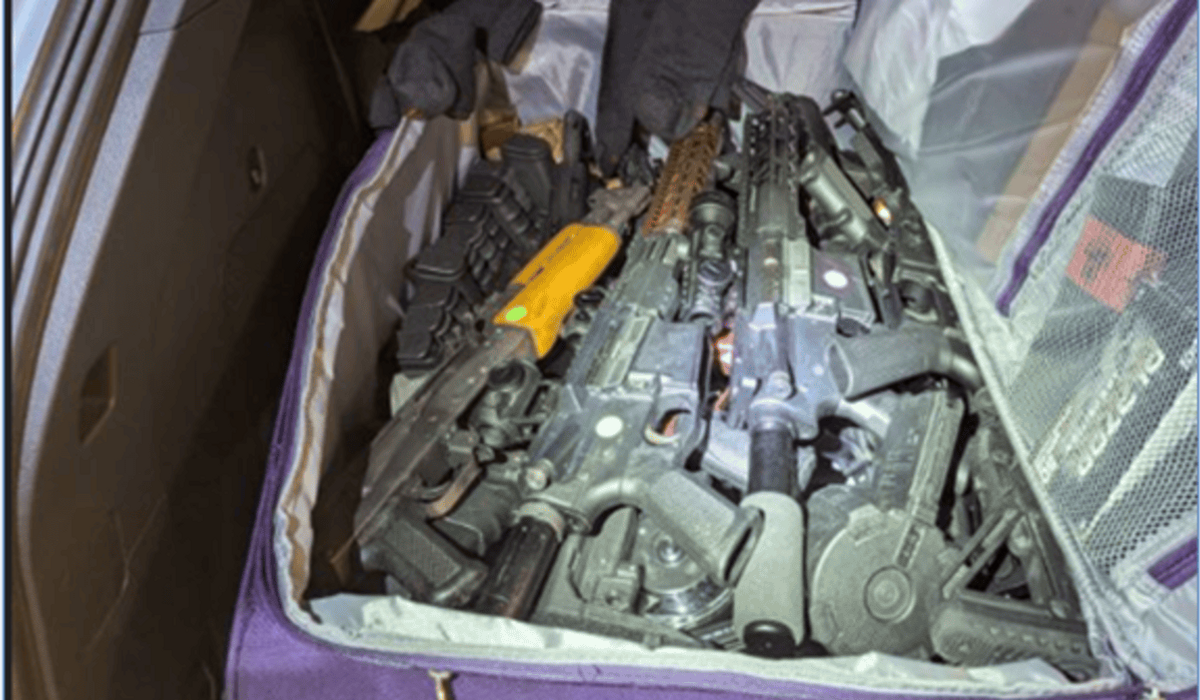
Federal prosecutors filed charges this week related to an alleged cross-border firearms operation, reporting arrests in New York and accusing suspects of sending weapons into Canada.
On Friday, federal prosecutors levied firearms-related charges against three men arrested in New York and accused of gunrunning into Canada. The announcement came from law enforcement sources handling a criminal case that focuses on weapons moving across the U.S.-Canada border. Authorities say the case exposes another link in a pattern of illegal trafficking that has drawn increased attention in recent years.
The charges reportedly involve allegations that the subjects arranged, purchased, or transported firearms intended for illegal transfer out of the United States. Prosecutors at the federal level typically pursue cases that cross state lines or international boundaries, and these aspects can elevate the severity of the accusations. Investigators often rely on a combination of surveillance, transactions records, and cooperation from local and federal agencies to build a case.
Cross-border gun movement into Canada has been a persistent concern for both American and Canadian officials, who warn that diverted firearms can fuel organized crime and violence across jurisdictions. Canadian law tends to be stricter on firearm ownership and importation, which creates demand that traffickers may exploit. Law enforcement responses usually involve partners on both sides of the border and sometimes international information sharing to trace weapons and disrupt distribution networks.
Federal prosecutions of alleged smugglers often involve multiple statutes, including those that prohibit the export of firearms without proper documentation and those that criminalize transactional schemes to evade background checks. When indictments are unsealed, they typically lay out alleged steps taken to acquire and move weapons, as well as any use of intermediaries or false paperwork. Defendants in such cases face a U.S. criminal justice process that can include detention, plea negotiations, and trial.
Beyond the courtroom, these cases highlight how supply chains for illegal arms can begin with domestic purchases and end with international distribution. Law enforcement officials say patterns sometimes include repeated small purchases to avoid suspicion, use of freight or private vehicles, and networks of intermediaries to mask the chain of custody. Understanding those patterns is central to disrupting the flow and preventing weapons from reaching criminal markets abroad.
The involvement of federal prosecutors indicates an intention to apply broad investigative tools and potential penalties under federal law. Agencies such as the Bureau of Alcohol, Tobacco, Firearms and Explosives, U.S. Customs and Border Protection, and the Department of Justice often coordinate these efforts. Local police departments may also play a role in the arrests and in collecting initial evidence that triggers deeper federal inquiries.
Public statements released in these situations are typically measured, outlining charges without delving into uncharged conduct or the full scope of the investigation. That approach preserves the integrity of the legal process and avoids compromising ongoing work to identify additional suspects or methods. Victims and community members are sometimes briefed through local officials when the authorities deem it appropriate for public safety.
The criminal justice timeline for federal cases can vary widely depending on complexity, available evidence, and cooperation from involved parties. Some matters resolve through guilty pleas and sentencing, while others proceed to trial with extensive discovery and testimony. Sentencing outcomes depend on federal guidelines, statutory maxima, and any mitigating or aggravating factors presented to the court.
Cases tied to cross-border trafficking often spur calls for increased enforcement and for policy changes aimed at reducing demand and tightening vulnerabilities in current systems. Policymakers and enforcement agencies sometimes respond with stepped-up inspections, targeted operations, and legislative proposals designed to close loopholes. Those conversations typically involve balancing enforcement priorities with civil liberties and lawful firearms ownership considerations.
Community impact can be significant when illegal firearms reach new markets, affecting public safety and straining law enforcement resources. Officials argue that breaking supply chains is a practical way to reduce violent crime in affected areas, while community groups often press for complementary strategies that include prevention and intervention. Successful prosecutions can serve as both a deterrent and a catalyst for further cooperative efforts across jurisdictions.
As the case moves forward, court filings and public court records will provide a clearer view of the evidence and the specific charges each defendant faces. For now, the announcement centers on the arrests and the central allegation of weapons being funneled into Canada. That focus puts the spotlight on cross-border enforcement challenges and the federal response to alleged international gun trafficking.

