

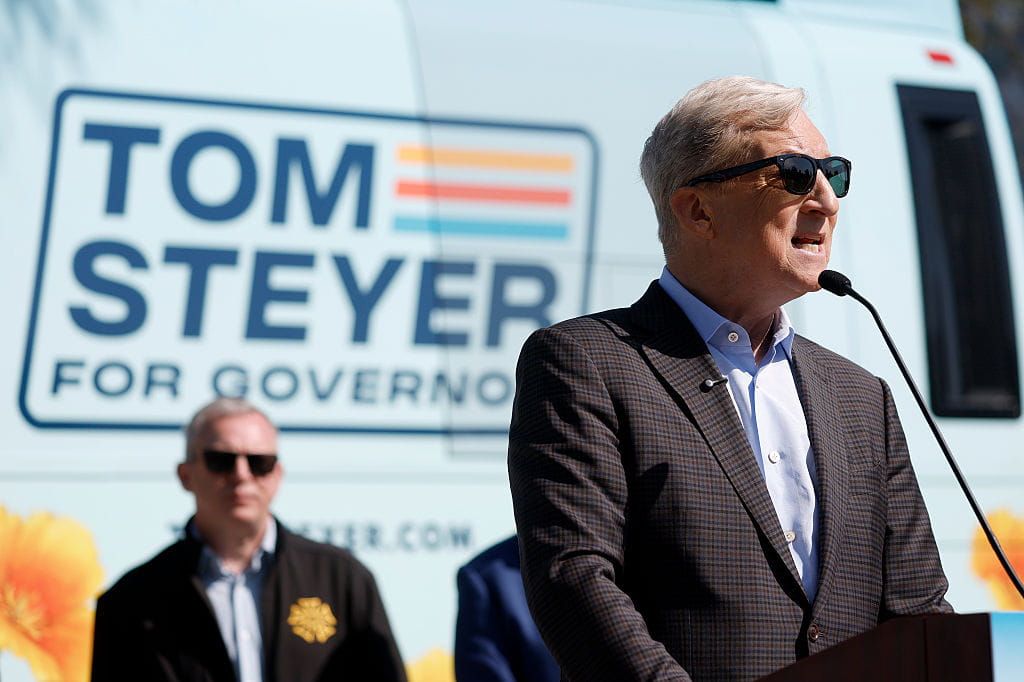
Tom Steyer’s campaign relies heavily on massive personal spending, and that spending raises questions about alignment with voter interests and campaign transparency.
Tom Steyer has become notable for financing his campaign with an extraordinary personal bankroll. He has poured tens if not hundreds of millions of dollars in his own money into media buys, staff, and outreach efforts that aim to convert voters who often distrust big-money influence.
That level of self-funding shapes how a campaign operates and how voters perceive it. When a candidate bankrolls their own run at such scale, it shifts attention from grassroots organizing to paid impressions and bought messaging, and that can create a different kind of relationship with the electorate.
Critics worry the investments behind the campaign conflict with the people Steyer tries to win over. Plenty of voters are skeptical of industries that wealthy donors depend on, and pointing to those investments invites scrutiny about whether policy positions are driven by conviction or by financial convenience.
Campaign money buys reach, not necessarily trust. Television spots and digital ads can flood inboxes and feeds, but they do not automatically translate into the kind of personal connection that wins primaries, especially when the candidate is seen as part of an elite class.
From a Republican perspective, there is a straightforward objection to this model: elections should reflect voters, not bank accounts. The concern is that allowing a single wealthy individual to dominate the conversation undermines the idea of competitive politics and gives an outsized platform to one voice.
Steyer’s approach also puts a spotlight on accountability. When a candidate invests massive sums, reporters and opponents look closer at past business decisions, board memberships, and financial relationships to test the coherence of policy stances.
That scrutiny can be revealing, and not always in a flattering way. Voters deserve to know whether a campaign’s policy priorities align with personal financial interests, and that line of questioning is fair and necessary in a robust democratic process.
There is also a practical side: heavy spending can backfire. A campaign that leans too hard on paid channels risks alienating volunteers and local activists who prefer face-to-face engagement and organic momentum.
On the other hand, money does buy a lot of operational advantages—data tools, staffing, and the ability to sustain a long media cycle. The trade-off is the perception that the campaign is manufactured rather than grown from community support.
Republican critics point out that the nomination process should test ideas and leadership through debate and voter contact, not through who can outspend the rest. The worry is that a money-first strategy short-circuits the normal vetting of candidates by the electorate.
Another angle is transparency. Large self-funded campaigns must be clear about where money comes from and what strings, if any, attach to donations or lingering corporate ties. Without that clarity, voters have to guess at motives instead of evaluating positions on their merits.
Finally, the larger consequence affects party dynamics. A candidate buying attention can change how other campaigns allocate resources, and it can pressure the party to respond to a media narrative that priorities money over message, altering the shape of a primary contest in ways voters did not intend.

