

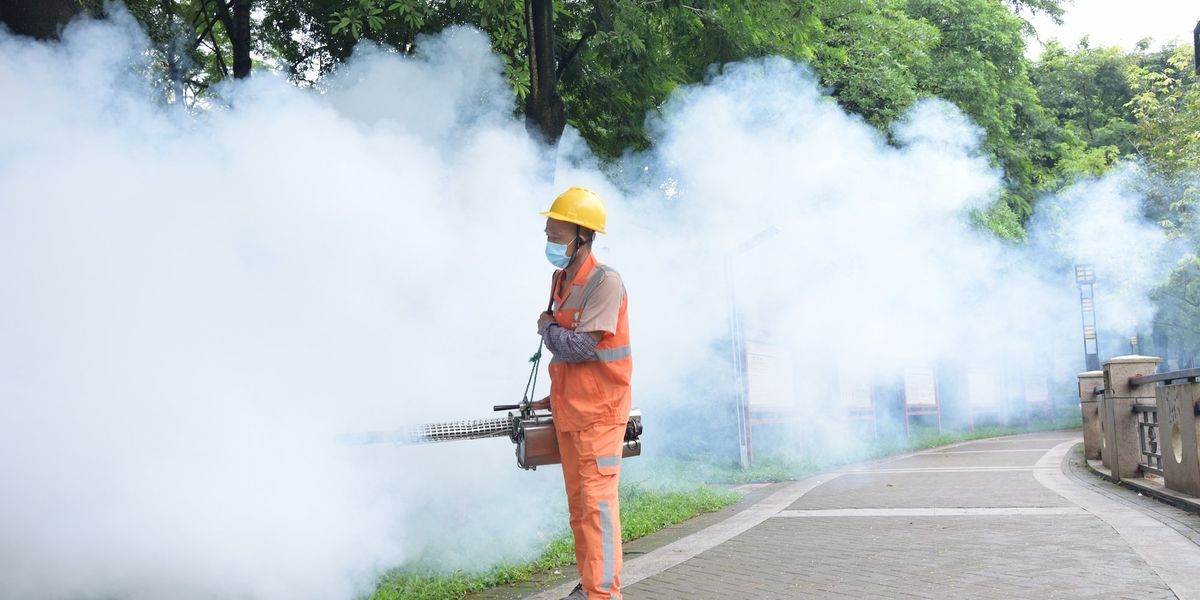
Concerns about another pandemic are growing as China deals with a significant outbreak of a mosquito-borne disease. In the southern city of Foshan, officials have reported around 7,000 cases of chikungunya, a disease that, while not usually deadly, can cause a great deal of pain. This situation has led to fears of a return to strict measures reminiscent of the zero COVID strategy, known for its intense surveillance and control measures.
In response, health authorities have launched a “patriotic public health campaign” to tackle the problem at its source. They’re using innovative methods like drones, mosquito-eating fish, and even “elephant mosquitoes” that prey on those carrying the disease. Residents have been urged to eliminate any standing water, which could serve as breeding grounds for these mosquitoes.
Some citizens have raised concerns about the enforcement of these measures. Reports have emerged of police cutting electricity to homes in the Guicheng subdistrict for not complying with the orders. On Rednote, a widely used app in China, residents have shared their grievances about what they perceive as heavy-handed tactics by the authorities.
The Aedes mosquito, responsible for spreading chikungunya, is also known to transmit dengue and Zika. These mosquitoes can breed in tiny amounts of water, such as that found in a bottle cap. While China hasn’t yet implemented the harshest quarantine measures, there’s a palpable fear that such steps might be on the horizon.
Health experts are wary of any approach that echoes the zero-COVID strategy. Yanzhong Huang, a global health expert, emphasized that this method involves “zero-tolerance, mass mobilization, and surveillance.” The specter of such measures looms large as the authorities continue to combat the disease.
This situation in China has caught international attention, with experts keeping a close watch on how it unfolds. The lessons learned from COVID-19 are fresh, and the world is wary of another widespread health crisis. The focus remains on controlling the mosquito population and preventing further spread of the disease.
Efforts to address the outbreak are ongoing, but the scale of the challenge is significant. The Chinese government is deploying every tool at its disposal to prevent the situation from spiraling out of control. Meanwhile, residents are urged to cooperate with the measures, despite the inconveniences they might bring.
The use of technology and innovative solutions in this public health campaign is noteworthy. By employing drones and biological control agents, authorities aim to tackle the problem efficiently. However, the balance between effective public health measures and individual freedoms remains a contentious issue.
The situation highlights the delicate nature of public health responses in densely populated areas. With a population as large as China’s, quick and decisive action is crucial to prevent a larger outbreak. Yet, ensuring public cooperation and avoiding panic is equally important.
As the world watches, the response to the chikungunya outbreak could serve as a blueprint for future public health challenges. The ability to adapt and implement effective measures is critical in preventing another pandemic. The stakes are high, and the need for a balanced approach is evident.
Residents of Foshan are living through uncertain times, with the fear of stricter measures hanging over them. The government’s actions in the coming days will be closely scrutinized both domestically and internationally. The hope is to avoid a repeat of the harsh lockdowns seen during the COVID-19 pandemic.
The chikungunya outbreak is a reminder of the ever-present threat of infectious diseases. Global health experts stress the importance of vigilance and preparedness in handling such crises. The lessons from this situation could inform global strategies for dealing with similar threats in the future.
As the situation evolves, the focus remains on containing the outbreak and preventing a wider spread. Health officials continue to work tirelessly to keep the disease in check. The cooperation of residents and effective public health campaigns are crucial in this effort.
Despite the challenges, there’s a sense of determination among health workers and authorities. The goal is to protect the population and prevent the disease from gaining a stronger foothold. The coming weeks will be critical in determining the success of these efforts.
The international community remains engaged, offering support and monitoring developments closely. The response in Foshan could provide valuable insights for dealing with mosquito-borne diseases elsewhere. The hope is to emerge from this crisis with a stronger, more resilient public health system.
In the face of adversity, the spirit of cooperation and innovation shines through. The challenges are significant, but so is the resolve to overcome them. The chikungunya outbreak is a test of both local and global health systems, and the world is watching closely.
As the story unfolds, the lessons learned will be crucial in shaping future responses to infectious diseases. The balance between public health and personal freedom will continue to be a topic of discussion. The world is keen to see how China navigates this complex situation.
For now, the focus remains on reducing mosquito populations and preventing further transmission. The efforts in Foshan are a testament to the resilience and adaptability of public health systems. The outcome of this situation will have implications beyond China’s borders, offering lessons for all.

