

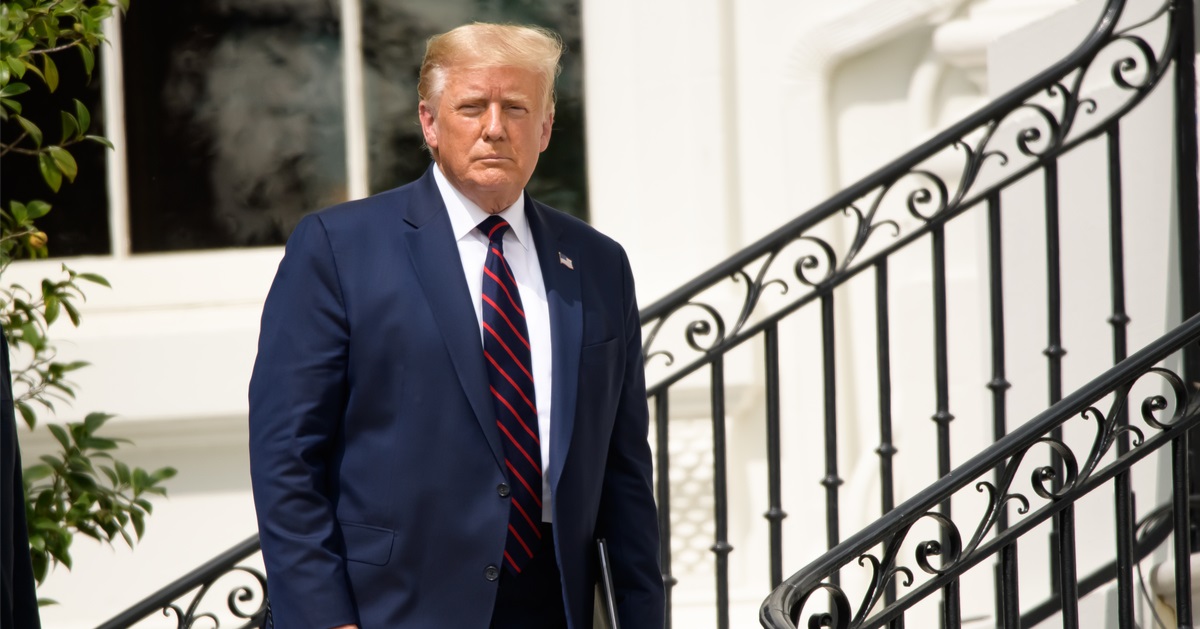
President Donald Trump stood by as Cambodia and Thailand signed an expanded ceasefire, a pact he says he helped broker during his Asia trip; the agreement, announced amid an ASEAN summit, was framed as a quick, decisive fix to a border conflict that displaced hundreds of thousands and cost dozens of lives.
Trump announced the development directly on social media and positioned it as a signature diplomatic achievement of his trip. Observers noted his active role in pushing both capitals toward a deal and in leveraging trade pressure to secure cooperation. The timing, coming while he was en route to Malaysia, underscored the public, theatrical nature of his diplomacy.
He made the announcement through a social post that captured the tone of his visit. He :
“I am on my way to #Malaysia, where I will sign the great Peace Deal, which I proudly brokered between #Cambodia and #Thailand. Sadly, the Queen Mother of Thailand has just passed away. I send my condolences to the Great People of Thailand. I will be seeing their wonderful Prime Minister when we land. In order to accommodate everyone for this major event, we will be signing the Peace Deal immediately upon arrival. See you soon! President DJT”
Press coverage filled in the mechanics behind the public announcement and credited pressure tactics as part of the push toward a ceasefire. One report said Trump warned of higher tariffs on both countries to prod them to end the violence that had produced large-scale displacement. That account places him in the room as Cambodian Prime Minister Hun Manet and Thai Prime Minister Anutin Charnvirakul formalized the expanded agreement at the ASEAN gathering.
The same news copy included a key operational detail about how the pact is supposed to work on the ground. It reports that “the agreement requires Thailand to release 18 Cambodian soldiers held prisoner and for both countries to begin removing heavy weapons from the border.” Those elements are central to turning a headline deal into a sustained reduction in hostilities.
Trump used the moment to cast himself as a problem solver and to lambaste international institutions he views as ineffective. He specifically took aim at the United Nations, arguing it should have stepped in and highlighting what he described as logistical snafus during his own visit. That critique fit a broader line he has used to argue the U.S. can deliver results where multilateral bodies falter.
“The United Nations should be doing this, but they don’t do it. They don’t do it. They turned off my teleprompter. When I made a speech, I had to make a speech without a teleprompter. They’re good at that. The escalator wasn’t working too well. It came to a complete halt.”
Those comments referred to on-site mishaps reported during his U.N. appearance, incidents his team suggested were deliberate though no independent confirmation has been published. Trump framed the deal as proof that American initiative, not international bureaucracy, produced a concrete outcome quickly and visibly. His message emphasized speed and the leverage of U.S. influence in regional affairs.
“But, I mean, the United Nations has such great potential. I wish they could do it. They didn’t get involved with us at all. We just did the deal and reported the deal, and everybody was sort of amazed that we got it done so quickly and so nicely.”
On the ground, officials said the immediate priorities are prisoner releases and withdrawal of heavy weapons, steps intended to reduce the risk of renewed clashes. If implemented, those moves could allow displaced families to return and relieve pressure on border communities that have borne the brunt of the fighting. Regional leaders will be watching compliance closely, because enforcement and follow-through will determine whether this turn in relations lasts.
For now, the pact stands as an example of high-stakes, personality-driven diplomacy in a region where stability matters to trade, migration, and security. Whether the agreement becomes a durable model for resolving similar disputes will depend on verification, mutual goodwill, and continued pressure from influential partners to keep both sides at the table.

