

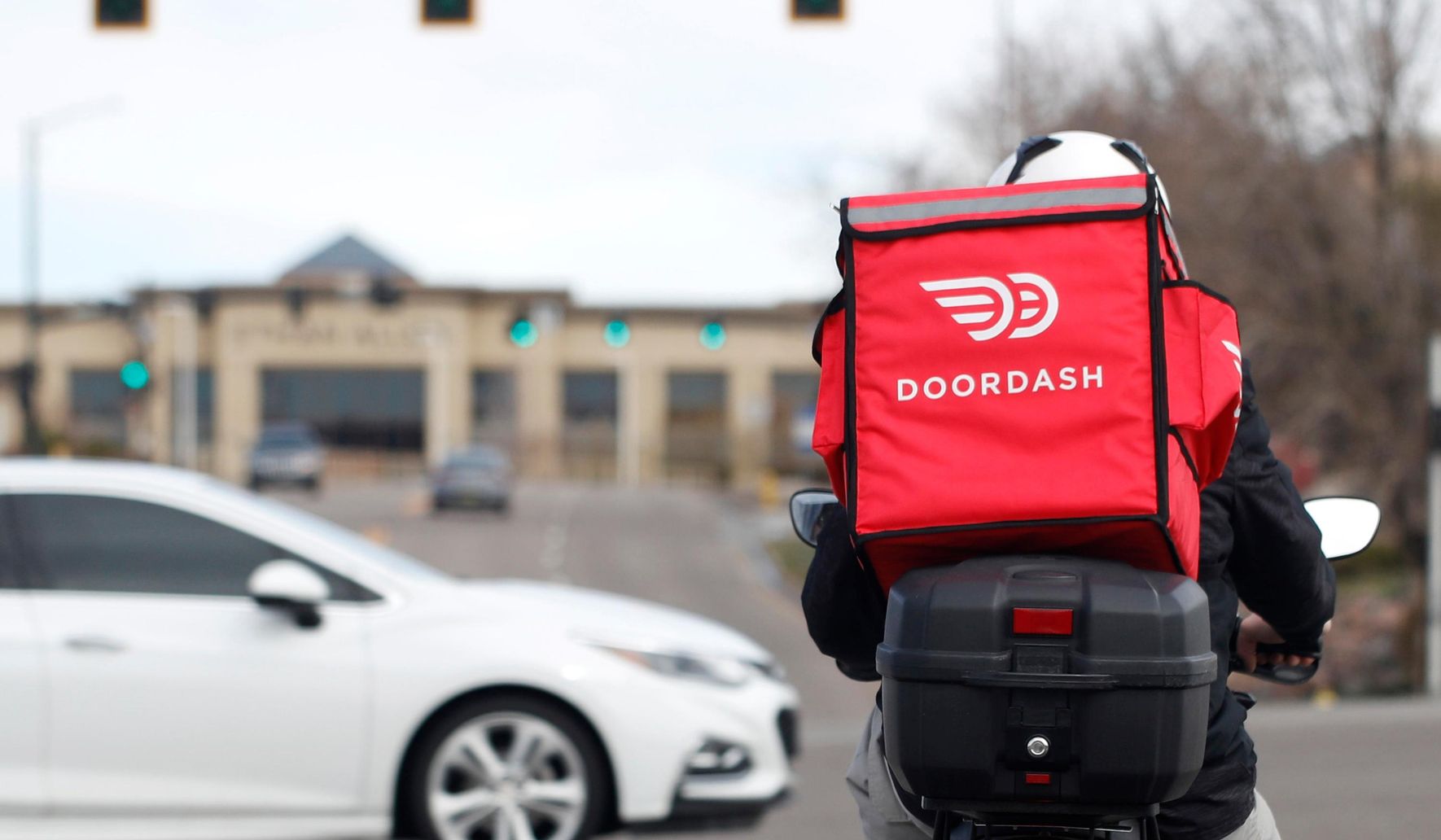
DoorDash has announced a rapid response aimed at keeping people fed as emergency federal food aid lapses, starting Saturday. This article outlines what the announcement says, how it connects to the broader aid gap, the likely operational challenges, who could be affected, and how communities and nonprofits may respond.
DoorDash is launching an “Emergency Food Response” as federal food aid is set to run out starting Saturday. The statement signals a private-sector intervention into a short-term crisis, and it arrives at a moment when many families rely on predictable support for groceries and meals. The timing matters because abrupt changes to aid programs can create immediate strain on food banks and community resources.
Private delivery platforms like DoorDash have the logistics to move food quickly, and the company’s move points to shifting expectations about who steps in during shortfalls. While a delivery app cannot replace the full reach of federal programs, it can serve as a bridge for people who find transportation, time, or access are barriers. That gap—between public assistance and on-demand private resources—is where this response is aimed.
Operationally, any Emergency Food Response faces predictable hurdles: sourcing adequate quantities, coordinating with local nonprofits, and reaching the most vulnerable households. Food banks and pantries often operate on thin margins and tight storage capacity, so sudden spikes in demand create pressure points across supply chains. Coordination with community groups will be essential if the effort is to move beyond a symbolic quick fix.
For families who depend on scheduled benefits, the sudden end of federal food aid can mean difficult choices about where to cut costs. Food insecurity does not always show up as hunger alone; it appears as skipped meals, cheaper and less nutritious options, and stress that affects work and school. Temporary programs can help offset immediate needs, but sustained stability typically requires predictable, long-term support systems.
Local officials and community leaders will need clear communication and realistic plans to handle any influx of need. Emergency responses work best when they plug into existing networks rather than operating in isolation, because those networks already know who needs help and how to reach them. If DoorDash links up with established food providers and shares resources and data safely, the response will have a better chance of getting meals to people who otherwise fall through the cracks.
There are also questions about equity and access: people without smartphones, reliable internet, or payment methods may not benefit from app-based solutions. Emergency distribution must consider alternative access points such as pop-up kitchens, community pickup sites, and partnerships with schools or faith organizations. Ensuring multiple ways to receive help will determine whether the response reaches the people most affected.
Short-term private initiatives are valuable when they act quickly, but they are not a substitute for comprehensive policy solutions. Long-term food security generally needs stable funding, predictable eligibility rules, and systems that scale with need. Still, in the immediate hours and days after federal aid runs out, any effective channel that prevents hunger and eases strain on families and front-line charities will matter.

