

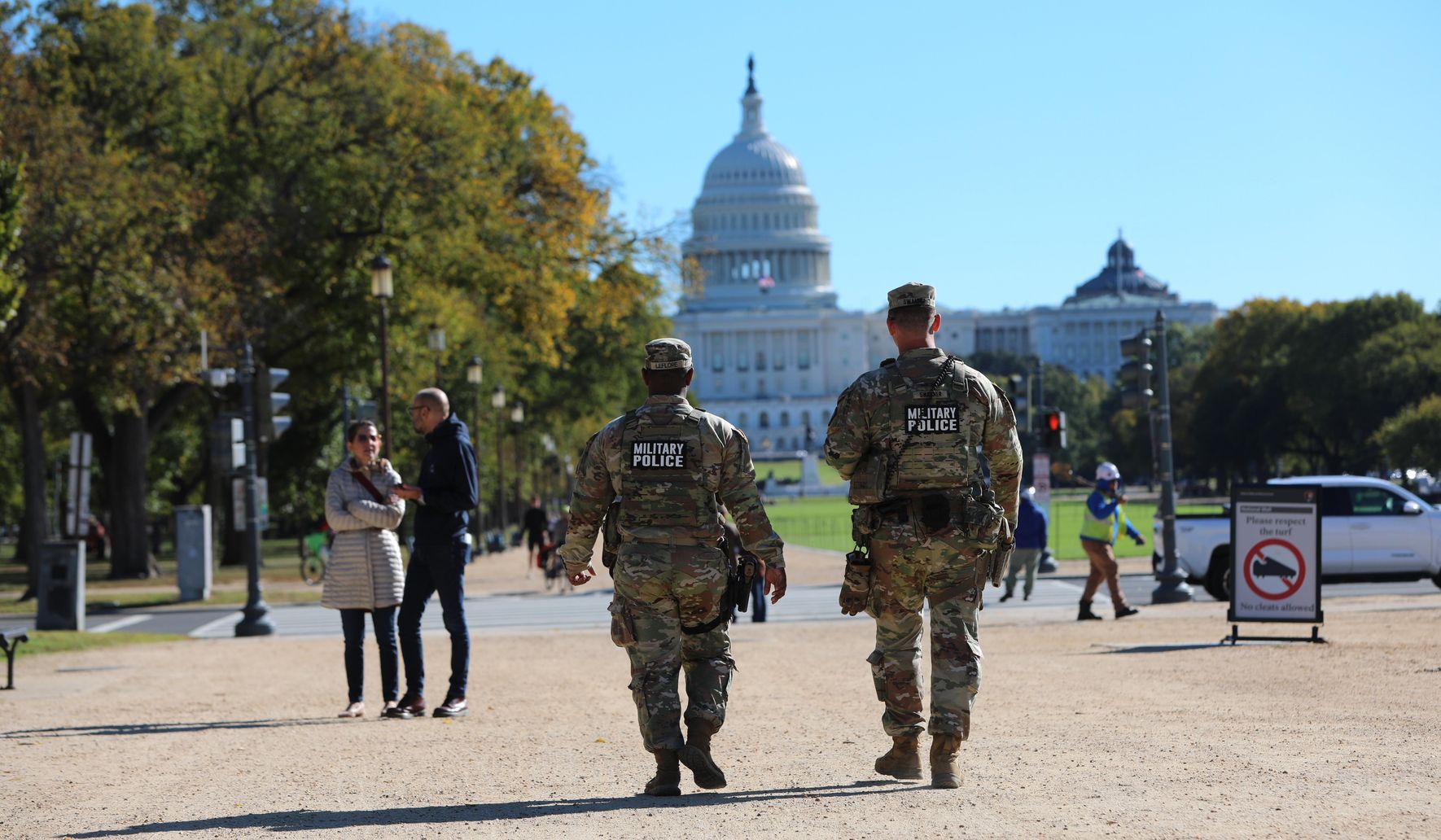
Federal officials have extended the National Guard deployment in the District through February, canceling plans for the roughly 2,400 troops to go home by the end of next month. This update changes the timeline and raises immediate questions about who decides security needs in the capital. The move has sparked debate over local control, civil liberties, and the cost of prolonged federal involvement.
For Republicans watching this unfold, the optics are troubling and the policy choices are worth hard scrutiny. We value strong, accountable responses to real threats, but long deployments without clear, public justification set a dangerous precedent. The question is whether extending troop presence is a measured safety step or an overreach that sidelines local authority.
Officials say the decision is about readiness and security. At the same time, residents and local leaders deserve a transparent explanation of criteria used to make the call. Without clarity, it looks like an open-ended security posture that could become normalized.
The roughly 2,400 figure matters because sustained deployments add up quickly in cost and consequence. Troop rotations, logistics, and support services carry a price that taxpayers bear, whether federal or local budgets pick up the tab. Accountability demands a line-item accounting of who is paying and why the original plan to end the deployment was reversed.
There are also practical questions about mission scope and rules of engagement. National Guard troops assist with security, but clarity about their exact duties is nonnegotiable if civil liberties are to be protected. People need assurance that their everyday freedoms won’t be compromised by an expanding, indefinite security presence.
Another angle is the impact on morale and readiness for the troops themselves. Guardsmen who expected to rotate home now face extended assignments that affect families and civilian careers. Leadership should explain how this shift balances operational necessity with the well-being of service members who are already stretched thin.
Local governance gets short shrift when federal officials make last-minute reversals on deployment schedules. Elected city leaders should have a central role in shaping on-the-ground security plans for their communities. Ignoring that principle risks alienating residents and undermining the legitimacy of the security effort.
Politically, the extension feeds into a larger narrative about federal power and the proper role of Washington in managing city affairs. Conservatives worry about mission creep and a slippery slope where temporary measures become permanent fixtures. The balance between protection and overreach is delicate, and this decision tests that balance in a visible way.
There’s also a transparency issue around the intelligence or threat assessments that led to this extension. If there’s specific, credible information prompting the change, it should be presented plainly and publicly. Hiding behind vague warnings only fuels suspicion and erodes trust between citizens and government.
Finally, taxpayers and citizens deserve a clear exit strategy. If the deployment is extended now, what benchmarks will guide a return to normalcy? Concrete milestones tied to measurable security indicators would make the extension defensible, while vague timelines leave open the possibility of a permanent presence without public buy-in.

