

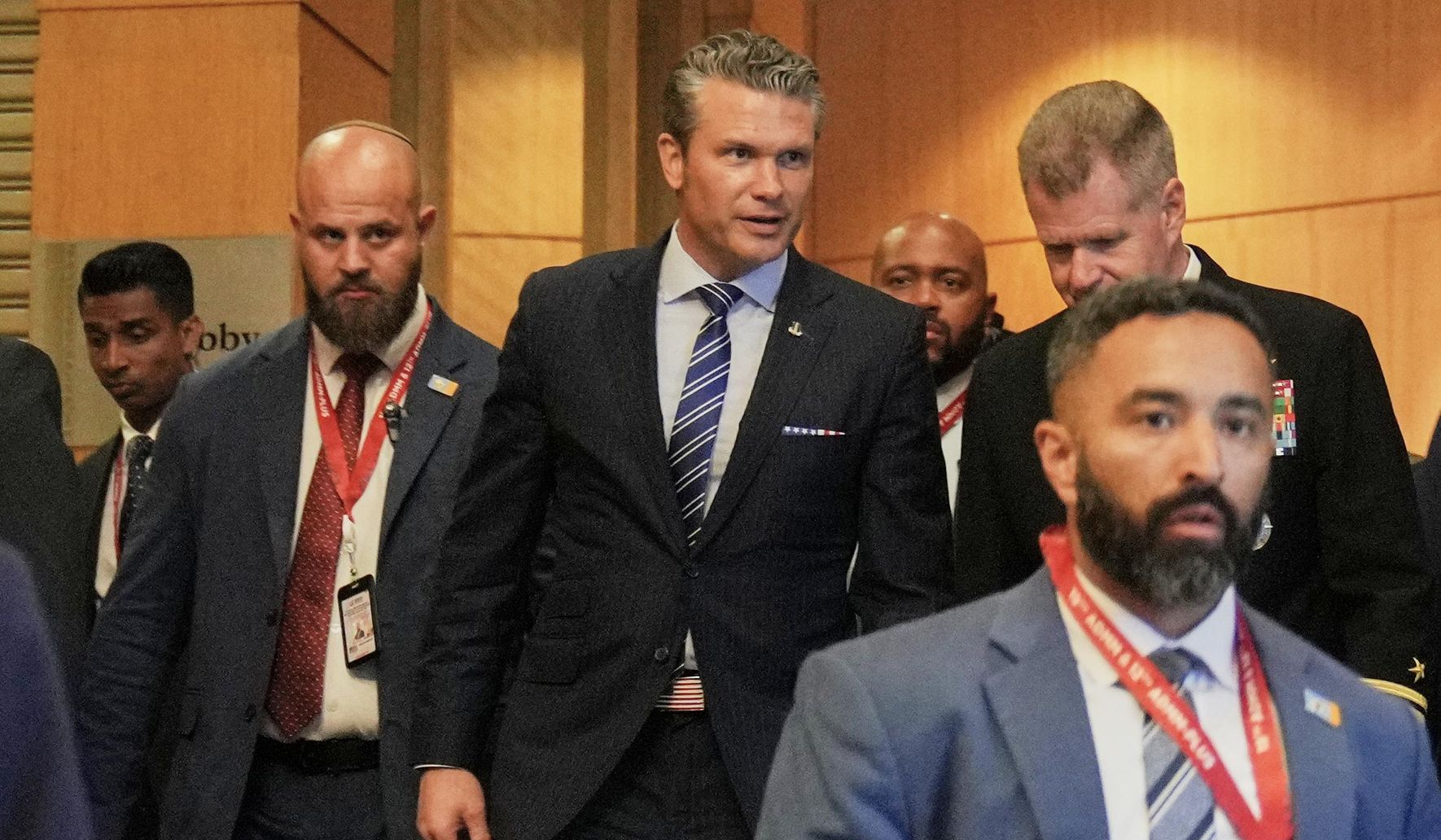
Defense Secretary Pete Hegseth voiced “serious concerns” about Chinese military activities in the region during his first face-to-face meeting Friday with his Chinese opposite number, and this article lays out what that means for U.S. defense posture, how Republicans view the interaction, and the likely effects on our alliances and deterrence strategy. The discussion here focuses on the significance of a direct meeting, the substance behind the phrase “serious concerns,” and realistic steps to preserve stability without softening U.S. resolve. The tone is straightforward and unapologetic about defending American interests and those of our partners in the region.
The fact that this was Hegseth’s first in-person encounter with his Chinese counterpart is important because it signals direct, high-level engagement at a sensitive moment. Saying the words “serious concerns” in that context communicates a clear red line in plain language rather than diplomatic hedging. Republicans see value in clarity when dealing with a strategic competitor that shows a pattern of assertive behavior.
When senior U.S. officials single out Chinese military activities, they are naming a set of behaviors that worry regional partners and U.S. planners alike. Those behaviors include more aggressive posturing, expanded deployments near disputed areas, and activity that raises the risk of miscalculation. The simple fact is that increased military activity elevates the chance for incidents that could pull the United States and allies into a dangerous confrontation.
The meeting itself served two purposes: it transmitted American concern directly, and it tested whether Beijing is willing to answer for its actions in person. Republicans argue that talking is useful only when it follows a posture of strength and clear consequences. A blunt, face-to-face exchange underlines that the United States will not ignore moves that threaten freedom of navigation and regional stability.
Allies and partners are watching closely, and their confidence depends on American consistency. Direct engagement combined with visible deterrence reassures friends in the region that the United States stands by security commitments. That reassurance is the currency of geopolitics; without it, partners may hedge or seek alternative arrangements that reduce U.S. influence.
From a domestic political perspective, Hegseth’s language satisfies a Republican preference for forthrightness and accountability. Voters who prioritize national defense want leaders who identify threats plainly and do not sugarcoat them. Saying “serious concerns” is not a tactic to escalate for its own sake, but a way to put Moscow or Beijing on notice that their actions are being counted and tracked.
On policy, the conservative stance favors strong forward presence, improved readiness, and deeper interoperability with allies rather than rhetorical concessions. That means investing in the forces and systems that deter coercion and ensure rapid, credible responses if deterrence fails. It also means leaning on multilateral frameworks and bilateral ties that amplify American influence without pulling us into avoidable conflicts.
Diplomacy remains part of the toolkit, but it is most effective when backed by capability and resolve on the ground and at sea. Face-to-face talks can reduce misunderstandings when both sides respect the limits set by credible military posture. The recent meeting showed that speaking plainly is a feature of Republican national security practice, and it set the stage for continued, careful scrutiny of Beijing’s next moves.
What happens next is not a mystery; officials will monitor behavior, brief partners, and calibrate posture to match evolving risks. The priority is to protect American interests, keep sea lanes open, and ensure that no unilateral action upends regional order. The choice before policymakers is straightforward: maintain deterrence and clarity, or invite instability through ambiguity.

