

This piece looks at a single, striking line and what it says about politics, the legal system, and elections. It unpacks how that remark fits into a larger story about opposition, resilience, and consequences for voters. The goal is to explain why the line matters to Republicans and to the country without getting lost in legal technicalities.
The remark cuts straight to the point of a larger narrative many conservatives accept: legal pressure was used as a political tool. The line is blunt about consequences and intent in a way most politician-speak never is. It forces a confrontation with the reality that legal fights shape who can run for office.
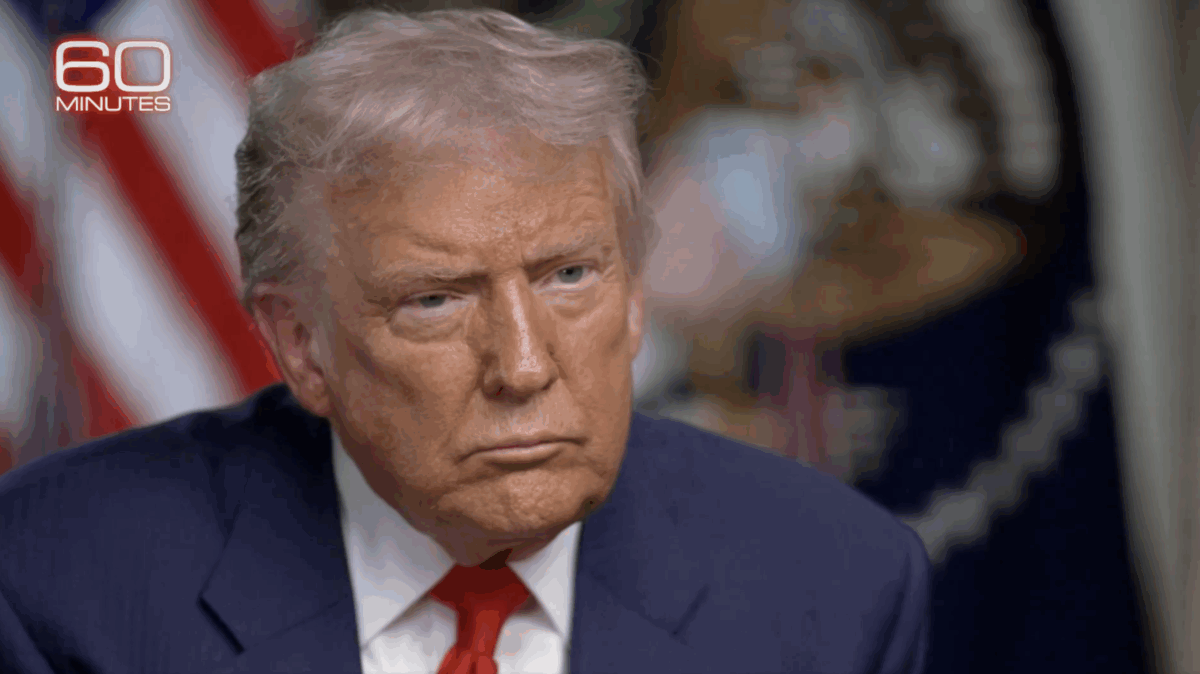
‘You’re looking at a man who was indicted many times, and I had to beat the rap. Otherwise I couldn’t have run for president.’ Those words are simple and unapologetic, and that matters because voters respond to clarity. They also highlight the stakes: if prosecutions can block candidacies, elections stop being free in any meaningful sense.
From a Republican perspective, this quote illustrates a broader concern about selective enforcement. When one side of the political aisle sees legal action as a campaigning tool, the result is predictable cynicism. The electorate loses trust in institutions meant to be impartial referees.
There is also a story of resiliency embedded in the remark that appeals to conservative voters. Facing repeated indictments and still emerging as a viable candidate reads as proof of political toughness. Many Republicans view that toughness as a necessary counterweight to a media and legal ecosystem they believe is biased.
On the legal front, the quote raises constitutional questions that go beyond one person. If indictment becomes a method to shape ballot access, then the legal system is influencing democracy in ways the founders never intended. Conservatives argue that this kind of influence requires reform and clearer protections for political participation.
Politically, the line has an unmistakable effect: it turns prosecutors into political actors in the eyes of many voters. That perception feeds into broader arguments about accountability and fairness. Republicans say the focus should be on equal treatment under the law, not on using legal rooms to wage political wars.
Campaign dynamics change too when a candidate frames legal losses as hollow victories for opponents. Sympathetic voters rally around perceived victims of overreach, and that dynamic can backfire on those who pushed legal actions. For Republicans, that narrative becomes a powerful mobilizer at the ballot box.
Media coverage plays a role in amplifying the line and its implications. Short, forceful quotes travel fast and shape public opinion quicker than complicated legal filings ever could. Conservatives often point to this speed as evidence that narrative, not justice, drives many prosecutions in high-profile cases.
There are policy angles that follow directly from the attitude expressed in the quote. Republicans propose stricter limits on partisan investigations and clearer standards for public corruption charges involving political figures. They argue such reforms would restore public trust and guard against using courts as political weapons.
Voters also react emotionally to a statement like this, and emotion matters in any election. The quote frames the candidate as someone who stood up to the system and won, a narrative that resonates with those who distrust entrenched institutions. For Republican audiences, that image is often more persuasive than legal nuance.
At the end of the day, the remark forces a question about the balance between accountability and political freedom. Conservatives insist that accountability must not become a pretext for removing choices from voters. The line is a concise reminder that how we handle prosecutions today shapes who can lead tomorrow.

