

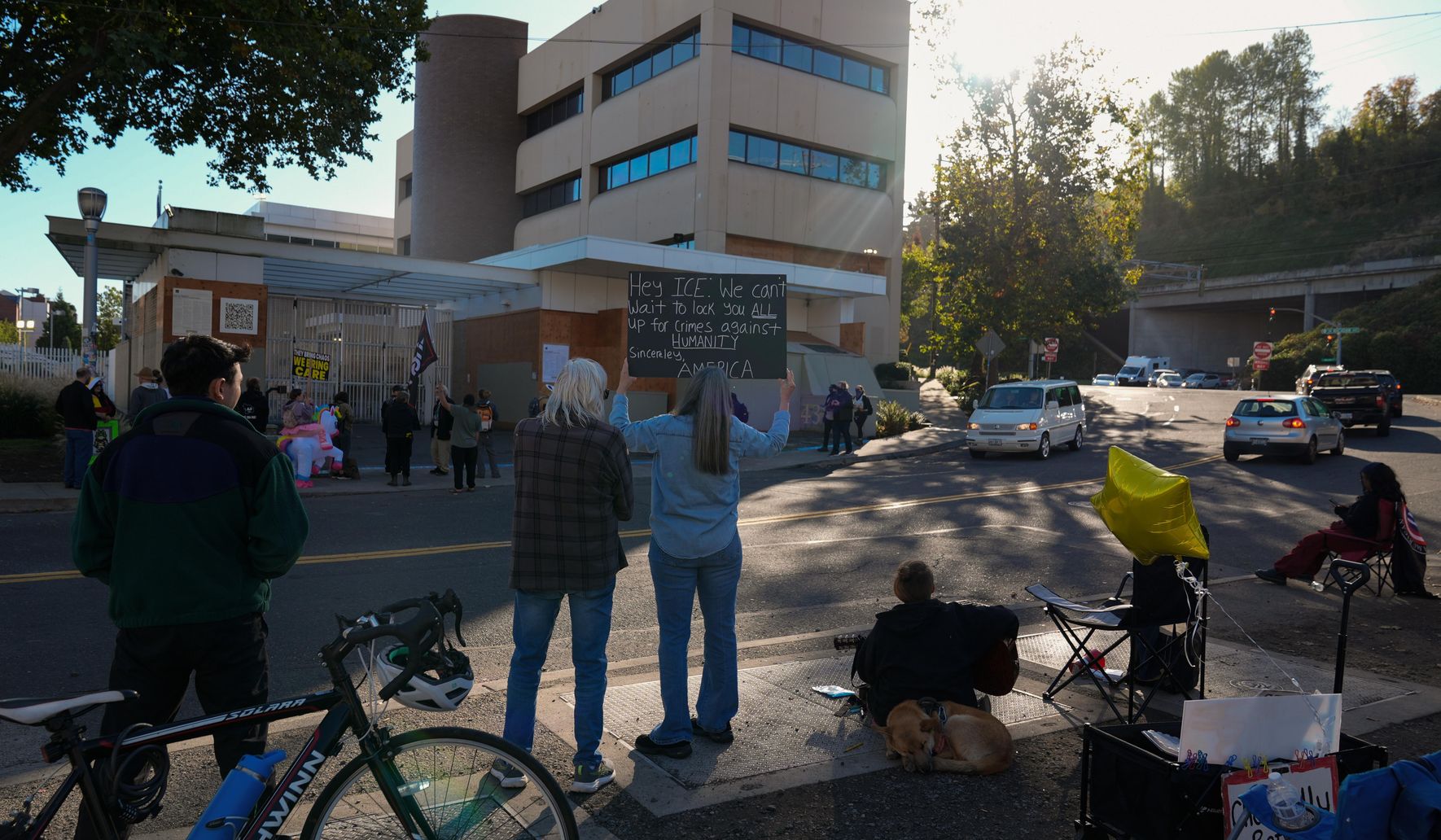
A federal judge in Oregon has extended a court order blocking President Trump’s plan to deploy the National Guard to Portland through Friday, a move that temporarily prevents federal reinforcements from entering the city. The ruling interrupts the administration’s effort to send troops to assist with unrest and public safety operations. This article explains the immediate legal outcome, the rationale on both sides, and the practical consequences for federal and local officials.
The judge’s extension stops the National Guard deployment for a short window, specifically until Friday, keeping federal Guard forces out of Portland for now. That decision directly conflicts with the Trump administration’s intention to move troops into the city to support public order. It interrupts an unfolding plan that was meant to reinforce federal and local responses to ongoing disturbances.
From a Republican perspective, the extension feels like judicial second-guessing of an executive branch determined to restore order. The president sought to use the Guard as a tool to protect federal property and ensure safety, which supporters view as squarely within presidential and federal authority. The court’s order, however, puts a temporary brake on that authority while legal questions are considered.
Legal counsel for opponents argued that deploying federal troops into a city raises constitutional and statutory concerns, which is why they sought the injunction. Courts often weigh whether harms are likely and whether judicial intervention is appropriate before operations proceed. The judge in Oregon decided more review was needed before the deployment could move forward, prompting the extension through Friday.
On the ground in Portland, the pause creates uncertainty for law enforcement coordination between federal and state actors. Local officials tasked with public safety must navigate an evolving situation without the promised boost of Guard personnel. That uncertainty can complicate planning for both routine policing and potential escalations of unrest.
Politically, the extension is a flashpoint. Republican officials argue that when cities face riots and attacks on federal sites, the federal government must have clear tools to respond. Critics counter that sending troops into American cities risks militarizing civilian space and undermining local governance. The judge’s decision amplifies that divide by keeping the Guard out while the courts decide where the law draws the line.
There are also practical limits to what the Guard can do even if deployed, since their legal authorities differ from those of federal law enforcement. Guard members typically operate under orders that emphasize support and coordination rather than independent policing powers. Any future deployment would require careful definition of missions, chains of command, and legal authorities to avoid overreach and confusion.
For the administration, the extension is a delay but not necessarily a final defeat. The government can seek further judicial review, appeal rulings, and adjust its legal strategy to address the concerns the court raised. Meanwhile, Republicans will press the argument that federal ability to act in defense of property and citizens should not be permanently constrained by temporary injunctions.
What happens after Friday will determine whether this becomes a brief procedural pause or the start of a longer legal showdown over federal power and local autonomy. The court’s temporary block buys time for legal arguments to be laid out more fully. Both sides will use the coming days to marshal legal resources and political messaging as the stakes remain high for public safety and constitutional authority.

