

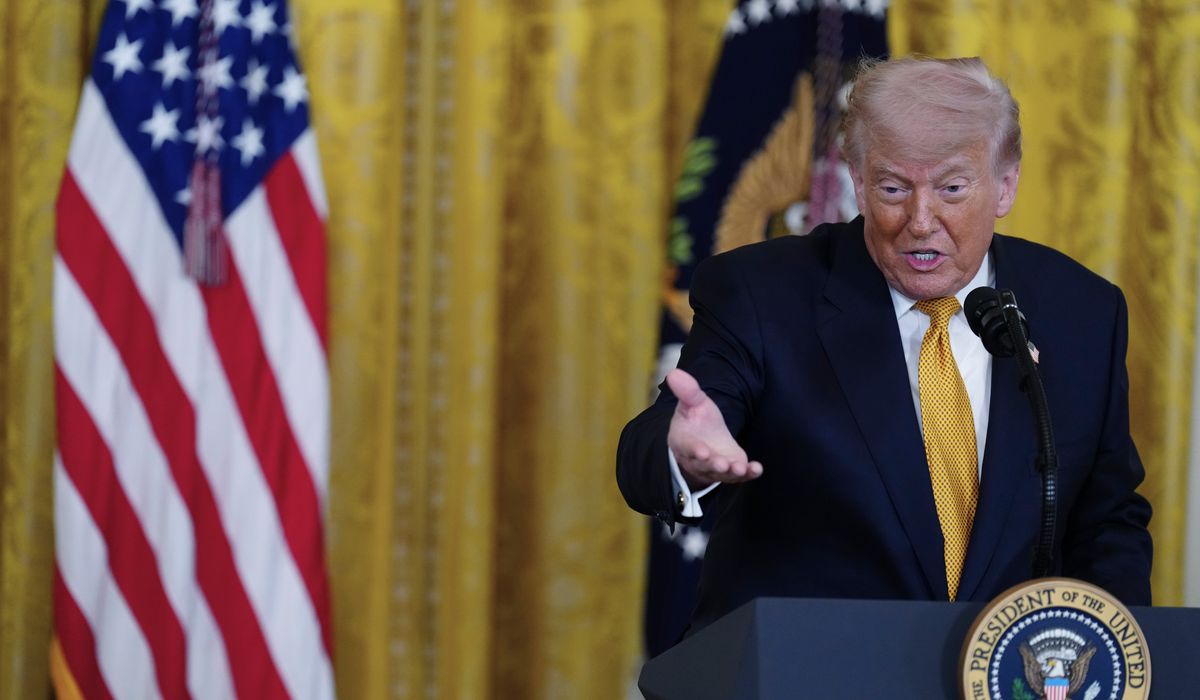
President Trump announced that the election integrity force Republicans deployed at polling places during the last presidential cycle will return for the 2026 midterms and will be scaled up.
President Trump made the announcement on Sunday, confirming that the GOP will redeploy the election integrity teams that worked at polling places in the previous presidential cycle. The plan is to expand their presence and capabilities for the 2026 midterm elections. Republicans say the goal is to protect ballots and restore voter confidence.
The original deployment proved to be a visible demonstration of party oversight at voting sites, with volunteers and legal observers reporting irregularities and assisting voters. Supporters argue those teams helped deter bad actors and ensured more transparent procedures on Election Day. The new effort promises broader geographic coverage and a larger volunteer base.
Republican leaders emphasize practical goals: monitor polling locations, document problems, and provide immediate legal support when needed. They describe the force as a rapid-response layer that complements local election officials rather than replaces them. In many precincts, that kind of on-the-ground presence can highlight issues that might otherwise go unaddressed.
Organizers plan to expand training to improve consistency and legal compliance among observers and volunteers. Training will focus on rules at the polls, how to document incidents, and how to avoid interfering with voting. The idea is to create a professionalized network that can operate under pressure while staying within legal boundaries.
The expanded effort will likely include a larger legal-team pipeline ready to respond to problems flagged at polling locations. That means quicker interventions when chain-of-custody questions or equipment failures arise, and faster escalation to courts if necessary. Republican strategists say the quicker response times will reduce the chance for disputes to fester into broken chains of evidence.
Technology will play a role but will not replace boots on the ground, according to those involved. Secure reporting apps, photo documentation, and centralized communication hubs are expected to coordinate observers across precincts. Advocates believe this mix of technology and human presence will make oversight more reliable and defensible in court.
Coordination with state and local election officials is being touted as a priority, even as Republicans expand their footprint. Organizers insist they will work within existing laws and notify local authorities before deployments. That cooperation aims to minimize friction and maintain the focus on protecting voter access and ballot integrity.
Critics have raised concerns about potential intimidation or confusion at polling sites, but supporters counter that clear rules and robust training can prevent those issues. The expanded force will include compliance checks to ensure volunteers do not obstruct voters or violate local regulations. Republicans argue disciplined teams reduce the risk of chaotic confrontations while increasing transparency.
Funding and logistics are being laid out now to support the larger mission in 2026, with plans for a nationwide volunteer recruitment campaign and regional command centers. Organizers expect to mobilize experienced personnel who understand election law and on-site protocols. The campaign-style operation aims to keep teams ready during the long, staggered schedule of midterm voting in many states.
Legal preparedness is a core element, with plans to have attorneys on call and ready to act in multiple jurisdictions. That legal backbone is meant to protect both voters and observers, ensuring that documented problems translate into clear, actionable steps. Republicans say a faster, better-run legal response will make the system more accountable and less vulnerable to misconduct.
For many Republicans, the expanded election integrity force represents a straightforward response to concerns raised after the last cycle: increase oversight, prevent mishandling, and make sure every legal vote counts. The new deployment reflects a party-level commitment to election security and a belief that active, trained observers are part of a modern voting ecosystem. Organizers expect the larger, more coordinated effort to be a defining element of Republican operations in the 2026 midterms.

